



18:20 CET
Gaza war
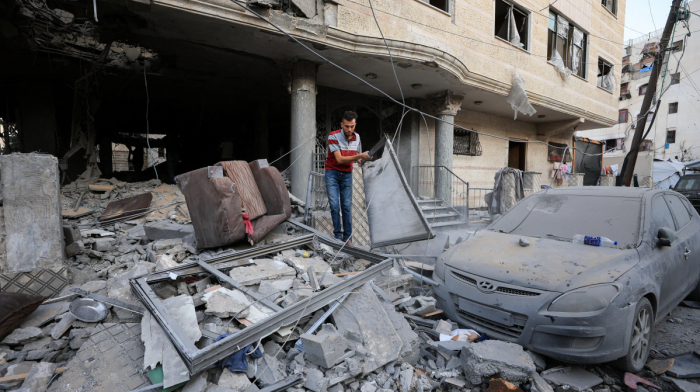
Israeli strike kills five in Gaza, including four women, health officials say
An Israeli air...
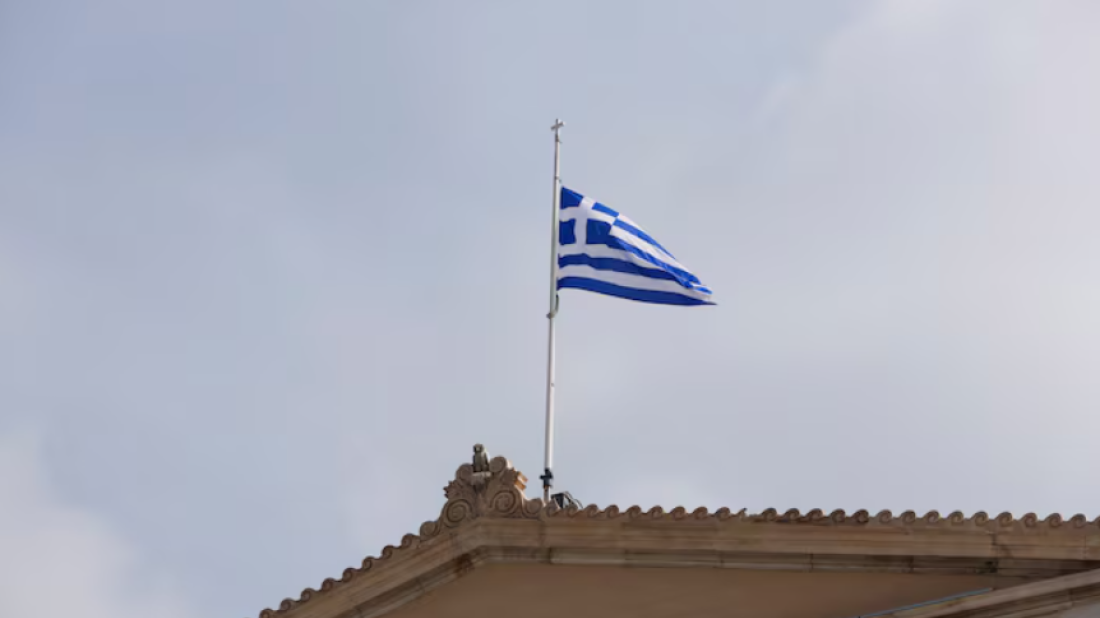


Greece plans to invest €25 billion in a sweeping multi-year defence strategy, Prime Minister Kyriakos Mitsotakis told parliament on Wednesday, marking a major step in modernising the country’s armed forces and reinforcing its strategic posture amid regional tensions and global uncertainty.
Greek Prime Minister Kyriakos Mitsotakis announced on Wednesday that the country plans to invest €25 billion ($26.99 billion) as part of a multi-year defence strategy aimed at modernising its armed forces and reinforcing national sovereignty.
Speaking to parliament, Mitsotakis emphasized that the investment marks a new era for Greece as it continues to recover from the severe economic crisis of 2009–2018 and seeks to maintain strategic parity with long-time rival Turkey.
According to officials familiar with the plan, the defence initiative will run through 2036 and includes major procurement and development projects such as new submarines, air and naval drones, underwater surveillance systems, and a national communications satellite. A key component of the plan is the creation of an integrated air- and drone-defence system known as the "Achilles Shield."
Mitsotakis stressed that while defence spending is a vital investment in Greece’s sovereignty, fiscal responsibility must remain a priority—especially as the European Union weighs increasing its own military spending amid global instability.
Greece, a member of both the EU and NATO, already allocates around 3% of its GDP to defence—nearly double the EU average. The commitment comes as the bloc faces mounting pressure to strengthen its security posture amid concerns over the reliability of its longstanding alliance with the United States.
The prime minister also addressed rising global economic tensions, warning that sweeping reciprocal tariffs—expected to be announced by U.S. President Donald Trump—could pose significant challenges for Europe’s economic relations and overall stability.

An Israeli air...
The co-...

A major bridge across the Dnipro river in Kyiv was hit in a Russian air attack on Saturday, the city's mayor, Vitali Klitschko said, as strikes...

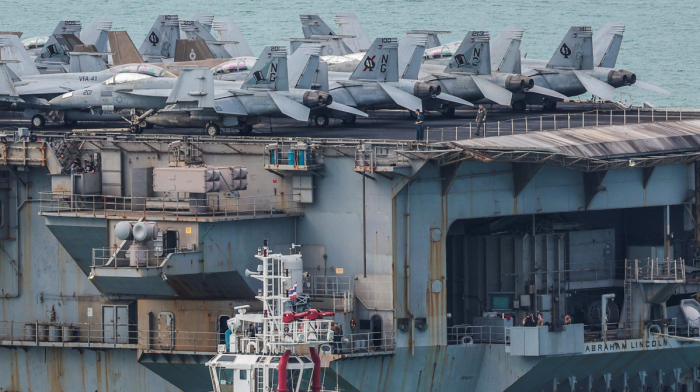
Yemen's air force carried out 20 strikes on Houthi targets earlier on Friday, Brigadier General Majid Abdullah Al-Nuzaili, Spokesman for the Yemeni Armed Forces, said. Meanwhile, the Iran-backed Houthis denied targeting a power plant supplying energy to a mosque in Medina, Saudi Arabia.

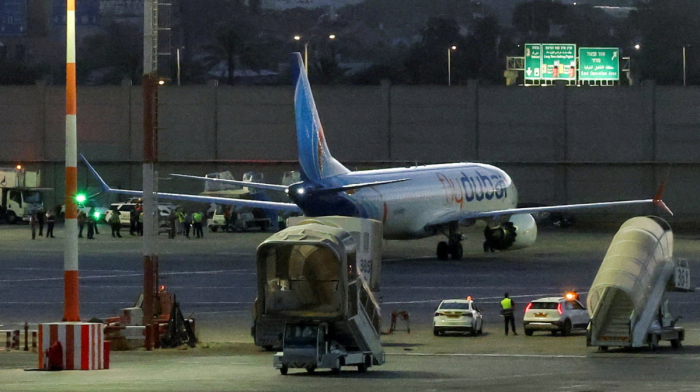
Hammam al-Hammami, the Flydubai co-pilot accused of stabbing the captain of an Israel-bound flight on Wednesday in a suspected terrorist attack, was banned from flying by Oman over concerns about his radical views, U.S. media reported on Friday, citing people familiar with the matter.
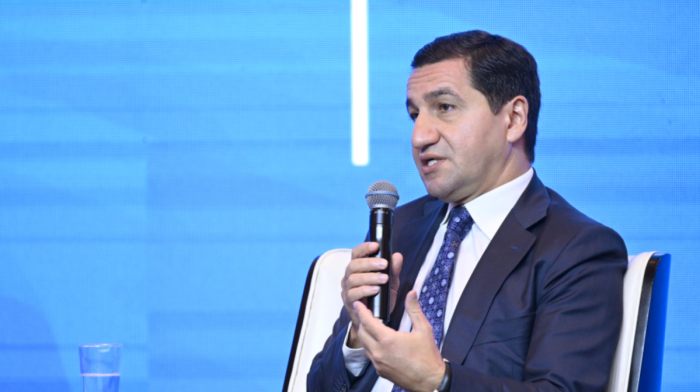
Azerbaijan and Armenia will sign a final peace agreement once Armenia amends its constitution to remove territorial claims against Azerbaijan, Hikmat Hajiyev, Assistant to Azerbaijan’s President Ilham Aliyev, has said.
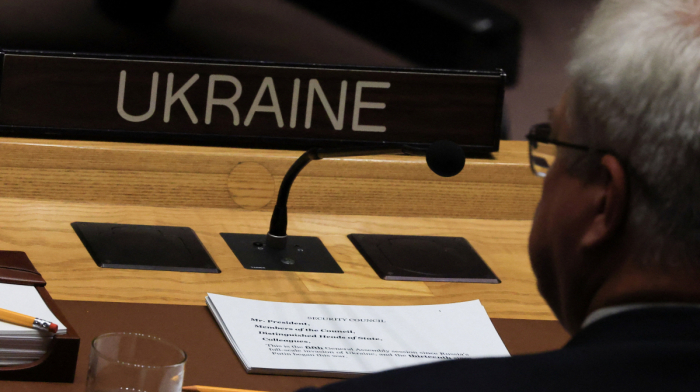
Ukraine is working to resolve a diplomatic dispute with South Korea after Kyiv publicly disclosed the transfer of two North Korean prisoners of war to Seoul, Ukrainian Foreign Minister Andrii Sybiha said on Thursday, 1 October.
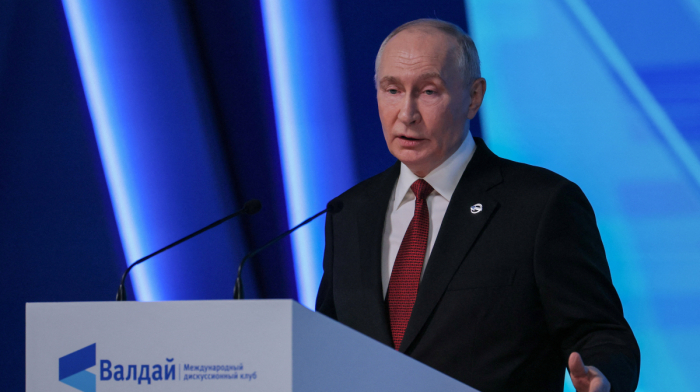
Russian President Vladimir Putin said on Thursday that Moscow wanted to end the war in Ukraine through negotiations as soon as possible, while insisting that any settlement must meet conditions acceptable to Russia and include security guarantees.
A major bridge across the Dnipro river in Kyiv was hit in a Russian air attack on Saturday, the city's mayor, Vitali Klitschko said, as strikes on the capital's infrastructure continue.
Hammam al-Hammami, the Flydubai co-pilot accused of stabbing the captain of an Israel-bound flight on Wednesday in a suspected terrorist attack, was banned from flying by Oman over concerns about his radical views, U.S. media reported on Friday, citing people familiar with the matter.

A U.S. federal appeals court has temporarily halted Minnesota’s ban on AI-generated fake nude images after Elon Musk’s xAI challenged the law as unconstitutional.

Two Iranian nationals have been charged in Britain with preparing a suspected terrorist attack targeting the Jewish community in northern England, police said on Friday (2 October).
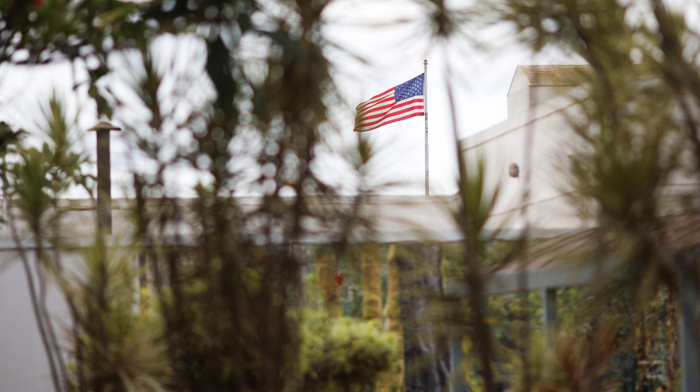
The United States suspended consular services at its embassy and consulates in Brazil on Friday over unspecified security concerns, prompting Australia to close its embassy in Brasília two days before the country's presidential election.
You can download the AnewZ application from Play Store and the App Store.




What is your opinion on this topic?
Leave the first comment