live Russian strikes kill at least 1 in northeast Ukraine
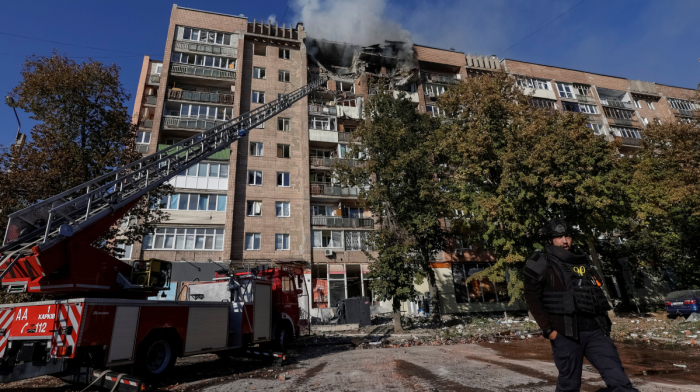
Overnight Russian strikes on the city of Sumy, northeast Ukraine, have killed one woman and injured a man, the country's State Emergency Servic...
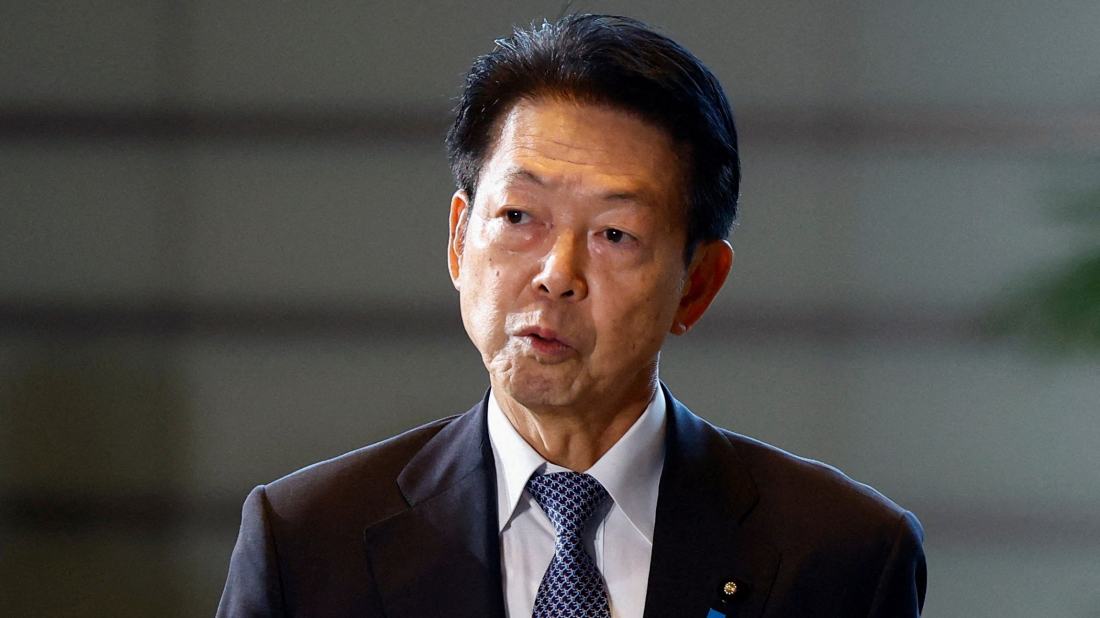
South Korea, China, and Japan held their first economic dialogue in five years on Sunday, aiming to strengthen regional trade cooperation amid growing concerns over U.S. tariffs under President Donald Trump.
The three Asian export powers agreed to “closely cooperate for comprehensive and high-level” negotiations toward a South Korea-Japan-China free trade agreement. The goal is to promote regional and global trade, according to a statement released after the meeting.
South Korean Trade Minister Ahn Duk-geun emphasized the importance of enhancing the implementation of the Regional Comprehensive Economic Partnership (RCEP), which all three countries participate in. He also called for creating a framework to expand trade cooperation through trilateral FTA negotiations.
The meeting comes ahead of Trump’s upcoming announcement of further tariffs, which he refers to as “liberation day.” These measures are expected to impact Washington’s trading partners, including Seoul, Beijing, and Tokyo.
Despite their common interest in boosting trade, the three countries have faced tensions over various issues, including territorial disputes and Japan’s release of wastewater from the Fukushima nuclear power plant.
The countries have made little progress on a trilateral free-trade deal since talks began in 2012. RCEP, which went into effect in 2022, aims to lower trade barriers among 15 Asia-Pacific nations.
Trump’s recent decision to impose 25% import tariffs on cars and auto parts has raised concerns, particularly for Asian automakers who are among the largest vehicle exporters to the U.S. After Mexico, South Korea is the world’s largest exporter of vehicles to the United States, followed by Japan.
The ministers agreed to hold their next meeting in Japan, as discussions continue on how to navigate shifting trade dynamics and strengthen regional economic cooperation.

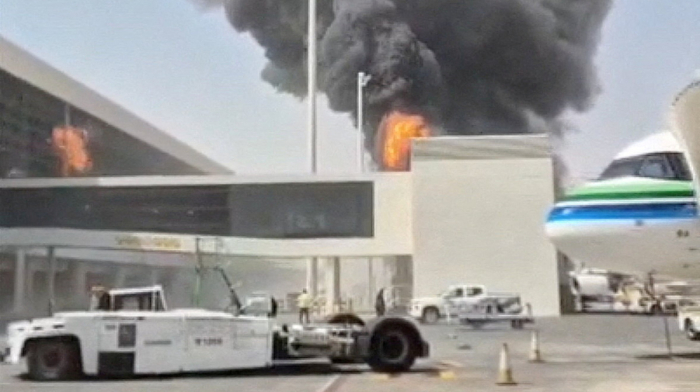
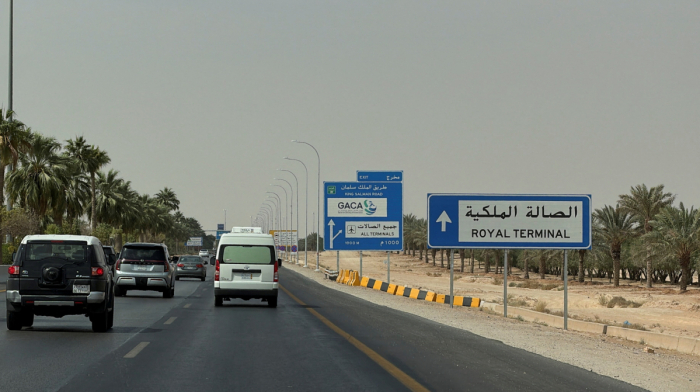
Saudi civil defence sent an all-clear on Saturday after issuing alerts for a second time for potential danger in Riyadh and the city of Al-Kharj east of the capital, amid an uptick in attacks by Iran-aligned Houthis on the Gulf country.
Houthi attacks target Riyadh amid concerns over Saudi oil supplies, as Iran says it will not reopen the Strait of Hormuz until its conditions are met and U.S. commitments are implemented, parliament speaker Mohammad Bagher Ghalibaf said on Sunday.
The U.S. State Department approved a $2.7 billion military sale to Ukraine for air-defence development upgrades, along with related equipment and services, the department said. Meanwhile, Ukrainian authorities reported at least 10 people had died in Russian attacks over the last 24 hours.
The death toll from an overnight Russian attack on the Kyiv region rose to four, including three children, Kyiv regional authorities said on Sunday. A mother and her two 3-year-old children were killed when a Russian drone strike hit a private home, the emergency service said.
Russian authorities have reported attacks on voting systems and communication lines as the country’s parliamentary election entered its second day on Saturday (19 September).
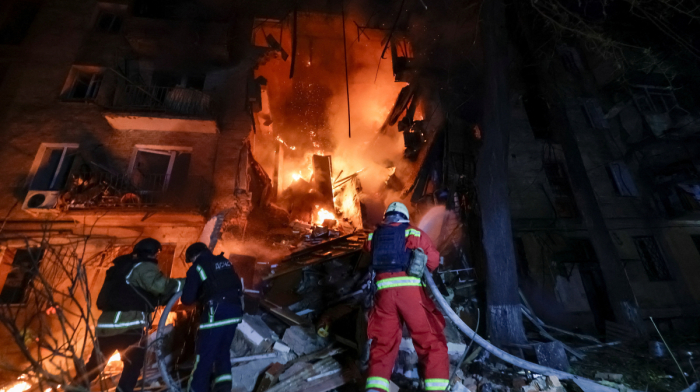
Overnight Russian strikes on the city of Sumy, northeast Ukraine, have killed one woman and injured a man, the country's State Emergency Service has said.
The administration of U.S. President Donald Trump has prepared sanctions targeting the entire International Criminal Court (ICC) and could announce them soon, escalating Washington's efforts to pressure the global tribunal.
French President Emmanuel Macron and Canadian Prime Minister Mark Carney pledged closer ties on Sunday as they sought to strengthen cooperation on geopolitical tensions, climate change, energy and the protection of democratic values.
The Left Party won Sunday's Berlin state election with 25.5 per cent of the vote in the preliminary result, ahead of the Christian Democrats (CDU) on 19.1 per cent. This marks a major shift in the city's political landscape and a setback for Chancellor Friedrich Merz's ruling coalition.
German voters cast ballots on Sunday in two state elections that could add to the political pressure on Chancellor Friedrich Merz, as his government faces growing public frustration and a resurgent far right.
You can download the AnewZ application from Play Store and the App Store.
What is your opinion on this topic?
Leave the first comment