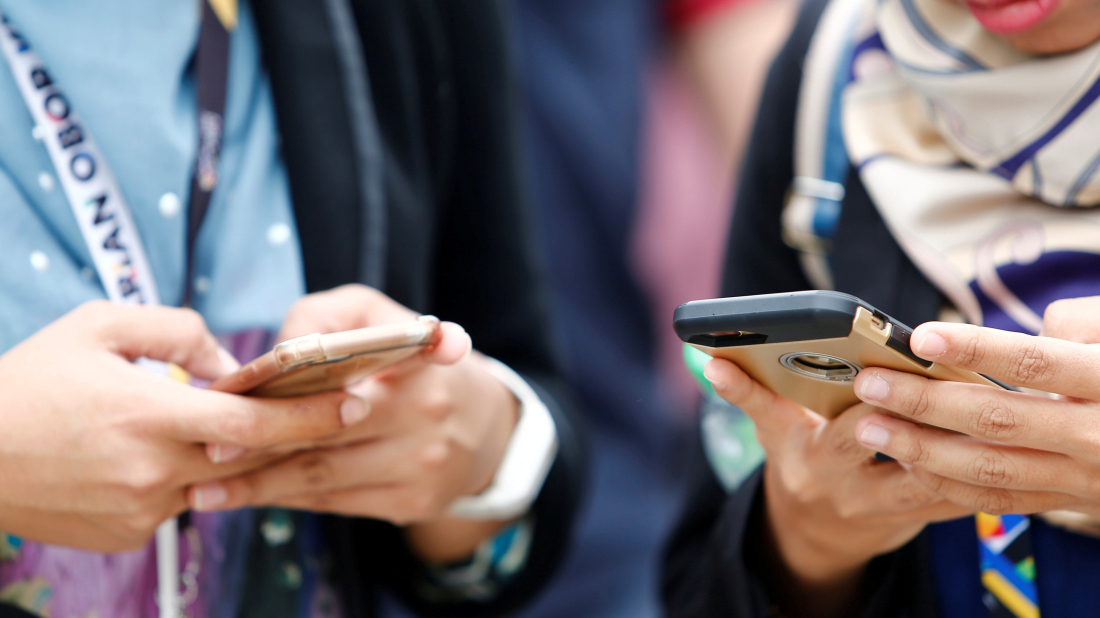
Australia's centre-left government on Thursday introduced a bill in parliament that aims to ban social media for children under 16 and proposed fines of up to A$49.5 million ($32 million) for social media platforms for systemic breaches.
Australia's centre-left government on Thursday introduced a bill in parliament that aims to ban social media for children under 16 and proposed fines of up to A$49.5 million ($32 million) for social media platforms for systemic breaches.
Australia plans to trial an age-verification system that may include biometrics or government identification to enforce a social media age cut-off, some of the toughest controls imposed by any country to date.
The proposals are the highest age limit set by any country, and would have no exemption for parental consent and no exemption for pre-existing accounts.
"This is a landmark reform. We know some kids will find workarounds, but we're sending a message to social media companies to clean up their act," Prime Minister Anthony Albanese said in a statement.
The opposition Liberal party plans to support the bill though independents and the Green party have demanded more details on the proposed law, which would impact Meta Platforms' Instagram and Facebook, Bytedance's TikTok and Elon Musk's X and Snapchat.
But Albanese said children will have access to messaging, online gaming, and health and education related services, such as youth mental health support platform Headspace, and Alphabet's Google Classroom and YouTube.
The Albanese-led Labor government has been arguing excessive use of social media poses risks to physical and mental health of children, in particular the risks to girls from harmful depictions of body image, and misogynist content aimed at boys.
A number of countries have already vowed to curb social media use by children through legislation, but Australia's policy is one of the most stringent.
France last year proposed a ban on social media for those under 15 but users were able to avoid the ban with parental consent. The United States has for decades required technology companies to seek parental consent to access the data of children under 13.
"For too many young Australians, social media can be harmful. Almost two-thirds of 14 to 17-year-old Australians have viewed extremely harmful content online, including drug abuse, suicide or self-harm," Communications Minister Michelle Rowland told parliament on Thursday.
The law would force social media platforms, and not parents or young people, to take reasonable steps to ensure the age-verification protections are in place.
The proposed law will contain robust privacy provisions, including requiring platforms to destroy any information collected to safeguard the personal data of users, Rowland said.
"Social media has a social responsibility ... that's why we are making big changes to hold platforms to account for user safety," Rowland said.















What is your opinion on this topic?
Leave the first comment