A fragile ceasefire between Congolese forces and the Rwandan-backed M23 rebels in the strategic eastern town of Walikale appeared to collapse on Monday, with the rebels retracting their pledge to withdraw and accusing the Congolese army of violating its own commitments.
The ceasefire had briefly sparked hopes of revitalizing stalled diplomatic efforts to end the long-running conflict in eastern Democratic Republic of Congo (DRC). The region's instability is rooted in the aftermath of the 1994 Rwandan genocide and ongoing competition for control over valuable mineral resources. The conflict has seen the capture of the DRC's two largest cities by rebel forces, resulting in thousands of deaths and heightening concerns about a potential regional war.
Just 48 hours after M23 rebels announced their intention to withdraw from Walikale, and the Congolese army pledged not to launch new attacks, the ceasefire was in jeopardy. Lawrence Kanyuka, spokesperson for the M23’s Congo River Alliance (AFC), accused the Congolese army and allied militias of not withdrawing their attack drones from Walikale, saying it was a major obstacle to the ceasefire’s success.
“This situation delays the repositioning of AFC/M23 forces in the zone,” Kanyuka wrote on X. “It should be noted that this act constitutes a major obstacle to respecting the ceasefire and thus compromises peace initiatives underway.”
Army spokespeople did not immediately respond to requests for comment. Meanwhile, local residents of Walikale reported seeing rebel fighters still present in the town on Monday morning. "They haven't moved. They are still visible in the centre of town," said one anonymous resident, speaking on condition of safety.
Failed Peace Talks and Mediation Efforts
Efforts to bring Congo and the rebels to the negotiating table have repeatedly failed. The two sides were scheduled to hold direct talks for the first time in Angola last week after the Congolese government dropped its long-standing refusal to negotiate with the rebels. However, M23 withdrew from the talks in protest of European Union sanctions against its leaders and Rwandan officials.
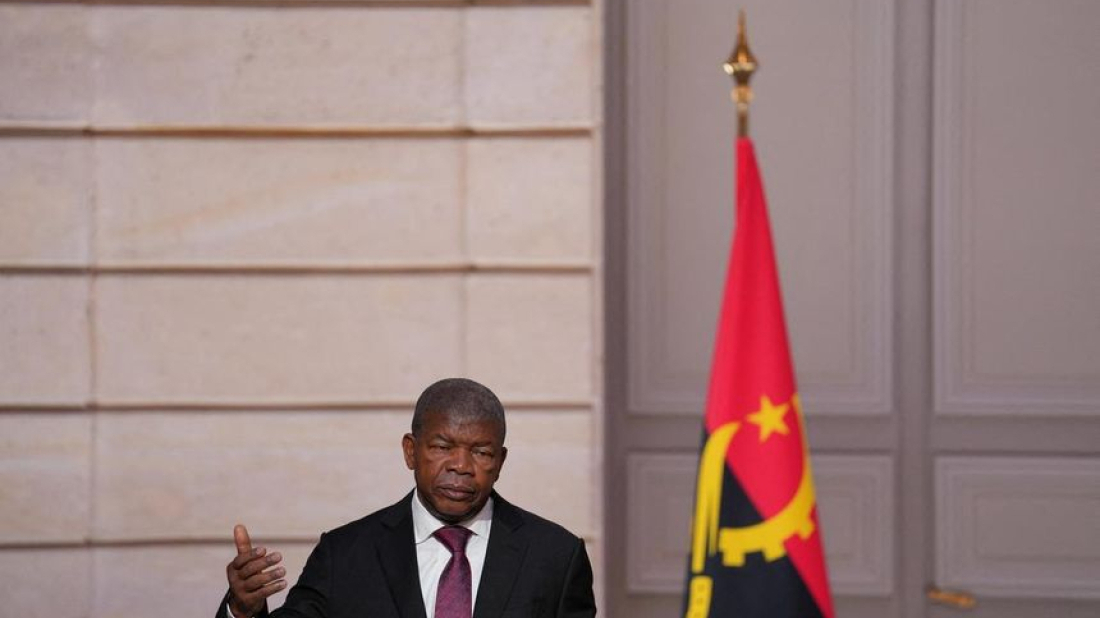
On Monday, Angola announced it would step back from mediating the conflict, citing the need to focus more on the broader priorities of the African Union (AU). Angola’s withdrawal followed frustration over a surprise meeting arranged by Qatar’s emir between Congo President Felix Tshisekedi and Rwandan President Paul Kagame, which Angola viewed as undermining its efforts for an African-led solution.
Despite this, Tshisekedi and Kagame expressed support for an immediate ceasefire at their meeting. However, M23 made it clear that it was not bound by their calls for peace.
Accusations and Denials
Both Congo, the United Nations, and Western nations accuse Rwanda of providing military support to the M23 rebels, allegations Rwanda consistently denies. Rwanda argues that its military operations are in self-defense against the DRC army and a militia composed of individuals associated with the perpetrators of the 1994 genocide.
In a statement on Monday, Qatar’s government expressed optimism over the developments, calling them a "significant positive step toward achieving stability and peace in the region," despite the ongoing difficulties in reaching a lasting ceasefire.
The volatile situation in Walikale highlights the persistent challenges to peace in eastern DRC, as both regional powers and local rebel groups remain locked in a cycle of conflict with no clear resolution in sight.











What is your opinion on this topic?
Leave the first comment