Russia is set to deliver 200,000 tons of Arctic Arco oil to Syria for the first time, marking a new phase in the growing energy partnership between the two nations, according to data from LSEG. This shipment highlights Russia’s strategic support for Syria amid ongoing geopolitical tensions and energ
Russia Set to Supply 200,000 Tons of Arctic Arco Oil to Syria for the First Time, LSEG Data Shows
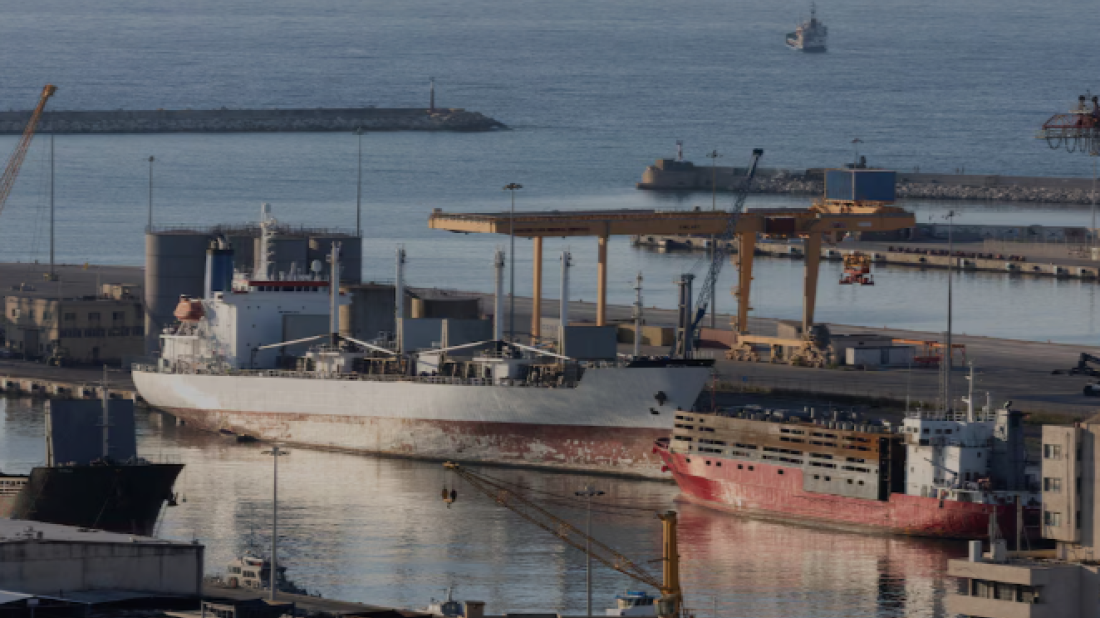
In a significant development, Russia is preparing to supply 200,000 tons of Arctic Arco oil to Syria for the first time, according to data from London Stock Exchange Group (LSEG). This new energy deal marks a noteworthy step in Russia's expanding influence in the Middle East and highlights its ongoing support for the Syrian regime amid Western sanctions and diplomatic isolation.
The shipment of Arctic Arco oil is set to arrive in Syria shortly, signaling a deepening economic relationship between the two nations. The cargo is being hailed as a critical move in helping Syria meet its energy needs, which have been increasingly strained due to prolonged conflict and international sanctions.
Arctic Arco oil, extracted from the Russian Arctic region, is known for its high quality and significant yield, making it an attractive source for countries like Syria that are struggling to secure stable energy supplies. The deal reflects Russia's strategic interests in supporting its long-time ally, Syrian President Bashar al-Assad, in his efforts to rebuild the war-torn nation.
Russia has faced substantial international scrutiny over its role in the Syrian conflict, where it has provided military support to Assad’s regime since 2015. Despite this, Moscow has strengthened its ties with Damascus, positioning itself as a key player in Syria's post-war reconstruction and energy sectors.
This oil supply deal is likely to deepen the energy cooperation between the two nations, which could have far-reaching implications for both Russia’s foreign policy and Syria’s efforts to regain stability. Additionally, it underscores Russia's broader strategy of securing long-term economic and geopolitical advantages in the Middle East, a region historically influenced by Western powers.
As Russia continues to navigate the complex dynamics of international relations, its relationship with Syria and other Middle Eastern nations could play a pivotal role in shaping the region's future energy landscape. The timing of this oil supply, amidst ongoing global energy challenges, underscores Russia’s determination to maintain its role as a significant energy supplier on the world stage.














What is your opinion on this topic?
Leave the first comment