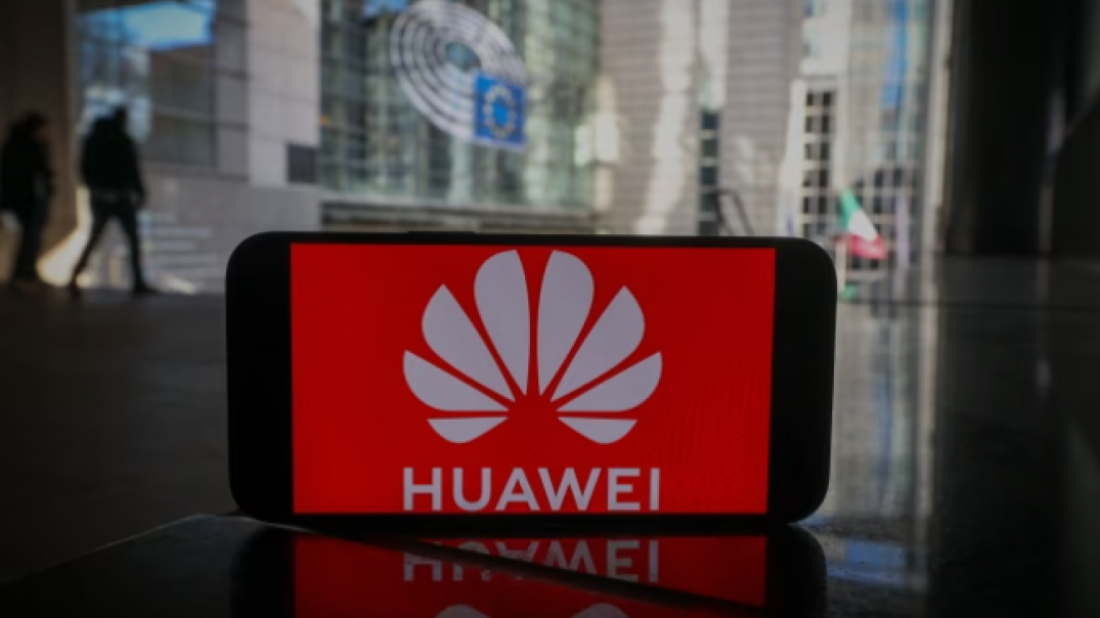
The U.S. Federal Communications Commission (FCC) has initiated an investigation into several major Chinese companies, including Huawei, ZTE, and China Telecom, to determine if they are circumventing U.S. sanctions and regulations designed to protect national security.
The U.S. Federal Communications Commission (FCC) has launched an investigation into several Chinese companies, including telecom giants Huawei, ZTE, and China Telecom, to determine if they are evading U.S. sanctions and restrictions. The move underscores growing concerns over national security, as these companies have long been at the center of debates regarding their ties to the Chinese government and their potential role in espionage or data theft.
The investigation, which is part of the FCC's broader efforts to tighten oversight of foreign entities operating within the U.S. telecommunications sector, seeks to ensure that these companies are complying with U.S. laws designed to protect American infrastructure from foreign influence. The FCC's scrutiny comes amid ongoing geopolitical tensions between the U.S. and China, particularly in the areas of technology and trade.
Huawei, ZTE, and China Telecom have previously faced significant scrutiny from U.S. lawmakers and regulators due to concerns about their potential connections to the Chinese government. These companies have been accused of enabling Chinese state surveillance, and their equipment has been banned or restricted in various countries, including the United States, in recent years. The latest investigation could lead to further actions against these companies, including additional sanctions or restrictions on their ability to operate in the U.S.
The FCC's inquiry is expected to examine whether these companies have found ways to circumvent the U.S. restrictions, potentially undermining efforts to protect the nation's critical communications infrastructure. The outcome of the investigation could have far-reaching consequences for both the companies involved and the broader U.S.-China relationship, as it highlights the growing concerns over the security and integrity of global telecommunications networks.
This investigation is just the latest in a series of actions taken by the U.S. government to limit the influence of Chinese companies in critical sectors, particularly in the realms of 5G technology, internet security, and telecommunications. The U.S. has already imposed bans on the use of Huawei and ZTE equipment in key infrastructure projects and has encouraged allies to follow suit.
As tensions between the two superpowers continue to rise, the results of this investigation could serve as a pivotal moment in the broader geopolitical struggle over technology and national security. The FCC's decision to probe these companies reflects a heightened awareness of the risks posed by foreign entities in the U.S. telecommunications market and could shape future regulatory decisions regarding foreign investment and corporate oversight in critical sectors.



















What is your opinion on this topic?
Leave the first comment