Kazakhstan grain harvest hit by drought as Black Sea risks threaten markets
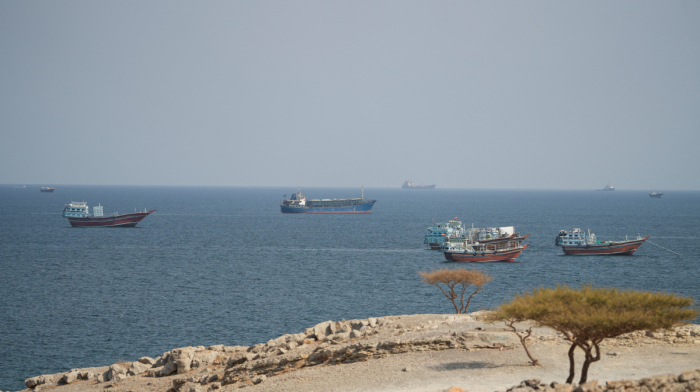
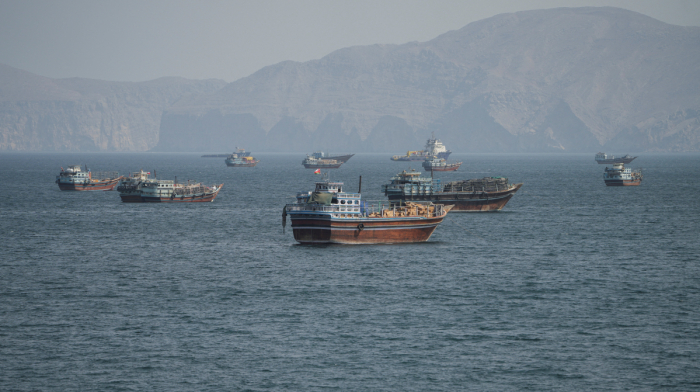
Kazakhstan's grain sector faces a difficult season as drought reduces harvest prospects while mounting security risks in the Black Sea threaten to red...
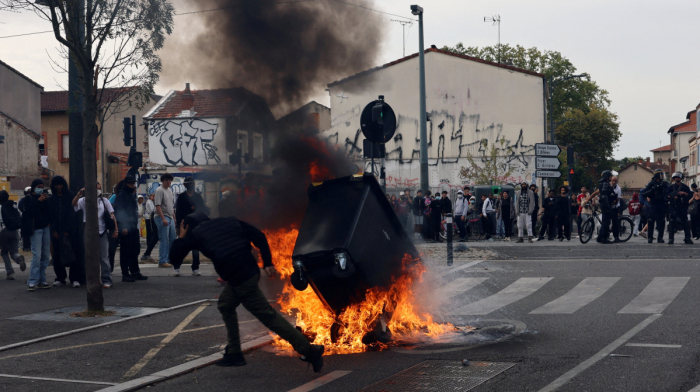
Tens of thousands protested in Belgrade against President Vucic, demanding accountability for a deadly railway station collapse. Riot police, veterans, and bikers faced off with demonstrators in a tense standoff, as student-led rallies continue to challenge the government.
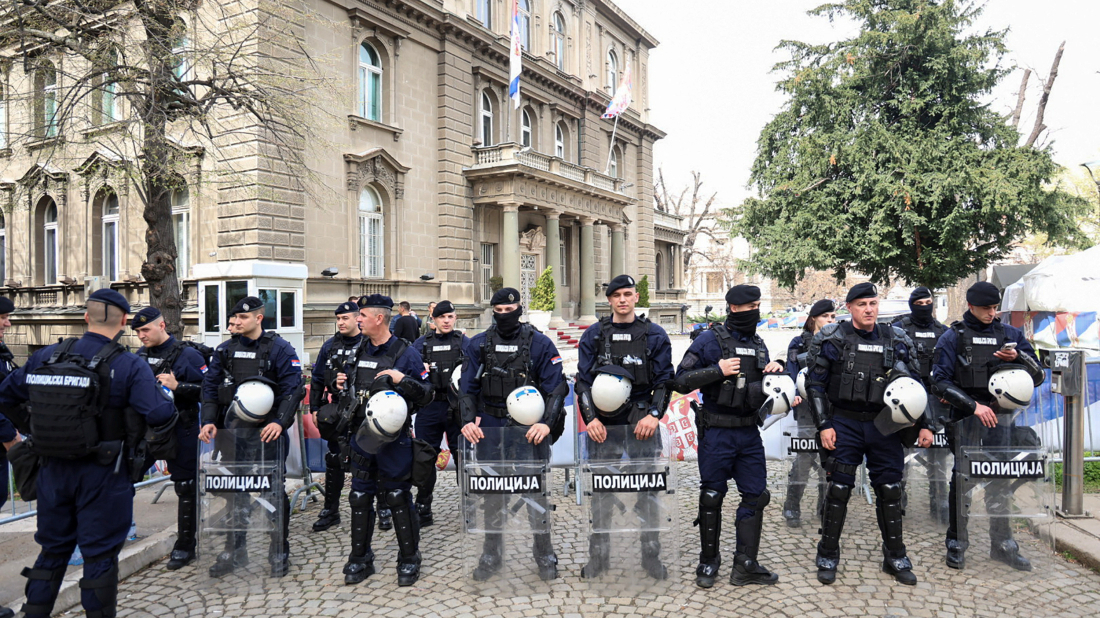
Serbian anti-corruption protesters, riot police, and supporters of President Aleksandar Vucic faced off in central Belgrade on Saturday as tens of thousands of people turned out for massive anti-government rallies following a night of sporadic clashes.
Police deployed hundreds of officers in full riot gear in and around Pionirski Park, where supporters of Vucic have camped this week inside a ring of parked tractors.
Across the street, hundreds of veterans from elite military brigades in maroon berets and bikers who pledge allegiance to the students lined up along the route where protesters were due to march from 4 p.m. (15:00 GMT) in front of the national parliament to Slavija Square. The bikers paraded slowly, revving their engines.
Students also deployed hundreds of security guards from their own ranks, clad in fluorescent yellow vests, and positioned them between police and protesters.
Near-daily student protests began in December following the deaths of 15 people when a roof at a railway station collapsed on November 1 in the northern city of Novi Sad, a disaster opponents blame on corruption under Vucic.
Students, teachers, farmers, and workers have joined the demonstrations in a major challenge to Vucic, a populist who has been in power for 12 years as prime minister or president.
Last December, students issued a set of demands that include the release of documents related to the railway station disaster, and accountability for those responsible.
Thousands of marching students, many travelling hundreds of miles on foot or by bike, descended on Serbia's capital late on Friday ahead of Saturday's rally.
Tension and sporadic violence continued overnight and into Saturday.

Start your day informed with AnewZ Morning Brief. Here are the top news stories for the 24th July, covering the latest developments you need to know.
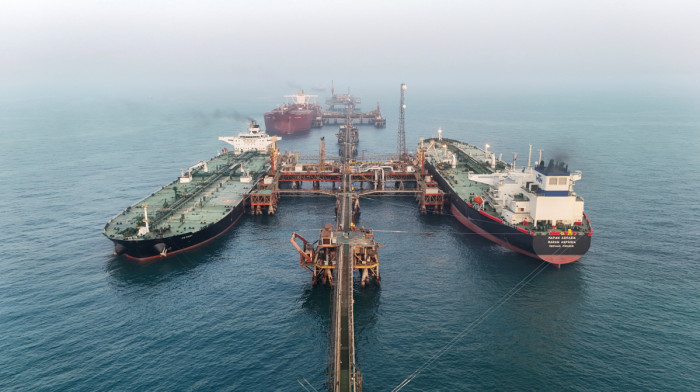
U.S. strikes on Iran entered a 12th consecutive night, while Yemen's Houthis said they attacked two Saudi oil tankers in the Red Sea, urging President Donald Trump to warn Tehran it would be held responsible for any future Houthi attacks.
The U.S. military said it completed a fresh wave of strikes on Iran late on Thursday, marking the 13th consecutive night of American attacks. The latest operation lasted more than two hours, according to U.S. Central Command.
Aleksandar Vučić's visit to Kyiv on 15 July appeared to send a geopolitical signal. But the significance of the trip lies less in the journey itself than in the limits Serbia carefully observed.
Spain has declared a national emergency and evacuated more than 10,000 people after uncontrolled wildfires reached the outskirts of Madrid. Emergency crews have rescued residents as multiple blazes continue to spread across the region.
A Russian ballistic missile strike in Ukraine’s Kyiv region has killed 10 people and injured nearly 100 others at an event involving representatives of the country’s defence industry.
U.S. President Donald Trump says Israeli Prime Minister Benjamin Netanyahu will visit Washington next week as tensions continue to rise across the Middle East.
President Donald Trump on Friday celebrated what he called a "historic milestone" for civilian nuclear energy, announcing that four American companies had successfully achieved criticality for advanced reactor designs by the 4 July deadline he set last year.
Six candidates vying to become the next United Nations Secretary-General have called for restoring the organisation's credibility, strengthening multilateralism and reforming the UN, during the first public town hall debate ahead of a decisive Security Council vote next week.
Kazakhstan and Kyrgyzstan are facing renewed Western scrutiny after the EU expanded sanctions targeting Russia's supply chains and the U.S. introduced new tariffs affecting trade with Central Asia.
You can download the AnewZ application from Play Store and the App Store.
What is your opinion on this topic?
Leave the first comment