Russian President Vladimir Putin signaled conditional support for a U.S.-proposed ceasefire in Ukraine, stating that while the idea was "correct," it must address the conflict’s root causes. U.S. President Donald Trump called Putin’s response "very promising," but Kyiv dismissed it as a delaying tac
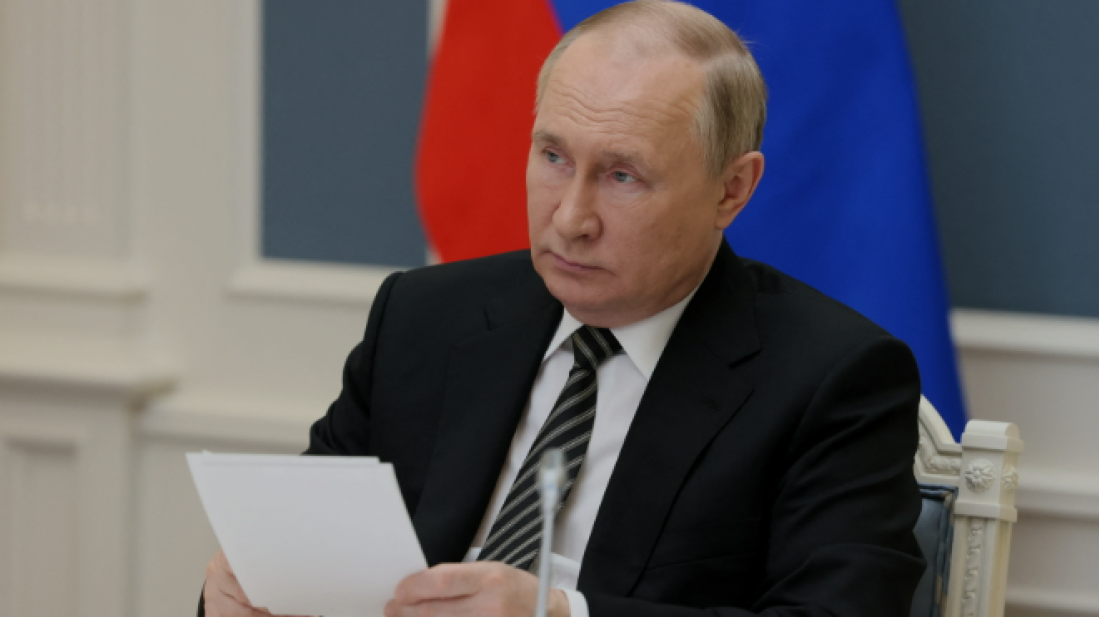
Russian President Vladimir Putin said on Thursday that Moscow supports a U.S.-proposed ceasefire in Ukraine in principle but insisted on addressing the war’s underlying causes before agreeing to a truce. His remarks came after talks with Belarusian President Alexander Lukashenko in Moscow.
"We agree with the proposals to cease hostilities," Putin told reporters. "But this cessation should lead to long-term peace and eliminate the original causes of this crisis."
While his comments signaled an openness to negotiations, Putin listed several clarifications needed before Russia could commit, making an immediate ceasefire unlikely.
Trump welcomes Putin’s remarks
U.S. President Donald Trump responded to Putin’s statement, calling it "very promising" but emphasizing that Moscow’s commitment would soon be tested. He confirmed that his special envoy, Steve Witkoff, was in Moscow for direct talks.
"Now we're going to see whether or not Russia is there, and if they're not, it'll be a very disappointing moment for the world," Trump said.
Trump also revealed that discussions included territorial adjustments and control over a major power plant, likely referring to the Russian-occupied Zaporizhzhia nuclear facility.
Zelenskyy sceptical of Russian intentions
Ukrainian President Volodymyr Zelenskyy dismissed Putin’s response, accusing him of stalling.
"That's why in Moscow they are imposing conditions, so that nothing happens at all, or so that it cannot happen for as long as possible," Zelenskyy said in his nightly video address.
Ukraine has already backed the U.S. ceasefire plan, while Russia continues to demand that Kyiv permanently cede territories occupied by Russian forces— a stance Ukraine rejects.
Fighting continues as ceasefire remains uncertain
Despite the ceasefire discussions, fighting has intensified. Russia controls nearly a fifth of Ukraine and has advanced further since mid-2024. Moscow’s forces are also engaged in a counteroffensive in the western Russian region of Kursk, where Ukrainian troops had launched an incursion last year.
Putin, who visited the frontline in Kursk this week, raised concerns over how a ceasefire would be enforced in active battle zones.
"If we stop hostilities for 30 days, what does that mean? That everyone who is there will leave without a fight?" he asked.
While Putin signaled he might call Trump to discuss the issue, the number of conditions he raised suggests a breakthrough remains distant.











What is your opinion on this topic?
Leave the first comment