More than 100,000 return to Afghanistan from Iran and Pakistan in two weeks
More than 100,000 people entered Afghanistan from Iran and Pakistan between 19 July and 1 August, increasing pressure on communities and humanitarian ...
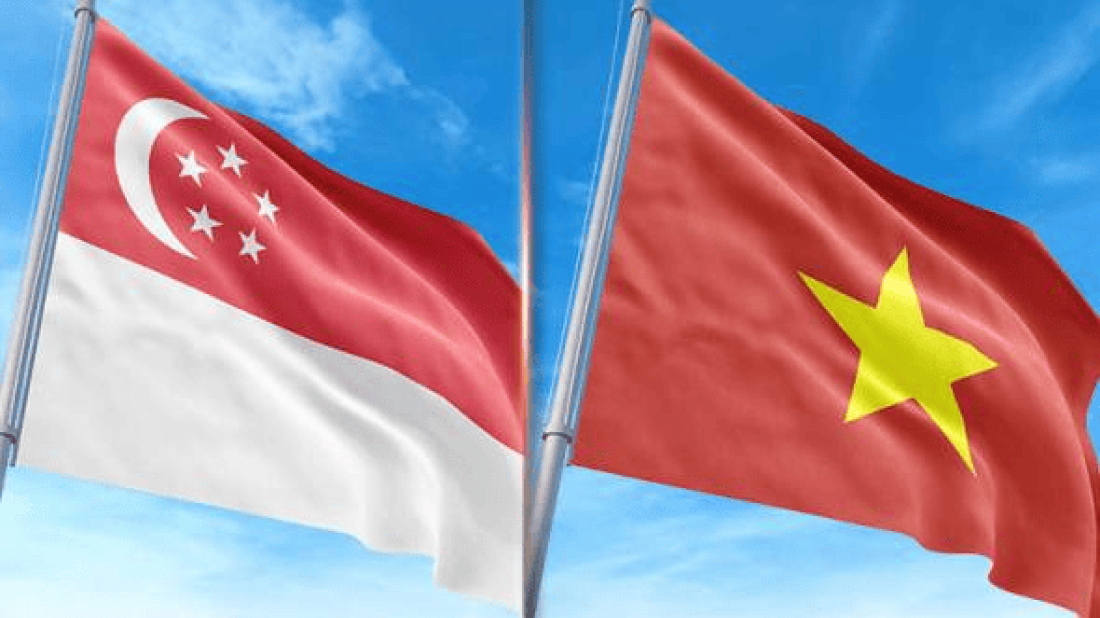
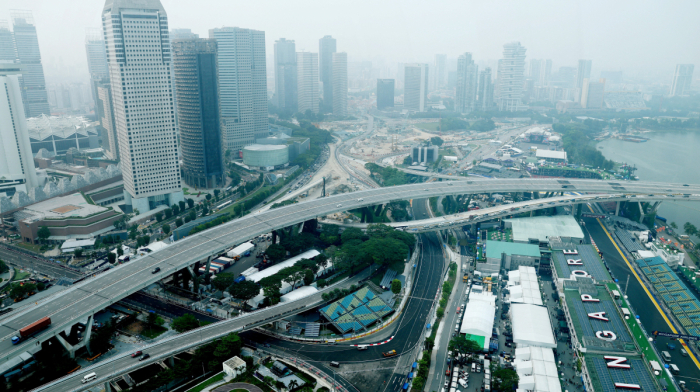
Vietnam and Singapore have agreed to enhance cooperation in subsea cables, finance, and energy, upgrading their relations to a "comprehensive strategic relationship." They aim to expand digital connectivity and meet the growing demand for data services, with Singapore investing heavily in Vietnam.
Vietnam and Singapore have agreed to bolster their cooperation in several key areas, including subsea cables, finance, and energy. The partnership, which marks the highest level of relations between the two nations, was solidified during a visit by Vietnam's Communist Party Chief, To Lam, to Singapore on Wednesday.
The two countries have established a "comprehensive strategic relationship," joining Malaysia and Indonesia as Southeast Asian nations with which Vietnam shares this upgraded bond. The leaders of both countries witnessed the exchange of six agreements, including those focused on undersea cable development, digital connectivity, and cross-border data flows.
As Southeast Asia serves as a vital junction for cables connecting Asia to Europe, Vietnam is planning to launch 10 new submarine cables by 2030 to meet the growing demand for AI services and data centres. In December, Singapore’s Keppel and Vietnam’s Sovico Group began discussions to enhance the region’s data infrastructure.
Additionally, the leaders addressed green development, industrial park expansion, and regional peace. Singapore also pledged to support Vietnam’s financial sector growth, underscoring its role as a major investor in Vietnam, contributing $10.21 billion in foreign investments last year.

Start your day informed with AnewZ Morning Brief. Here are the top news stories for the 5th of August, covering the latest developments.
U.S. President Donald Trump said there was an "all-day negotiation" on Tuesday with Iran, characterising the talks positively while also threatening to hit Iran "really hard" if a deal was not reached.
Shipping traffic through the Strait of Hormuz and the Bab el-Mandeb Strait, two key maritime chokepoints in the region, decreased significantly from the previous day, according to shipping data.
Start your day informed with AnewZ Morning Brief. Here are the top news stories for the 6th of August, covering the latest developments.
Kazakhstan’s main oil export corridor was disrupted by drone strikes near Russia’s Black Sea coast in July, forcing a temporary suspension of crude loadings and raising fresh concerns over the vulnerability of regional energy infrastructure to the war in Ukraine.
Türkiye's ruling alliance on Wednesday (5 August) submitted a bill to parliament aimed at advancing peace with the outlawed PKK by offering legal protections to former militants who disarm.
Ukraine has warned that its ability to defend against Russian missile attacks is weakening as Moscow appears to be expanding its missile arsenal ahead of a possible winter campaign targeting critical infrastructure.
Azerbaijan and Ukraine are seeking to deepen cooperation in energy, reconstruction and trade, with Baku signalling its readiness to supply natural gas to Ukraine and expand its role in rebuilding projects following high-level talks in Kyiv.
The UK government announced a new package of sanctions on Thursday (6 August) aimed at disrupting Russia's financial sector and oil exports, expanding pressure on Moscow more than four years after its full-scale invasion of Ukraine.
Ukraine’s National Security and Defense Council (NSDC) has approved Kyiv’s Resilience Plan for the autumn-winter season, aimed at strengthening the capital’s ability to withstand continued Russian attacks and ensuring the uninterrupted operation of critical services.
You can download the AnewZ application from Play Store and the App Store.
What is your opinion on this topic?
Leave the first comment