President Donald Trump has launched a fresh investigation into U.S. copper imports, signaling a potential new round of tariffs aimed at bolstering domestic production of a metal critical to electric vehicles, military hardware, the power grid, and numerous consumer goods.
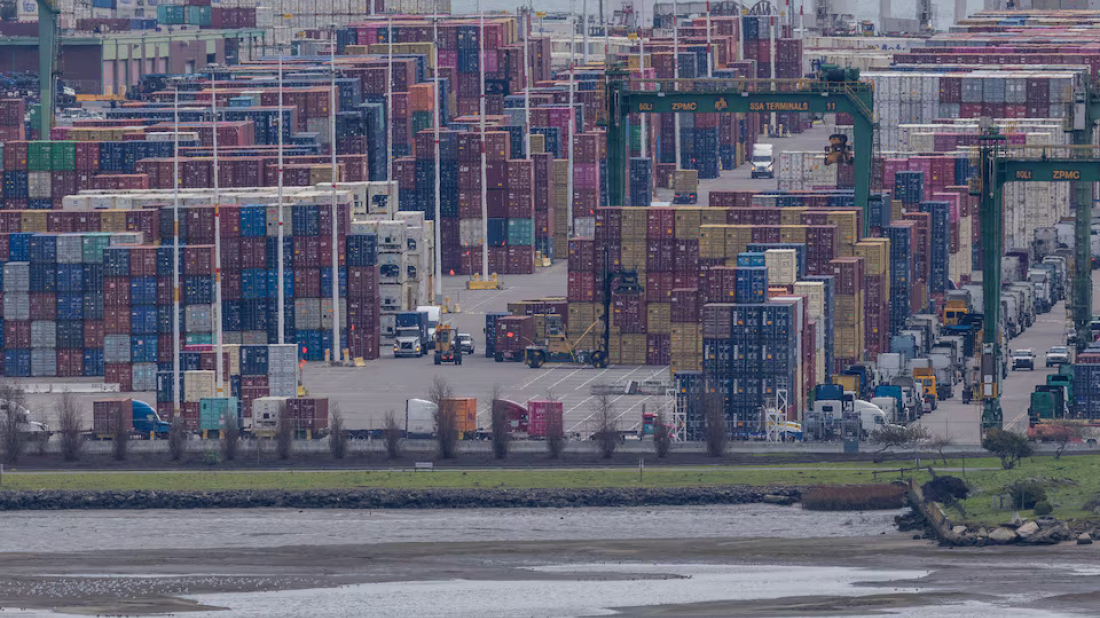
In an executive order signed on Tuesday, Trump directed Commerce Secretary Howard Lutnick to initiate a national security probe under Section 232 of the Trade Expansion Act of 1962 - the same authority used during his first term to impose 25% tariffs on steel and aluminum. The probe is intended to determine whether U.S. reliance on imported copper - amounting to 45% of the country’s consumption last year - poses a national security risk, particularly in light of efforts by countries like China to dominate the global copper market through state subsidies and excess production capacity.
“American industries depend on copper, and it should be made in America, no exemptions, no exceptions,” Lutnick said during the signing, emphasizing that the investigation would cover all forms of copper imports, including raw mined copper, concentrates, copper alloys, scrap copper, and derivative products. The White House official, speaking on condition of anonymity, noted that any potential tariff rate would be determined based on the findings of the investigation, with Trump expressing a clear preference for tariffs over quotas.
The move marks the latest in a series of tariff orders since Trump resumed his White House residency last month. Already, a 10% levy on all imports from China is in place, with 25% duties on goods from Canada and Mexico set to take effect next week. Additional tariffs on steel, aluminum, and motor vehicles are also either imminent or under fast-track development.
The new probe has rattled markets, with stocks falling on Wall Street for the fourth consecutive day amid growing uncertainty over Trump’s evolving trade policies. In after-hours trading, shares of Freeport-McMoRan, the world’s largest copper producer, surged 5%, buoyed by expectations that tighter U.S. protections could benefit domestic producers. However, companies like London-based Antofagasta, currently developing the Twin Metals copper and nickel mine in Minnesota, declined to comment on Trump’s latest actions.
White House trade adviser Peter Navarro asserted that the investigation would be concluded “in Trump time,” underscoring the administration’s resolve to curb what it sees as unfair trade practices that have undermined American manufacturing. Navarro contended that China’s aggressive state subsidies and capacity expansions have decimated U.S. copper production, a trend that the administration aims to reverse.
The probe also comes amid broader geopolitical tensions. Trump’s trade policies have increasingly targeted long-standing U.S. allies, such as Canada and Mexico, while also aiming to pressure adversaries like China. In related news, the administration is also reviewing digital services taxes imposed on U.S. technology firms by other nations.
As the investigation unfolds, the potential imposition of new copper tariffs could significantly reshape global supply chains and impact industries reliant on this critical material. The outcome of the probe remains to be seen, but it underscores the administration’s aggressive stance on protecting U.S. industrial interests in a rapidly shifting global trade landscape.
















What is your opinion on this topic?
Leave the first comment