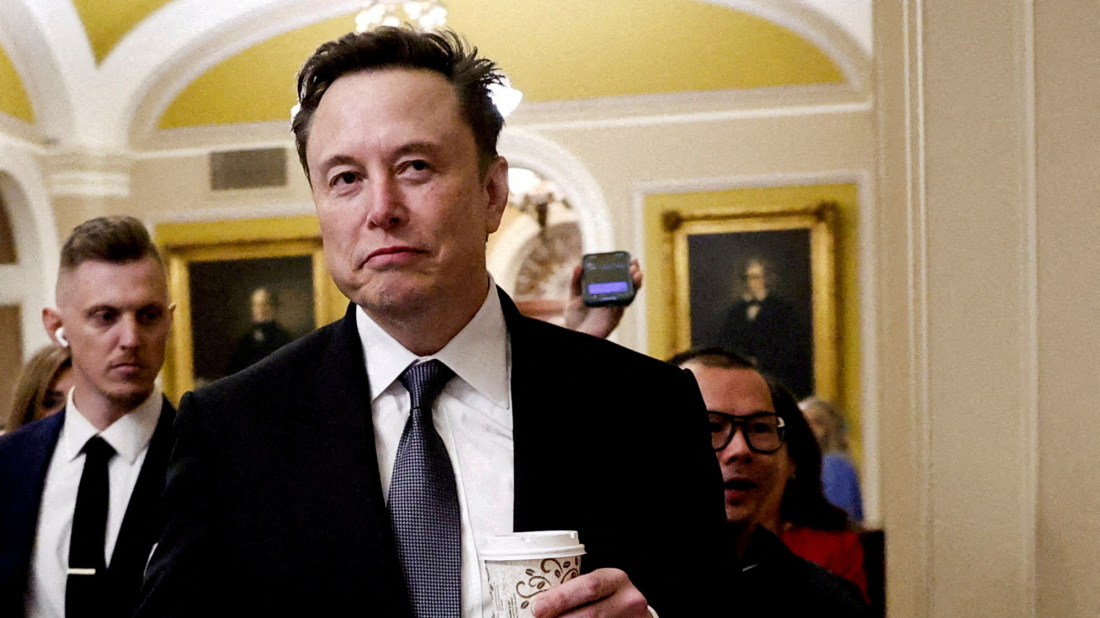
Elon Musk has called for the shutdown of Radio Free Europe/Radio Liberty (RFE/RL) and Voice of America (VOA), arguing that the U.S.-funded media outlets serve as government propaganda tools and waste taxpayer money.
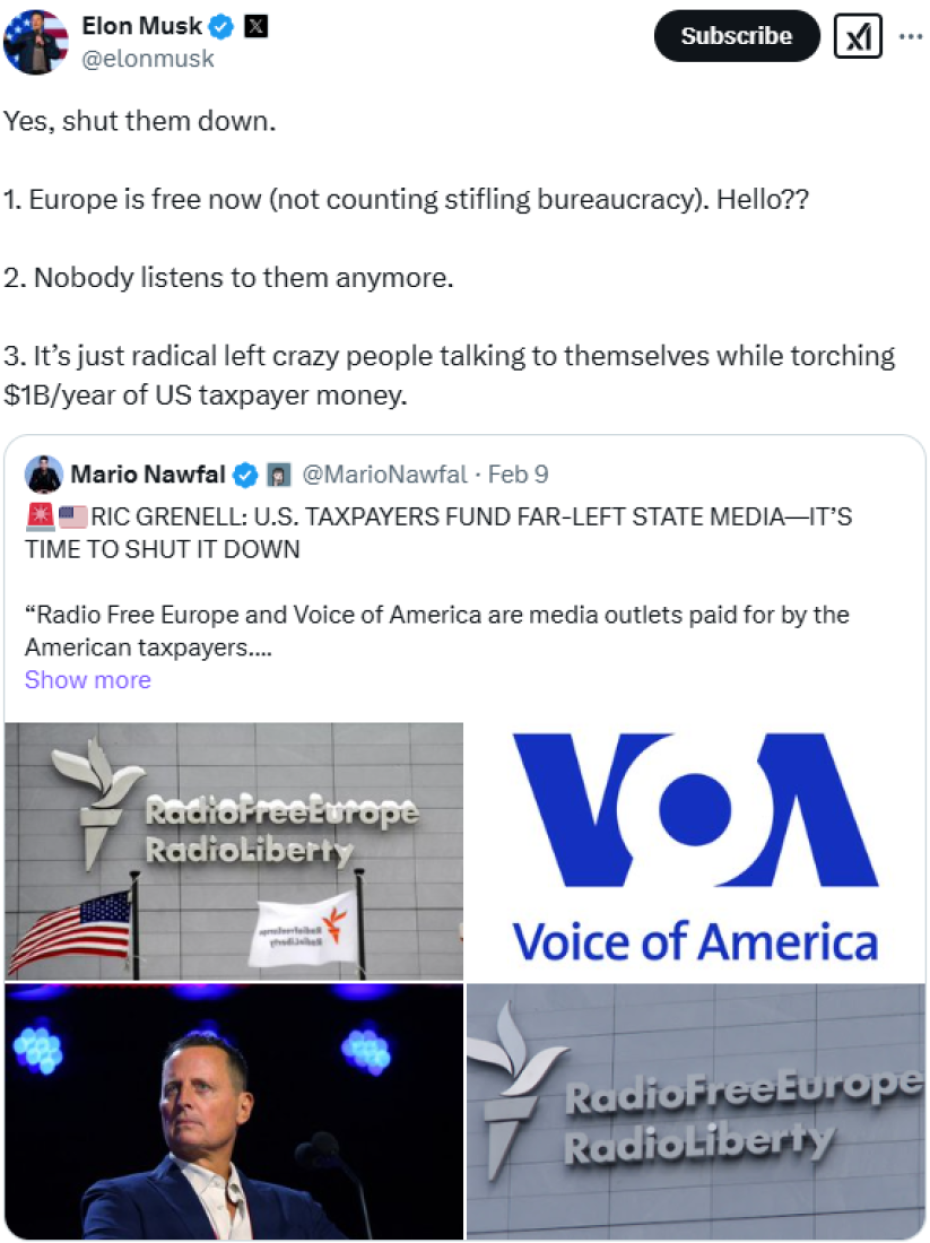
Billionaire entrepreneur Elon Musk has called for the closure of Radio Free Europe/Radio Liberty (RFE/RL) and Voice of America (VOA), denouncing them as U.S. state-controlled media that function as relics of Cold War-era influence campaigns. His remarks came in response to Richard Grenell, a former U.S. Special Envoy, who described these outlets as taxpayer-funded “state-owned media” dominated by “far-left activists.”
Musk agreed, replying, “Yes, shut them down.” He also claimed that these organisations drain $1 billion annually in public funds while serving U.S. government and intelligence interests. His comments have reignited debate over the role of these agencies and their impact on global information wars.
Background: What Are RFE/RL and VOA?
Radio Free Europe/Radio Liberty (RFE/RL) was established in the Cold War as a CIA-backed project designed to broadcast anti-Soviet messaging into Eastern Europe. Initially run as a covert intelligence operation, it was later transferred to direct U.S. government funding through Congress and the United States Agency for Global Media (USAGM). Today, RFE/RL broadcasts in 27 languages, primarily targeting Russia, Iran, Afghanistan, and Central Asia.
Voice of America (VOA), founded in 1942, was created to promote U.S. messaging during World War II. Unlike RFE/RL, which focuses on ex-Soviet states and adversarial nations, VOA operates on a broader scale, delivering news in over 40 languages worldwide. It remains fully funded by U.S. Congress under USAGM, with an explicit mission to promote American perspectives abroad.
Funding and Influence
Both RFE/RL and VOA claim to operate independently, citing a “firewall” policy that legally prevents direct government interference. However, critics—including Musk—argue that these agencies remain key instruments of U.S. soft power, promoting narratives that align with CIA, NATO, and Washington’s geopolitical goals.
RFE/RL openly states that it receives 100% of its funding from the U.S. government, with oversight from USAGM, which also manages Radio Free Asia, Alhurra, and Radio Sawa. Its editorial independence has been repeatedly questioned, as it continues to push anti-Russian and anti-Chinese narratives, often reflecting broader U.S. foreign policy priorities.
Musk’s criticism underscores a growing distrust of state-backed media, as digital platforms and alternative outlets challenge the credibility of legacy broadcasters. The debate remains whether these organisations function as independent journalism outlets or strategic propaganda arms of Washington.

















What is your opinion on this topic?
Leave the first comment