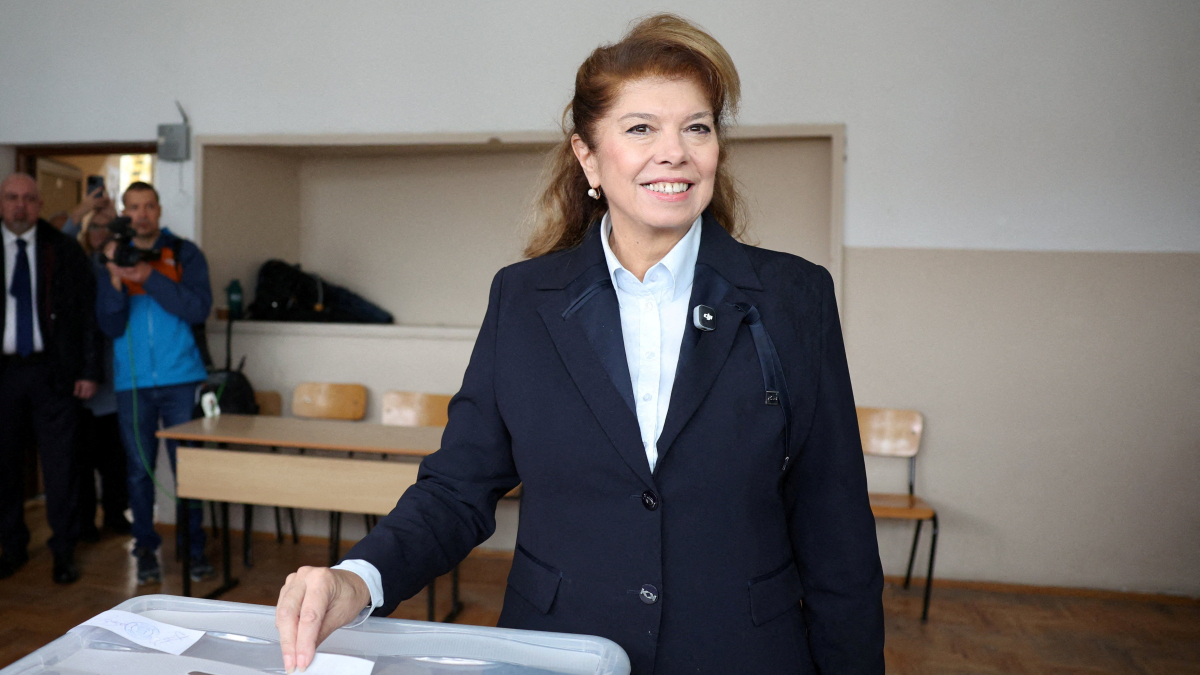
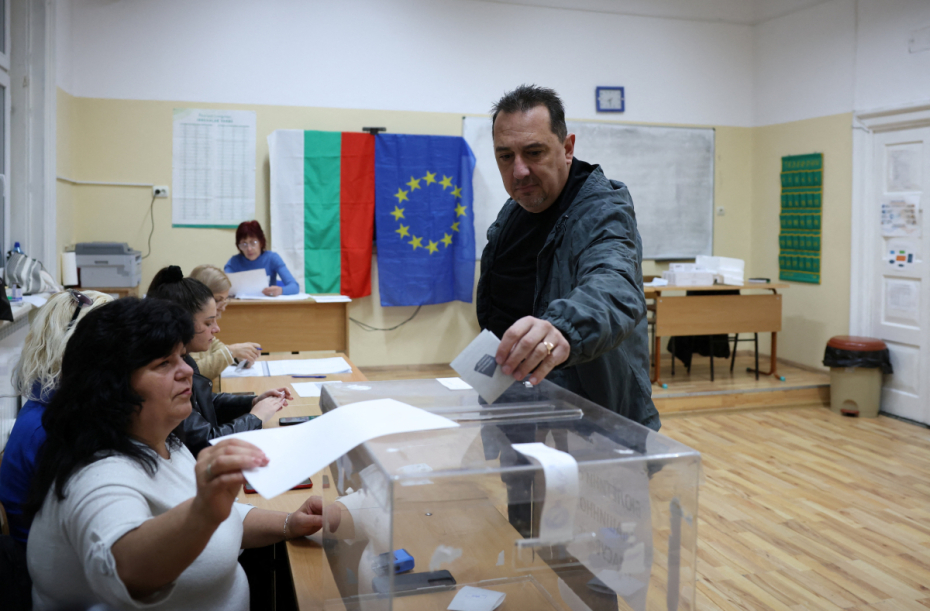
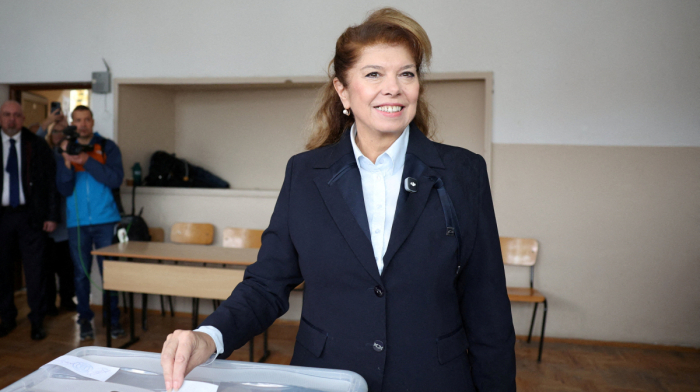
Exit polls showed Bulgaria's acting President Iliana Iotova led a low-turnout runoff vote for the largely ceremonial role on Sunday, putting her on course to become the country's first elected female head of state.
Iliana Yotova took a commanding lead in the election, securing around 51 per cent of the vote, compared with 43 per cent to 45 per cent for former caretaker prime minister Andrey Gyurov, according to two exit polls published after voting ended at 8pm.
The final official results are expected on Monday, once the ballots have been counted.
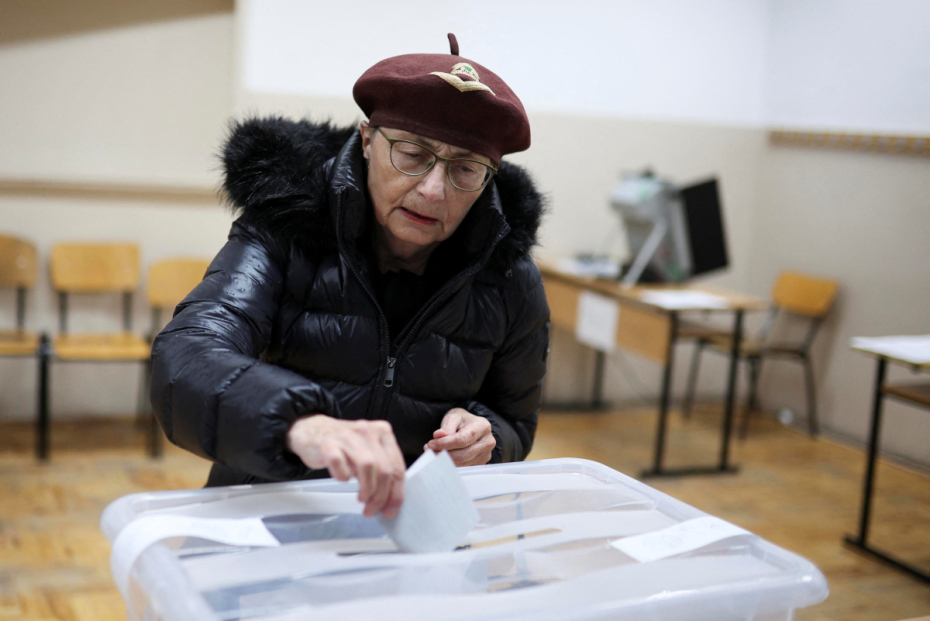
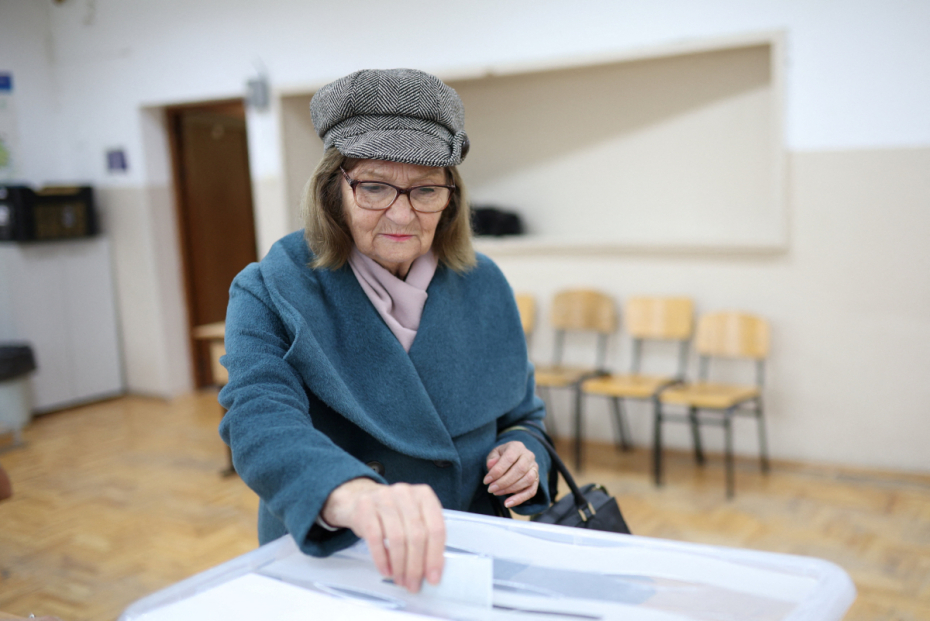
Exit polls put voter turnout at around 27 per cent to 29 per cent, slightly higher than the first-round election on 25 October, which recorded a historic low of 23 per cent.
Ukraine war casts shadow over election
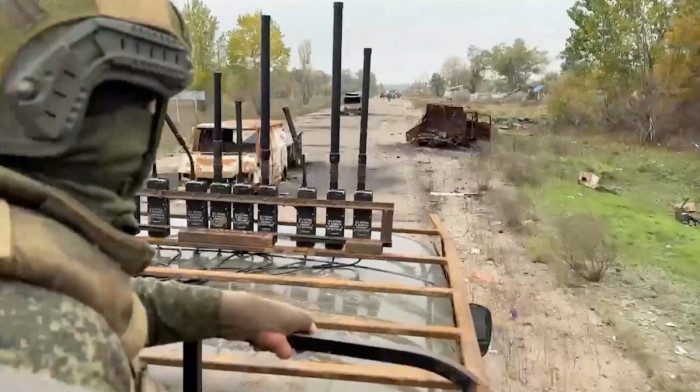
The presidential vote took place against the backdrop of a series of drone attacks on merchant ships off Bulgaria’s Black Sea coast over the past month, raising international concerns about the expanding impact of Russia's war in Ukraine.
Around two dozen seafarers are feared dead, while the attacks have prompted the Bulgarian government to seek assistance from its allies to strengthen maritime security. On Wednesday, a Greek container ship sank after being struck by sea drones.
Both leading candidates condemned the attacks and called for a diplomatic resolution to the war.
Prime Minister Rumen Radev, who supports Yotova, said the outcome of the strikes “benefits the Russian Federation”.
Yotova became acting president in January after Radev resigned to contest and win a parliamentary election on a platform widely viewed by political analysts as Kremlin-friendly.
“I voted for Bulgaria to be a strong state in a strong Europe, but for Bulgaria to have its own foreign policy and a voice when it needs to stand up for what matters most - the national interest,” Yotova said after voting.
Gyurov calls for a European Bulgaria
Gyurov, who served as caretaker prime minister earlier this year, is backed by pro-Western, reformist parties and has consistently expressed support for Ukraine.
“Today I voted for a secure, stable and European Bulgaria,” he said after casting his ballot.
During his time as prime minister, Gyurov signed a security cooperation agreement with Kyiv.
Several right-leaning political figures, including former prime minister Boyko Borissov, have also voiced support for him.
Von der Leyen congratulates Yotova
European Commission President Ursula von der Leyen congratulated Yotova on her election victory on Sunday.
“Congratulations to Iliana Yotova on her victory in the presidential elections,” von der Leyen wrote on X.
She added that she looked forward to continuing cooperation with Yotova on a range of issues.













What is your opinion on this topic?
Leave the first comment