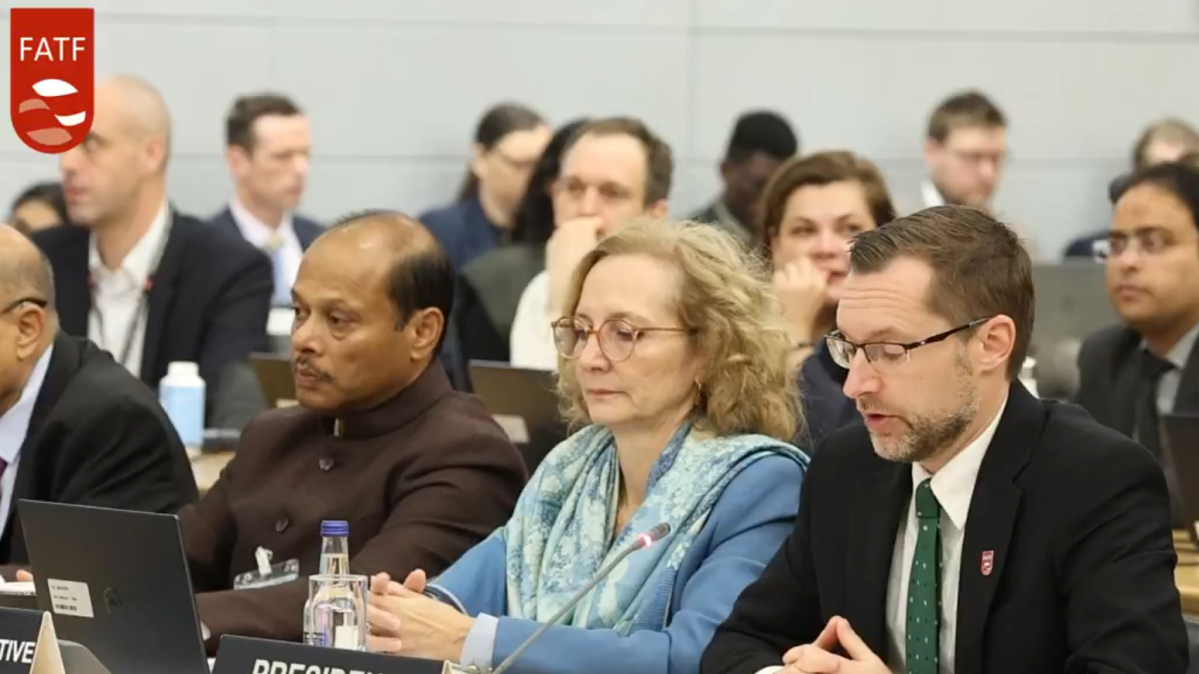
The Financial Action Task Force (FATF), the global body responsible for monitoring money laundering and terrorist financing risks, has removed four countries from its so-called “grey list” after determining they had made sufficient progress in addressing weaknesses in their financial cr
Meanwhile, Vietnam was warned that it could face further action if reforms do not accelerate. The decision means Bulgaria, Ivory Coast, Democratic Republic of Congo and Monaco are no longer subject to enhanced FATF monitoring after implementing measures designed to strengthen anti-money laundering and counter-terrorism financing frameworks.
According to FATF, the four jurisdictions demonstrated “positive progress” in tackling strategic shortcomings identified during previous evaluations.
Why the grey list matters
Countries placed on the FATF grey list are not subject to sanctions, but the designation can have significant economic consequences.
Banks, investors and financial institutions typically apply greater scrutiny to transactions involving listed jurisdictions, increasing compliance costs and often discouraging investment and cross-border financial activity.
Removal from the list is therefore viewed as an important signal to international markets that a country's financial regulatory framework has improved.
For the Democratic Republic of Congo, the decision was welcomed as a step that could lower costs for businesses and financial institutions.
Doudou Roussel Fwamba Likunde Li-Botayi, the country's finance minister, said the move should ease international transactions and support banking relationships.
“Removal from the list is expected to reduce the cost and friction of cross-border transactions for Congolese banks, businesses and citizens, and support correspondent banking relationships,” he said.
In Monaco, officials also hailed the decision as recognition of extensive reforms.
Christophe Mirmand, Monaco's minister of state, described the delisting as the result of sustained institutional efforts.
“This decision recognises more than two years of concrete, rigorous and coordinated work by all of the State's authorities and departments.”
Vietnam warned over slow progress
While four countries exited enhanced monitoring, FATF issued a warning to Vietnam, indicating that patience was wearing thin over what it sees as insufficient progress in addressing identified deficiencies.
The watchdog signalled that further measures could be considered if reforms are not accelerated before its next plenary meeting.
“The FATF will consider next steps if Vietnam does not make tangible improvements to rectify its strategic deficiencies by the next Plenary meeting.”
The statement places added pressure on the Vietnamese authorities to strengthen financial oversight and address concerns raised during previous reviews.
Iran, Myanmar and North Korea remain blacklisted
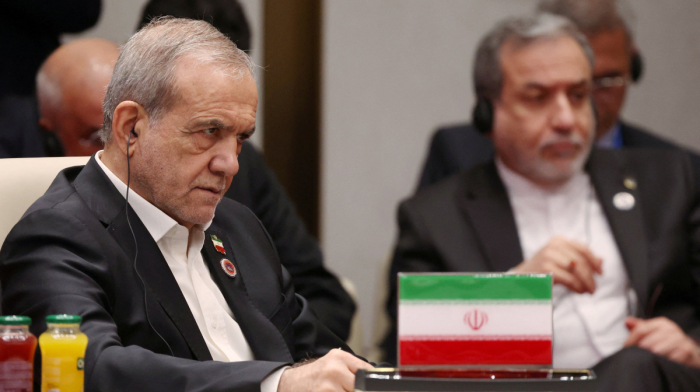
FATF left Iran, Myanmar and North Korea on its blacklist, the organisation's most severe classification for jurisdictions with major strategic deficiencies in preventing money laundering, terrorist financing and proliferation financing.
The watchdog also renewed calls for Myanmar to take action against large-scale fraud and scam operations that continue to operate from the country.
Earlier reports indicated that Japan had lobbied for Myanmar's removal from the blacklist in an effort to improve conditions for business engagement. However, FATF opted to maintain the country's blacklisted status.
Myanmar was added to the list in 2022 following the military takeover that plunged the country into prolonged political instability and civil conflict.
North Korea also remains subject to the toughest FATF measures.
The country's alleged use of cyber operations to generate revenue continues to be a major concern for international regulators and governments.
Some analysts have linked North Korean hackers to the theft of approximately $6.3 billion from cryptocurrency exchange Binance, a case that some observers believe could rank among the largest financial thefts ever recorded.
Authorities in the United States and South Korea, along with cybersecurity specialists, have repeatedly accused state-linked North Korean cyber units of engaging in espionage and financial theft to generate funds for the country. Pyongyang has consistently denied those allegations.
What blacklisting means
Unlike grey-listing, blacklisting carries severe financial implications.
Countries on the list often face frozen investment opportunities, sharply increased compliance requirements and restricted access to global banking networks.
Financial institutions around the world are encouraged to apply the highest level of scrutiny to transactions involving blacklisted jurisdictions.
The latest FATF decisions underscore the watchdog's continued focus on strengthening global financial transparency while maintaining pressure on countries it believes have failed to adequately address serious financial crime risks.
Read more:
















What is your opinion on this topic?
Leave the first comment