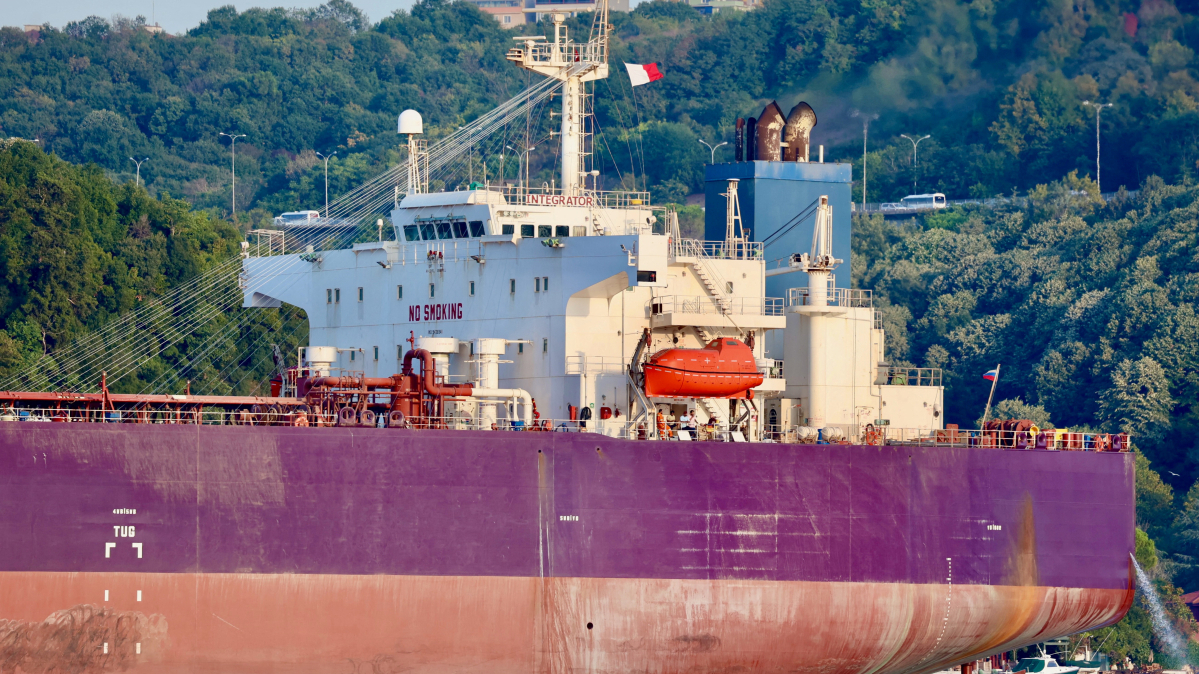
A tanker carrying the first Russian diesel shipped under a surprise agreement between Moscow and U.S. President Donald Trump is heading towards the North Atlantic. However, it remains uncertain whether the fuel will end up in the U.S.
According to Reuters, ship-tracking data on Friday showed the vessel heading for New York. The company that manages the tanker later said no destination had been settled.
If the cargo does reach the U.S., it will be the first Russian diesel imported into the country since former President Joe Biden banned imports of Russian oil and petroleum products in 2022.
Tanker awaiting orders
The Agioi Fanendes, a medium-sized, Malta-flagged tanker, took on 40,000 metric tons of ultra-low sulphur diesel at Russia’s Baltic port of Primorsk on 22 October, according to LSEG shipping data. The data showed the vessel was due to arrive in the U.S. on 7 November.
It was not immediately known who bought or sold the cargo.
After the ship-tracking data was published, the tanker’s manager, Eastern Mediterranean Maritime Limited (EASTMED), said the vessel was sailing towards the North Atlantic while awaiting orders. It said New York had not been confirmed as its destination.
“The discharging port or country is not yet nominated and finalised,” an EASTMED official told Reuters.
Kremlin confirms first shipment
Kremlin spokesman Dmitry Peskov confirmed on Friday that the first ship under the agreement had left port. He did not say whether it was bound for the U.S. or another market.
“As far as I’m aware, there have already been reports from the Ministry of Energy that the first tanker has, in fact, set sail for its recipients, its buyers. Further shipments will continue at a steady pace from here on,” Peskov told reporters on his daily conference call.
Deal aimed at prices before midterms
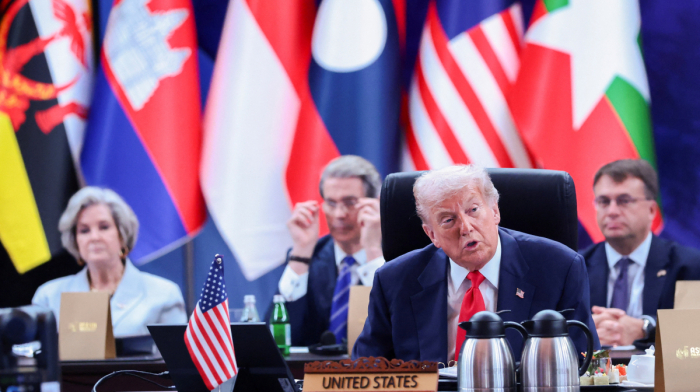
Trump announced the agreement this month as part of efforts to bring down soaring diesel prices before the U.S. midterm elections on 3 November.
On 9 October, he said Russia would immediately export 300,000 metric tons of diesel, or 2.25 million barrels, to the U.S. and global markets. That would be followed by 500,000 tons in November and 1 million tons “immediately thereafter”.
Under the deal, Russia lifted its own ban on diesel exports.
Trump also waived parts of a new U.S. sanctions law targeting Russia. He threatened Europe with a ban on U.S. diesel exports unless countries released more fuel from their emergency reserves to help ease prices.
Contracts and payment questions
Russian Deputy Prime Minister Alexander Novak has said more shipments to the U.S. would follow once companies in both countries finalise the necessary contracts.
Kirill Dmitriev, President Vladimir Putin’s envoy and head of Russia’s sovereign wealth fund, said last week that the U.S. Treasury Department had asked the fund to help resolve difficult payment issues linked to the agreement. A source familiar with the matter said that account was not accurate.
Russian exports return to traditional markets
Since the European Union imposed a full embargo on Russian oil products in February 2023 over the war in Ukraine, Russia has shipped diesel mainly to Türkiye, Brazil and African countries. It also supplies Central Asia by rail.
LSEG and Kpler shipping data published this week showed Russian diesel cargoes resuming voyages to those traditional destinations after Moscow lifted its ban. At least two tankers signalled they were heading to Türkiye and Brazil.
The destinations of other tankers were unclear. LSEG data showed cargoes loaded at Primorsk signalling Gibraltar, the Atlantic Coast or Port Said.
Novak has said Russia will be able to raise diesel exports back to their usual level of three million to 3.5 million tons a month by the end of the year.
The Agioi Fanendes is expected to receive orders on its final port while at sea. Whether its cargo is delivered to the U.S. before or after the 7 November date in the shipping data will determine if the first delivery under Trump’s deal lands, as announced, on American shores.
Read more:


















What is your opinion on this topic?
Leave the first comment