Serbia's Aleksandar Vučić has conceded defeat after a student-led protest movement took the majority of seats in Sunday's parliamentary elections.
Vučić resigned as president in late September and called for snap elections after almost two years of student-led demonstrations triggered by the deaths of 16 people when a train station canopy collapsed in the city of Novi Sad in 2024.
Vučić, a populist and nationalist, had dominated Serbian politics as prime minister or president since 2014.
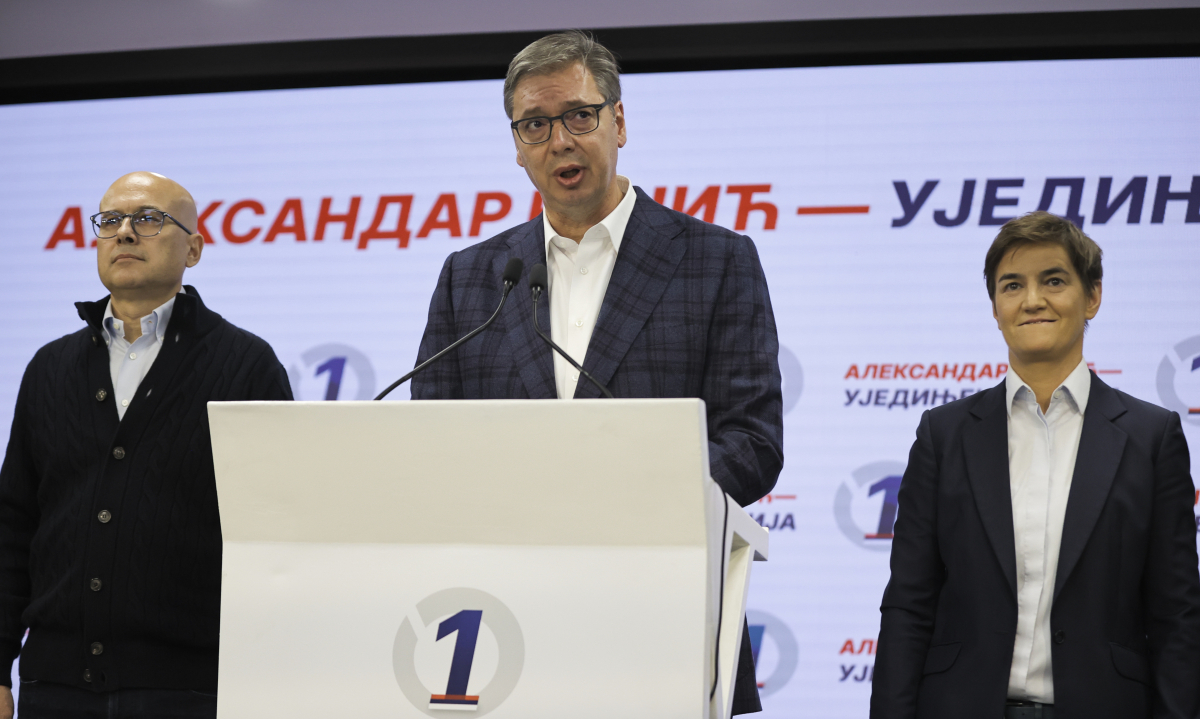
“It is clear that we have lost these elections, the Student List has won,” Vučić said in a televised speech.
Celebrations in the capital
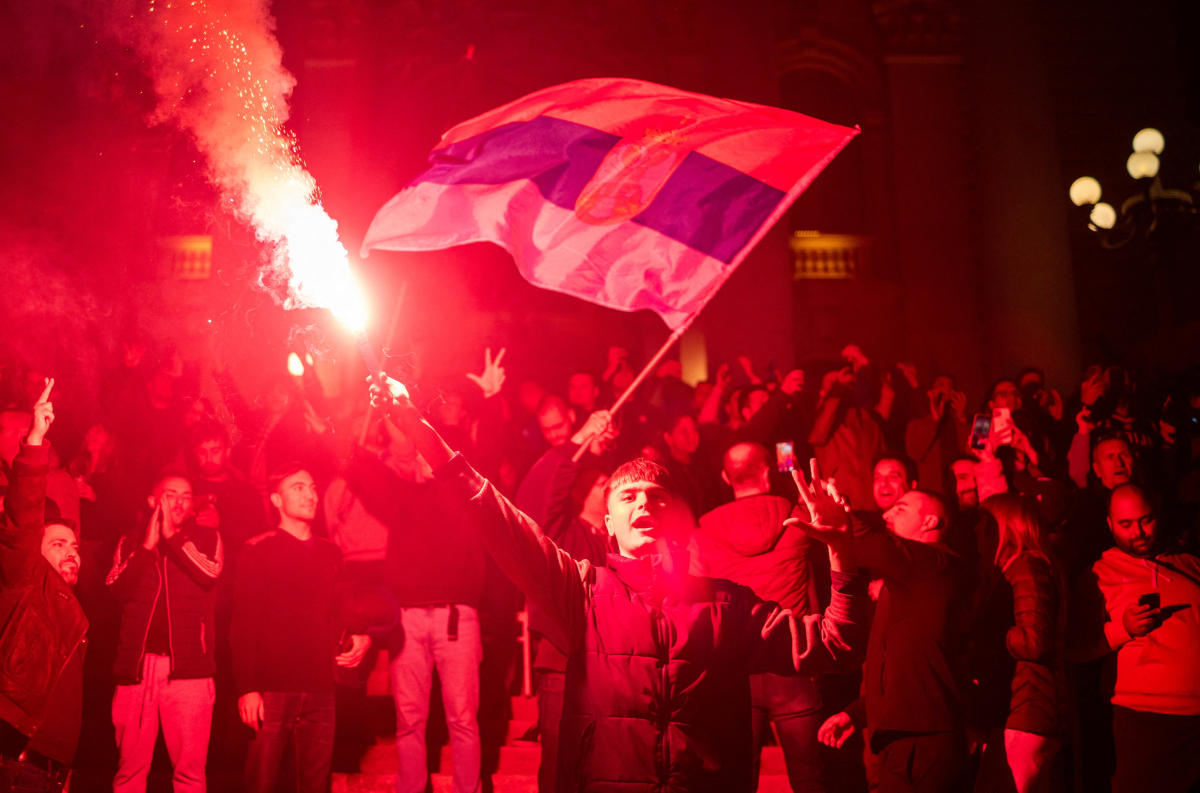
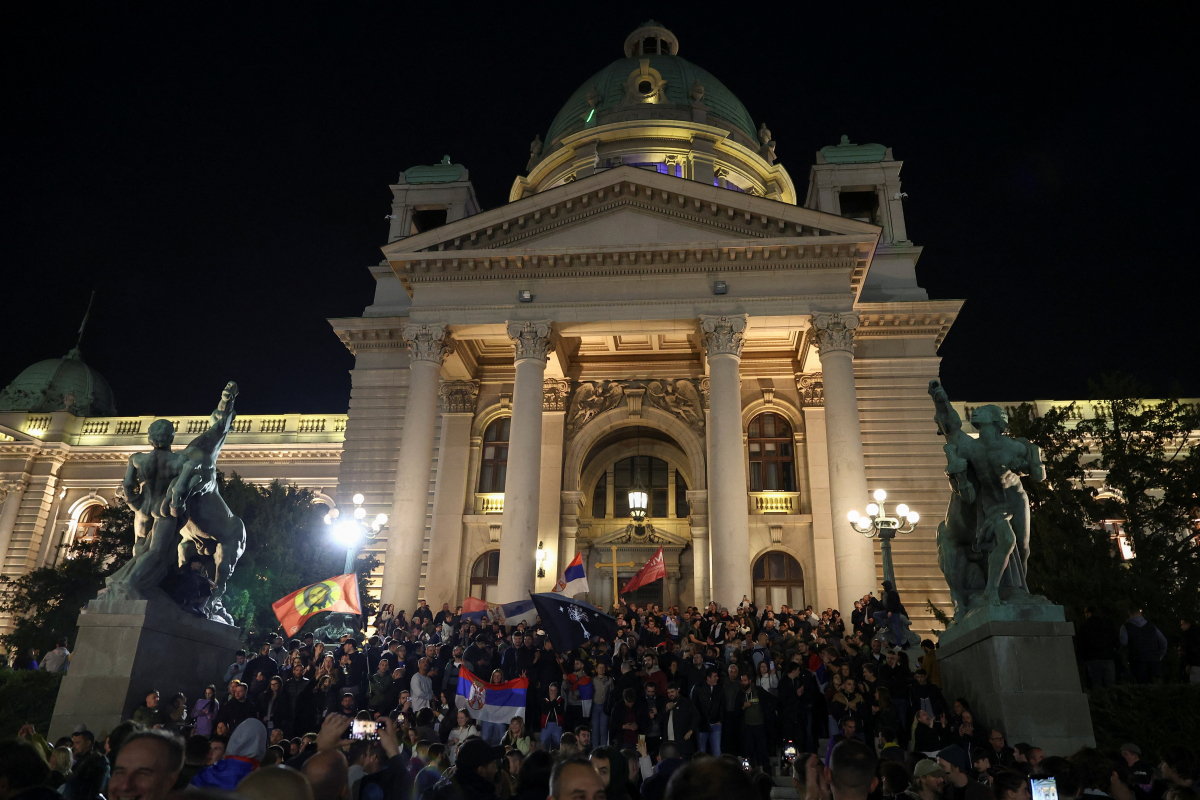
Within moments of his announcement, the streets of Belgrade erupted in celebration. Tens of thousands of people thronged along the city's main boulevards, with cars honking, people dancing and students shouting “victory” and “he's done”.
The students' win marks a profound political shift in the country of some six million people and is reminiscent of the defeat of Hungary's Viktor Orban in April. It may also offer a blueprint for other student movements across Europe, which have taken to the streets in recent weeks to protest, in some cases violently, against poor education standards and a lack of prospects.
Vučić said the students would have between 135 and 140 seats in the 250-seat parliament and that his Serbian Progressive Party (SNS) would have 105, based on preliminary results.
“Dear Serbia, tonight the voice of the people is being heard,” said Radomir Sajcic, a professor at Belgrade University, speaking on behalf of the students at their headquarters.
“Tonight we celebrate victory, tomorrow we build the future.”
European leaders and officials congratulated the Student List on its victory, among them President of the European Commission Ursula von der Leyen and European Commissioner for Enlargement Marta Kos.
“We stand ready to...work together to advance Serbia's future in the European Union,” von der Leyen wrote on X.
Hungarian Prime Minister Peter Magyar assured the students of his country's support.
Kremlin also reacted on Monday. Spokesman Dmitry Peskov said Moscow wants to continue developing ties with Serbia, but that “it takes two to tango”. In a statement, it also said it hopes Serbia's new rulers understand that cooperation with Moscow is in their country's interest.
Record voter turnout
Lines snaked from polling stations in cities and towns across the country earlier in the day, and even Vučić waited for nearly two hours to vote in Belgrade. Pollsters and the election commission put turnout close to 70 per cent, the highest since the breakup of Yugoslavia in 1992.
“(The turnout) did not surprise me because there was a large and strong mass that has formed throughout the past two years,” said voter Katarina Petrovic.
Vučić, who resigned from his second term as president to run again for prime minister, was a strong incumbent and few in the student protest movement dared believe he would concede so fast. Supporters credit him with modernising Serbia's economy and building new highways, railways, schools and hospitals.
“Some businessmen, some people will leave us but our structure is firm, we are very united, very strong, we are used to being in the opposition,” Vučić said.
Uncertainty over student movement's candidates
Much remains unclear about how the student-backed candidates will fare.
Their list of 250 largely unknown candidates includes university professors, actors and farmers, and is led by cardiologist Ilija Srdanovic, who was in tears after Vučić's announcement.
However, it is unclear who will be prime minister and enact the students' domestic agenda, which aims to root out graft and improve schooling. Political analysts predict some kind of purge of Vučić allies in the police, security services and ministries. But the students have been quieter on their international ambitions.
As Vučić did for years, they will have to juggle relations with China, a major investor, Russia, Serbia's traditional ally and principal supplier of natural gas, and the European Union, Serbia's largest trading partner.
The Kremlin reacted to the outcome of the elections on Monday. Spokesman Dmitry Peskov said Moscow wants to continue developing ties with Serbia, but that “it takes two to tango”. In a statement, it also said it hopes Serbia's new rulers understand that cooperation with Moscow is in their country's interest.
Read more:








What is your opinion on this topic?
Leave the first comment