Nigerian health authorities have confirmed a case of Ebola disease in the Federal Capital Territory (FCT), prompting the activation of emergency public health measures aimed at preventing further transmission of the deadly virus.
In a statement issued on Monday, the Federal Government said the patient, a woman who recently arrived in Nigeria from Uganda on an international flight, was admitted to a private hospital in Abuja before laboratory tests confirmed Ebola infection. She is currently being treated in isolation.
The Federal Ministry of Health and Social Welfare, working alongside the Nigeria Centre for Disease Control (NCDC), the FCT Health Services Secretariat and other agencies, said a rapid response operation had been launched immediately after confirmation of the case.
Authorities said 44 close contacts had been identified and were being monitored. Contact tracing is under way and includes healthcare workers, patients, caregivers and travel-related contacts who may have been exposed to the virus. Surveillance activities have also been intensified, while infection prevention and control measures are being strengthened at the hospital involved.
Health officials urged both public and private healthcare facilities across the country to remain on high alert, saying medical workers should maintain a high level of vigilance, rapidly isolate suspected cases and promptly notify public health authorities.
What is Ebola?
Ebola virus disease (EVD) is a severe and often fatal illness caused by infection with viruses of the genus Orthoebolavirus. First identified in 1976 during simultaneous outbreaks in what are now the Democratic Republic of Congo and South Sudan, Ebola has become one of Africa's most feared infectious diseases because of its high mortality rate and potential to spread rapidly in the absence of strict public health controls.
According to the World Health Organization (WHO), Ebola outbreaks have historically recorded fatality rates ranging from around 25 per cent to as high as 90 per cent, depending on the virus strain, healthcare access and speed of response.
The disease typically begins with sudden fever, severe weakness, headaches and muscle pain. Patients may later develop vomiting, diarrhoea and, in severe cases, internal and external bleeding.
How Ebola spreads
Health authorities stressed that Ebola spreads through direct contact with the blood, body fluids or tissues of an infected person, or through exposure to contaminated objects such as bedding, clothing or medical equipment. The virus can also be transmitted through contact with the bodies of people who have died from the disease.
Importantly, individuals cannot spread Ebola before symptoms appear, a factor that makes rapid identification and isolation of cases a critical component of outbreak control.
The government advised Nigerians to observe strict hygiene practices, avoid contact with bodily fluids of anyone suspected of having Ebola and seek medical guidance immediately if symptoms develop after possible exposure.
Nigeria's experience with Ebola
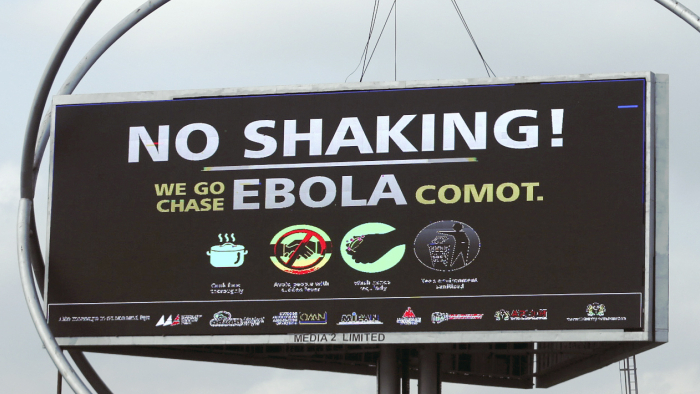
The latest case is likely to revive memories of Nigeria's 2014 Ebola outbreak, which began when an infected traveller arrived in Lagos from Liberia during the largest Ebola epidemic ever recorded in West Africa.
That outbreak threatened to spread through one of Africa's largest cities and beyond. However, Nigerian authorities mounted an aggressive containment campaign involving extensive contact tracing, public awareness campaigns and isolation measures. The country was eventually declared Ebola-free by the WHO after successfully interrupting transmission.
The Nigerian government highlighted that experience in its latest statement, saying the country has previously demonstrated its ability to contain Ebola and possesses the public health expertise needed to respond effectively.
Regional concerns
The confirmation of an imported case underscores ongoing concerns about cross-border disease transmission in an era of increasing international travel. Uganda has experienced Ebola outbreaks in recent years, prompting heightened surveillance measures across East and Central Africa.
Public health experts note that imported cases can present significant challenges because infected individuals may travel before symptoms become severe enough to prompt testing or isolation.
The identification of travel contacts among the 44 people currently under monitoring suggests authorities are focusing on preventing any potential secondary transmission linked to the patient's journey into Nigeria.
Government appeals for calm
Officials emphasised that there is currently no need for panic, urging Nigerians to rely on verified information rather than rumours or misinformation. The government also warned against stigmatising patients or individuals being monitored as part of contact-tracing efforts.
The Health Ministry and NCDC said investigations remain ongoing and pledged to provide regular updates as more information becomes available.
“Early detection, prompt reporting and everyone's cooperation are critical to preventing further spread,” the government said.
For now, health authorities are concentrating on monitoring identified contacts, strengthening surveillance systems and ensuring healthcare facilities nationwide are prepared to respond should additional suspected cases emerge. With memories of the successful 2014 response still fresh, officials say Nigeria's immediate goal is to quickly contain the virus and prevent a wider outbreak.
Read more:














What is your opinion on this topic?
Leave the first comment