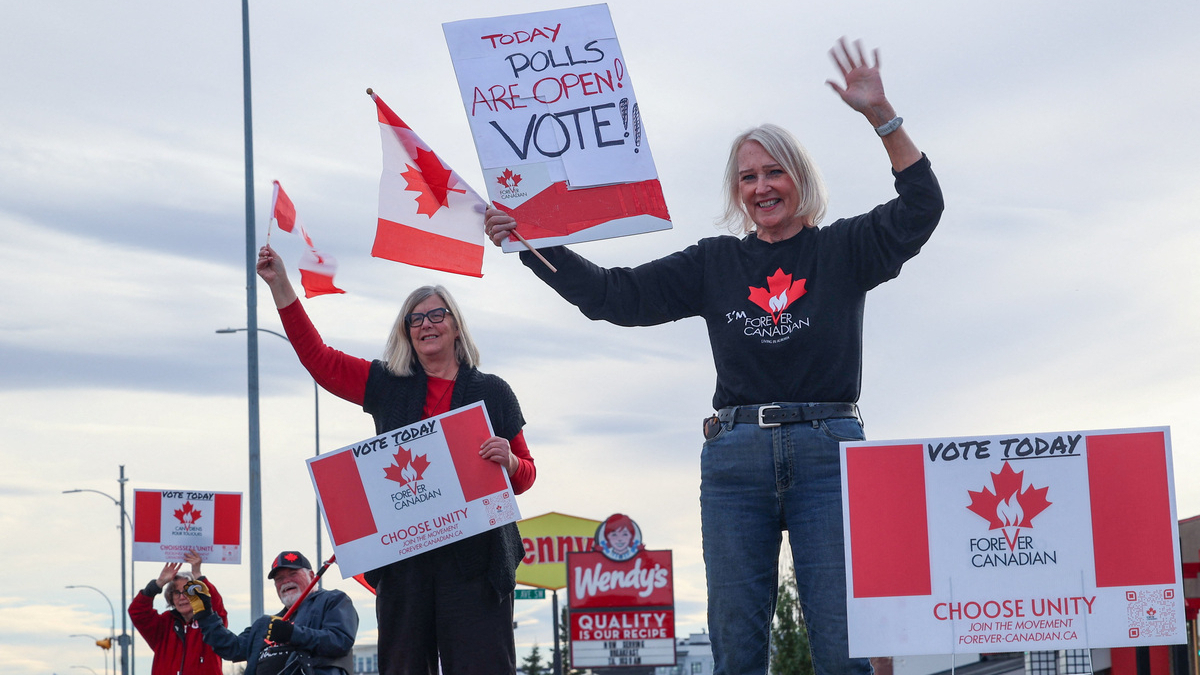
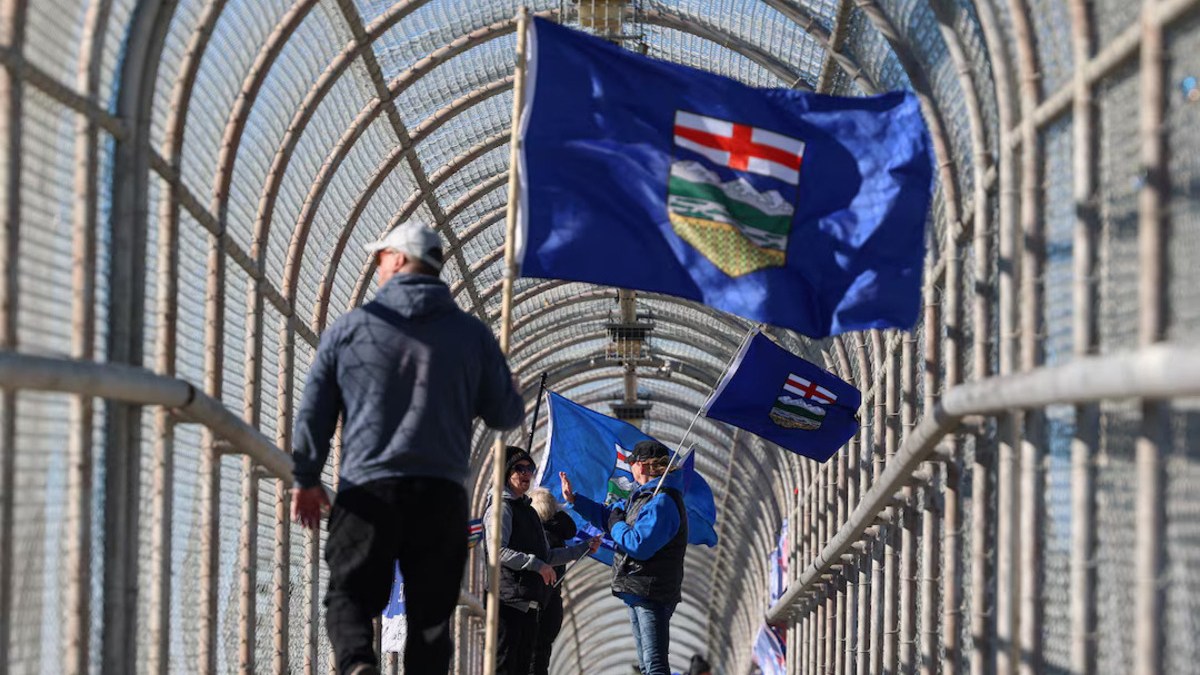
Canada’s oil-rich province of Alberta voted to remain part of the country in a non-binding referendum on Monday, 19 October, CBC News reports, delivering a much-needed victory for Prime Minister Mark Carney amid an ongoing trade war with the United States.
The referendum asked residents whether Alberta should remain part of Canada or begin the legal process required to hold a binding vote on separation.
Although polls had consistently indicated limited support for independence, analysts say the separatist movement could persist despite the result.
Longstanding economic grievances have fuelled separatist sentiment in the western province, home to around five million people, with disputes over energy policies and federal economic contributions remaining central to tensions with Ottawa.
The result comes as Canadian Prime Minister Mark Carney seeks to strengthen national unity amid U.S. tariffs and President Donald Trump's repeated suggestions that Canada should become America's 51st state. Carney has made protecting Canada's sovereignty a central priority of his government.
Supporters of Alberta's independence argue that environmental regulations imposed by the Liberal-led federal government have restricted the province's oil industry. They also maintain that Alberta, Canada's energy-producing heartland, contributes more to the national economy than it receives in federal support.
“Canada has an imbalanced system which feeds the central population and government at the expense of the outlying producing provinces such as Alberta,” said Cory Morgan, founder of the pro-independence advertising group Pathway to Independence.
Carney, who grew up in Alberta, spent much of the week leading up to the vote campaigning for the province to remain part of Canada, encouraging voter participation and appealing to national unity.
Referendum results and public opinion
Polling stations were originally scheduled to close at 8 p.m. local time on Monday. However, Elections Alberta announced that several locations had opened late and would remain open longer to ensure voters had sufficient time to cast their ballots.
One polling station in Edmonton was permitted to remain open until 10 p.m., delaying the publication of unofficial results until all voting locations had closed.
An Angus Reid survey released on Friday, 16 October, found that 66 per cent of Albertans planned to vote to remain in Canada, but three in five believed “there will never be an end to the separatist movement” in the province.
“This issue is not going away now. Because the separatists are mobilised. They've networked. They're connected,” said Mount Royal University political scientist Duane Bratt in Calgary.
Although separatist sentiment has existed in Alberta for decades, Premier Danielle Smith is the first provincial leader to put the question of independence directly to voters.
Smith, who has publicly supported remaining in Canada, called the referendum following months of pressure from a vocal pro-independence faction within her governing United Conservative Party.
The referendum was non-binding, and a vote in favour of beginning the separation process would have opened the way for a future legally binding referendum on independence.
“Separating, to my point of view, is completely ridiculous,” said Calgary resident Ross Watson, who voted to remain in Canada during advance polling.
“I think the grievances that people have are completely unfounded. But I also think these people will probably never shut up.”
Economic grievances fuel separatist sentiment
Monday's vote marked the first referendum on separation from Canada held in a province outside predominantly French-speaking Quebec, where independence campaigns have traditionally centred on language and cultural identity.
In Alberta, the debate has largely focused on economic issues, particularly the province's energy industry and its financial relationship with the federal government.
Carney has sought to counter those concerns by emphasising the importance of national unity.
“Canada is not a transaction between provinces. It's not about gross and net, gives and gets,” he said during a visit to Red Deer, Alberta, on Friday.
His government has also reversed some environmental policies and backed a proposed oil pipeline intended to increase Alberta's energy exports to Asian markets.
The Angus Reid survey revealed that, among Albertans who would support separation in a future binding referendum, 60 per cent said their primary motivation was to send a message to Ottawa. Only 37 per cent said they were motivated by a desire to establish an independent country.
While separatist organisations have outlined possible plans for Alberta's transition to independence, major questions remain unanswered, including how the province would manage defence, currency arrangements and border controls.
Despite the vote to remain in Canada, political analysts say Alberta's separatist movement is unlikely to disappear, with independence supporters expected to continue pressing their demands.
Bratt suggested that the movement's future would depend on whether independence supporters continue campaigning for another referendum or establish a separate political party.
“Do they focus on generating support for a future referendum? Or do they splinter off and create their own party — a real, powerful separatist party?” he said.
More news from Canada:


















What is your opinion on this topic?
Leave the first comment