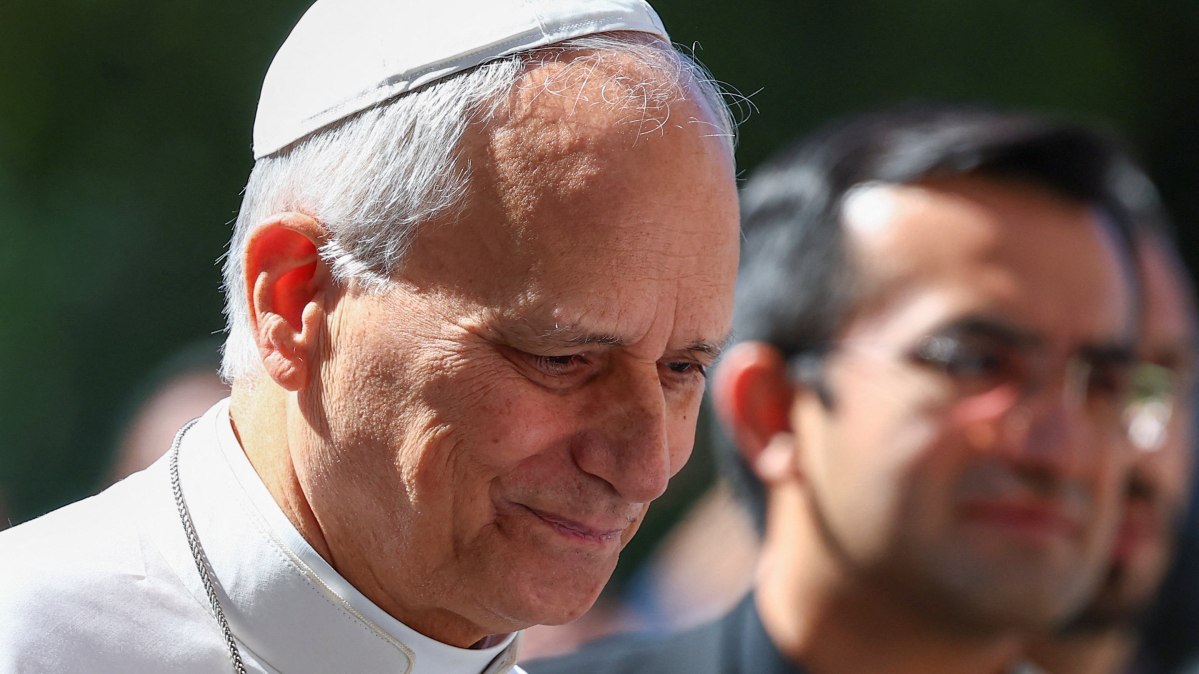
Pope Leo has been diagnosed with lung adenocarcinoma, the most common type of lung cancer, after surgeons removed the lower lobe of his right lung. The Vatican says the tumour was detected during a routine health check, but its stage and whether it has spread remain unknown.
What is lung adenocarcinoma?
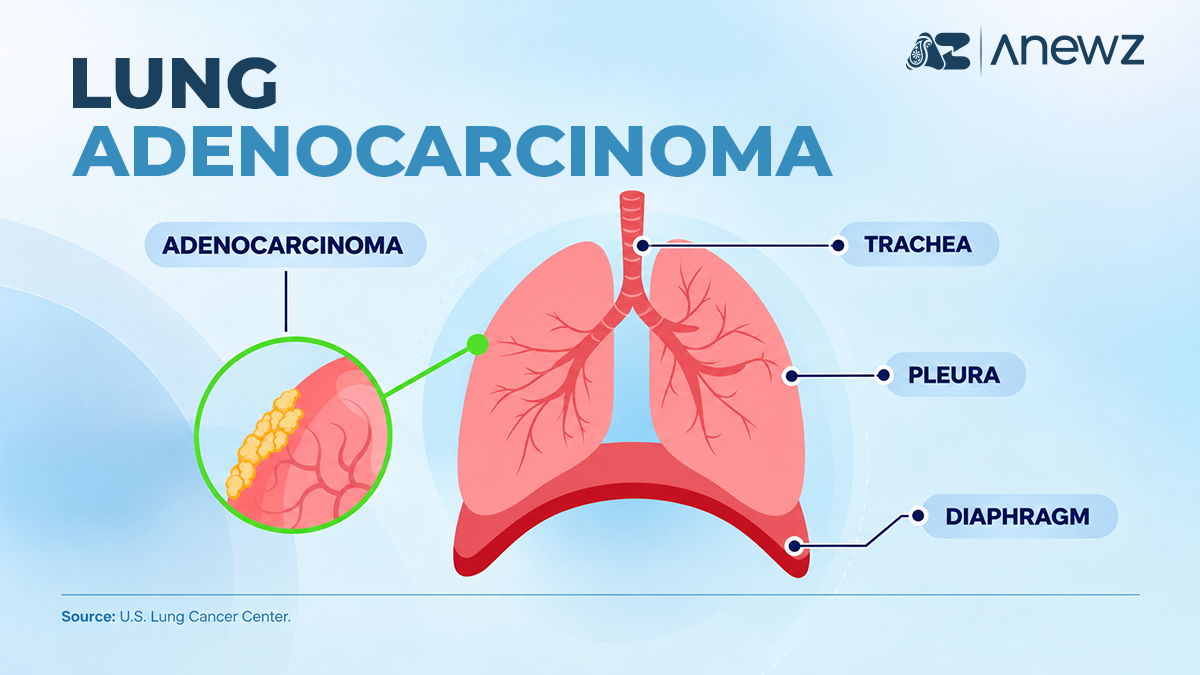
Lung adenocarcinoma is a cancer that develops in glandular cells responsible for producing substances such as mucus. It typically begins in cells lining the lungs' airways and air sacs, often in their outer regions.
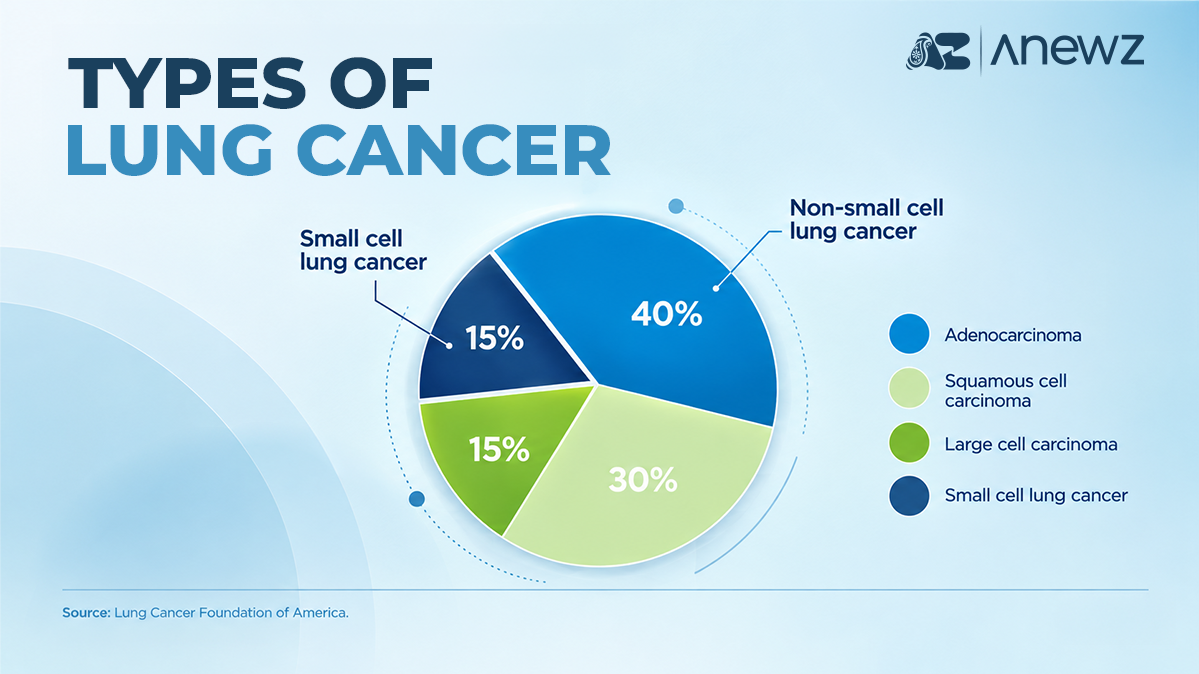
It is a form of non-small cell lung cancer (NSCLC), which accounts for around 80 to 85 per cent of lung cancer cases. Adenocarcinoma is the most common subtype, accounting for about 40 per cent of all cases, according to the Lung Cancer Foundation of America.
The disease tends to grow more slowly than some other forms of lung cancer, meaning it can sometimes be detected before spreading. However, its progression varies between patients, and even slow-growing tumours can be dangerous.
Who is most at risk?
Smoking remains the leading risk factor for lung cancer, including adenocarcinoma. But the disease also affects people who have never smoked and is the most common type of lung cancer among non-smokers.
Other risk factors include exposure to second-hand smoke, radon, air pollution and certain hazardous substances in the workplace. A family history of lung cancer can also increase the risk.
The disease is therefore not confined to people with a history of smoking.
What are the symptoms?
Lung adenocarcinoma can develop without obvious warning signs, particularly in its early stages. Some cases are discovered by chance during scans or routine medical examinations.
When symptoms do appear, they may include:
- A persistent or worsening cough
- Shortness of breath or wheezing
- Coughing up blood
- Chest, shoulder or back pain
- Unexplained weight loss
- Persistent fatigue
These symptoms are not unique to lung cancer and can have other causes.
In Pope Leo’s case, the Vatican said the tumour was detected during a routine health check. The pontiff described the growth as “well-contained” and said it had been caught early. However, further medical information is needed to determine how far the disease has progressed.
How is lung adenocarcinoma treated?
Treatment varies depending on the tumour's size and location, whether it has spread to nearby lymph nodes or other organs, and the patient's overall health.
When cancer is confined to the lung, surgery to remove the tumour can offer the best chance of a cure.
Pope Leo underwent a lobectomy, an operation to remove an entire section, or lobe, of the lung. The right lung has three lobes and the left has two. Surgeons removed the lower lobe of his right lung using a video-assisted surgical technique.
The Vatican said the operation was successful, with no complications reported. Although the procedure was intended to remove the cancerous tissue, it remains unclear whether further treatment will be necessary.
Depending on the cancer's stage and characteristics, treatment may also involve chemotherapy, radiotherapy, targeted therapy or immunotherapy. Targeted treatments attack specific molecular changes in cancer cells, while immunotherapy helps the body's immune system identify and fight cancer.
Additional treatment may be recommended after surgery if tests suggest cancer cells could remain or the disease may return.
What are the chances of recovery?
A patient's prognosis depends largely on how far the cancer has spread by the time it is diagnosed.
Doctors consider the tumour's size and location, whether nearby lymph nodes are affected and whether cancer has reached other organs. These findings determine the disease's stage and help guide treatment.
According to the American Cancer Society, five-year relative survival rates for non-small cell lung cancer are approximately:
- 67% when the cancer is confined to the lung
- 40% when it has spread to nearby tissues or lymph nodes
- 12% when it has spread to distant parts of the body
These figures reflect outcomes across large groups of patients and cannot predict an individual's chances of survival. They also cover all forms of non-small cell lung cancer, rather than adenocarcinoma alone.
Outcomes vary depending on the tumour's characteristics, a patient's general health and the treatments available. Advances in cancer care may also improve the outlook for people diagnosed today.
What is known about Pope Leo’s condition?
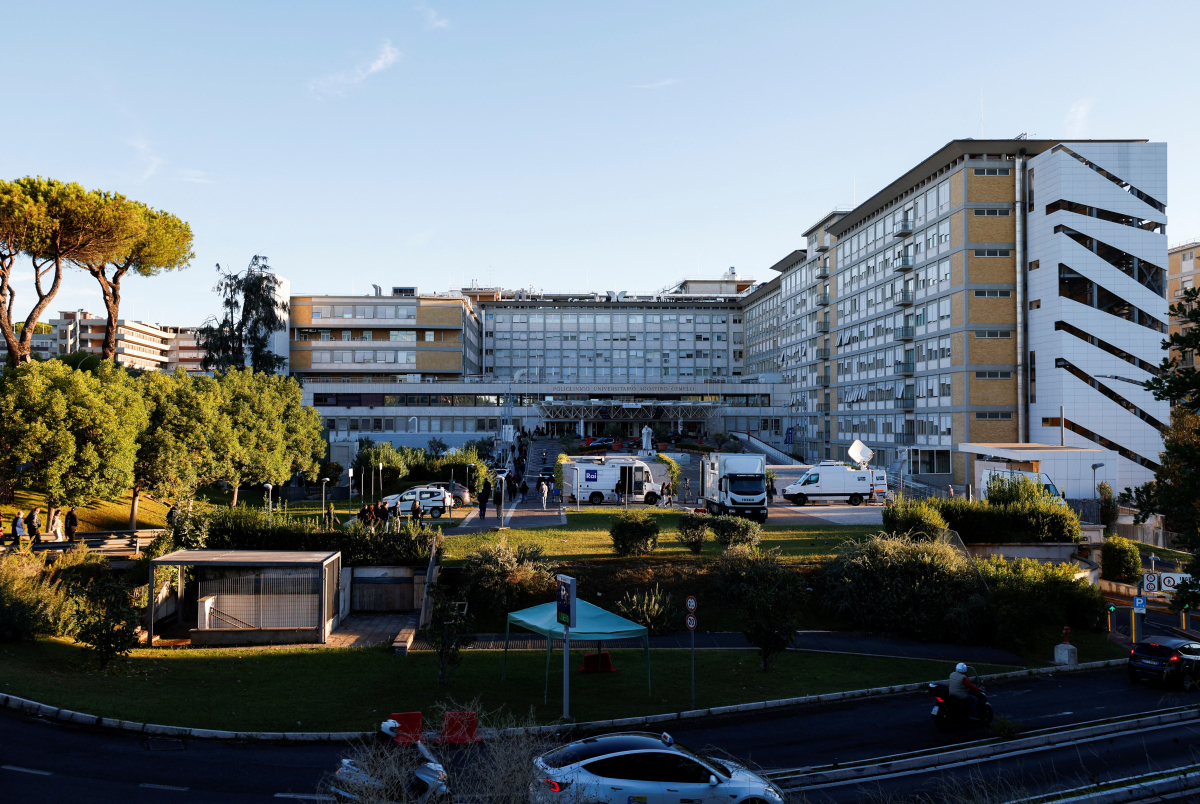
The 71-year-old pontiff underwent surgery at Rome’s Gemelli Hospital after doctors discovered a growth during a routine health check. According to the Vatican, tissue tests performed during the operation confirmed the suspected diagnosis of lung adenocarcinoma.
Leo regained consciousness normally after the procedure and was taken back to his hospital room to recover.
The Vatican said he was expected to stay in hospital for around a week, with public engagements cancelled until 20 October.
Although the diagnosis and successful operation have been confirmed, key questions remain unanswered, including the cancer's stage, whether it has spread and whether the Pope will require further treatment.
Read more:


















What is your opinion on this topic?
Leave the first comment