The United States has unveiled a new round of sanctions targeting Iran's energy exports, taking aim at vessels, companies and individuals accused of helping move Iranian crude oil, petroleum products and petrochemicals to overseas markets.
The measures, announced by the U.S. Treasury Department, form part of Washington's broader effort to restrict revenue streams that American officials say are used to fund Iran's military activities, missile programme, cyber operations and the Islamic Revolutionary Guard Corps (IRGC).
U.S. authorities said the sanctions target what they describe as a sprawling international network used to transport Iranian energy products despite existing restrictions.
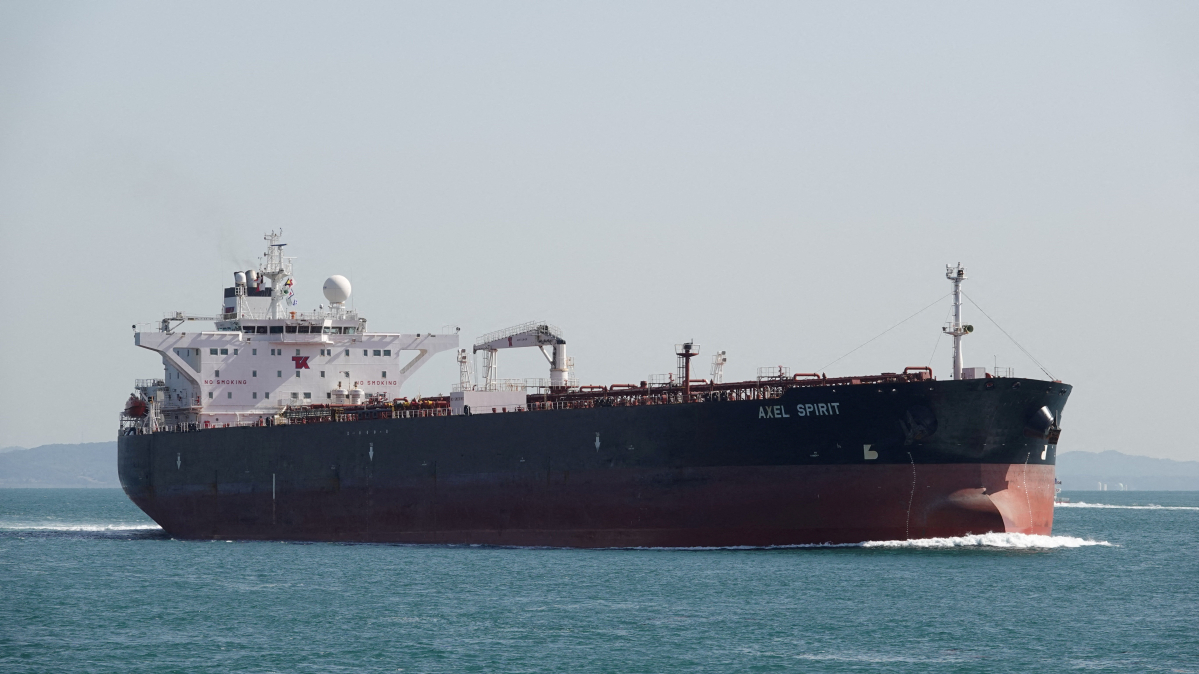
Seventeen vessels were added to the sanctions list, alongside companies linked to the operation of tankers and the movement of Iranian oil cargoes. According to the Treasury Department, the ships are registered across multiple jurisdictions, including Panama, the Bahamas, Palau, Cameroon, Mongolia and Hong Kong.
Washington says the fleet relies on complex ownership structures and shell companies to conceal the origin and destination of cargoes.
Treasury Secretary Scott Bessent said the latest measures are designed to deprive Tehran of funding sources that the United States believes support military and regional activities.
Pressure on Iran's oil trade
The latest action deepens the economic pressure campaign that intensified after U.S.-Iran efforts to reach a broader understanding over the conflict and regional tensions broke down earlier this year.
U.S. officials argue that sanctions and maritime restrictions have significantly disrupted Iran's ability to move oil to international buyers. They also claim that Iranian export operations have become increasingly constrained by enforcement measures targeting tanker movements and shipping logistics.
American officials described the operation as one of the largest actions taken so far against the maritime networks involved in Iranian energy exports.
Diplomacy continues alongside pressure
Despite the tougher sanctions, Washington has continued to signal interest in diplomatic engagement.
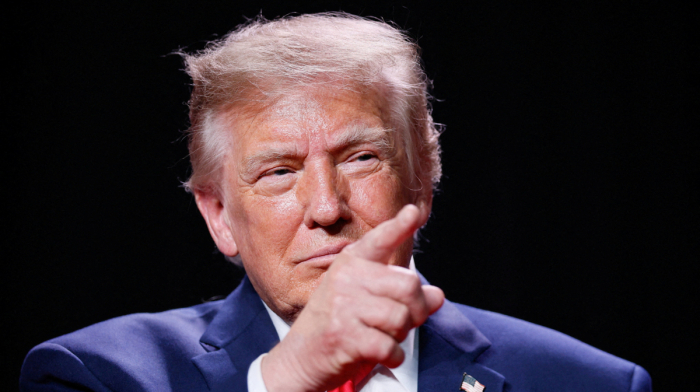
President Donald Trump said this week that discussions with Iran remain constructive and indicated that the United States is not planning military action against Iran before the November midterm elections.
The simultaneous pursuit of economic pressure and diplomatic contacts reflects the complex state of relations between the two countries, which remain divided on regional security issues, sanctions and nuclear-related concerns.
Some observers believe the practical impact of the latest sanctions could be limited.
Analysts note that many of the newly sanctioned vessels may have already completed deliveries or altered their operating patterns in anticipation of additional restrictions. Others argue that Iran has developed alternative methods for moving oil and maintaining exports despite years of sanctions.
Critics of the U.S. approach contend that targeting vessels after cargoes have already been delivered may have less effect on current oil flows than on future shipping arrangements.
The sanctions underscore Washington's determination to maintain economic pressure on Tehran while attempting to curb Iranian energy revenues.
For Iran, whose economy continues to rely heavily on oil and petrochemical exports, restrictions on shipping and financial networks remain among the most significant external challenges.
Whether the latest sanctions alter Iran's export capacity in a meaningful way remains unclear, but they mark another escalation in the economic confrontation that continues alongside diplomatic efforts and regional security tensions.
Read more:

















What is your opinion on this topic?
Leave the first comment