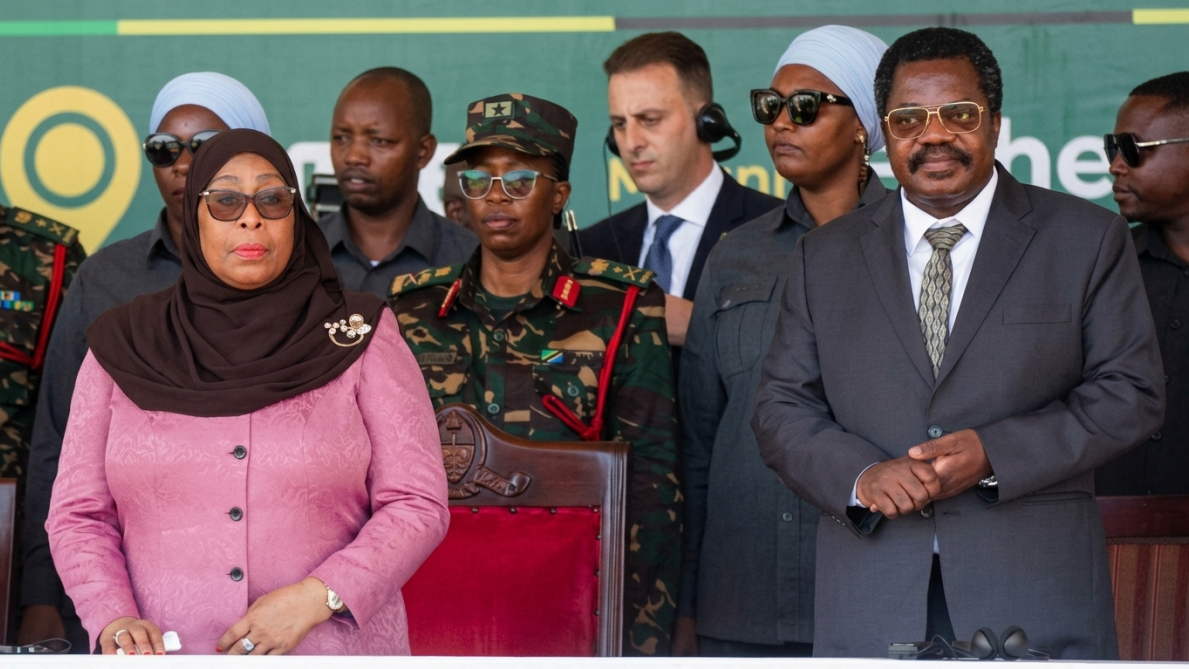
Tanzania's political establishment has been shaken by the unexpected resignation of Vice President Emmanuel Nchimbi, less than a year after taking office, in a move that has fuelled speculation about divisions at the highest levels of government.
Nchimbi, who was sworn in alongside President Samia Suluhu Hassan following last year's election, announced that he would leave office on 4 September. In a brief statement, he indicated that he believed the president wanted a different deputy and that stepping aside was the appropriate course of action.
While neither Nchimbi nor the presidency publicly detailed the reasons for his departure, political observers in Tanzania say the resignation follows months of apparent tension between the two leaders. The government has confirmed that constitutional procedures will now be initiated to appoint a new vice president.
The departure is remarkable in a country where political continuity has long been one of the ruling Chama Cha Mapinduzi (CCM) party's defining strengths. Tanzania has been governed by CCM since independence in 1961, with leadership transitions generally managed without major public disputes.
Signs of growing differences
In recent weeks, Nchimbi had begun taking positions that some analysts viewed as increasingly independent from the government line.
One of the most notable moments came when he publicly called for Tanzanians to push for a new constitution, arguing that constitutional reform could help strengthen democracy, human rights and good governance.
The remarks attracted attention within political circles and drew criticism from some figures within the ruling party, who questioned the timing and necessity of reopening debates over constitutional reform.
For many observers, the comments pointed to broader disagreements over the future direction of Tanzania's political system and how the country should respond to mounting domestic and international criticism following the 2025 election.
Election fallout still looms
The resignation comes against the backdrop of one of the most turbulent periods in Tanzania's recent political history.
President Hassan secured a decisive victory in last year's presidential election, but the vote was overshadowed by controversy after several prominent opposition figures were prevented from competing.
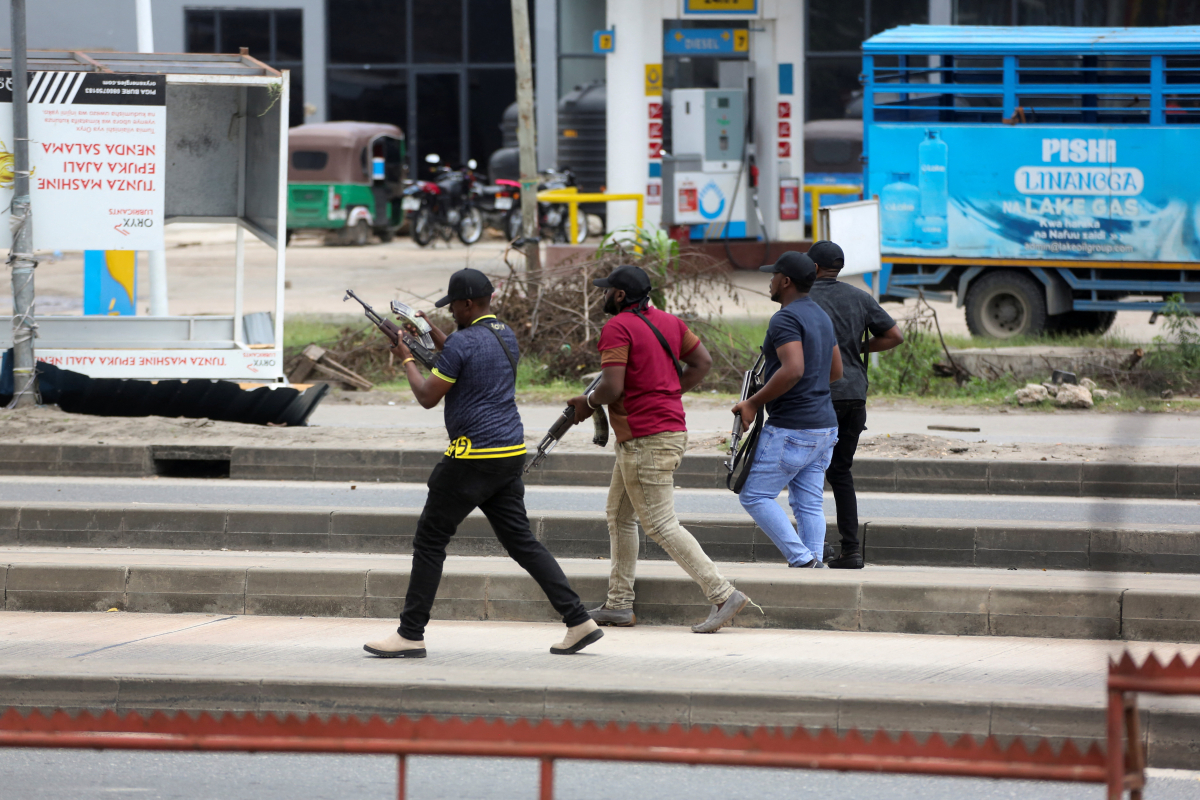
The aftermath saw widespread unrest across parts of the country. Demonstrations and clashes with security forces left hundreds dead, according to a government-appointed inquiry, making it one of the deadliest episodes of political violence in Tanzania's post-independence history.
The unrest was particularly striking because Tanzania has traditionally cultivated an image as one of East Africa's most stable states, known for peaceful politics, tourism and strong economic growth.
The deployment of military forces to support police operations, along with a temporary internet shutdown, drew condemnation from rights groups and concerns from international partners. President Hassan later apologised for the internet blackout and pledged that such a measure would not be repeated.
Pressure on President Hassan
Hassan, who became Tanzania's first female president in 2021 after the death of former president John Magufuli, initially earned praise for opening political space and improving relations with critics of the government.
However, that reputation has been tested in recent years as opposition groups, civil society organisations and international observers have raised concerns about political freedoms and the treatment of government opponents.
One of Hassan's most prominent rivals, opposition leader Tundu Lissu, remains behind bars facing treason charges that he and his supporters describe as politically motivated.
Against that backdrop, the resignation of a sitting vice president is likely to intensify scrutiny of the administration and reignite debate about the direction of governance in the country.
What happens next?
Under Tanzania's constitution, President Hassan will nominate a replacement vice president, who must then secure parliamentary approval.
The choice will be closely watched both within CCM and beyond. It will offer an indication of whether Hassan intends to consolidate authority around loyal allies or attempt to bridge internal divisions that may have emerged following the election.
For now, Nchimbi has indicated that he plans to retire from public office and return to private life, ending a political career that included senior cabinet positions, leadership roles within CCM and diplomatic postings abroad.
His resignation marks an unusual moment in modern Tanzanian politics. In a system that has long prized stability and unity, the departure of a vice president after less than 10 months in office raises fresh questions about the balance of power inside the country's ruling establishment and the challenges facing President Hassan.

















What is your opinion on this topic?
Leave the first comment