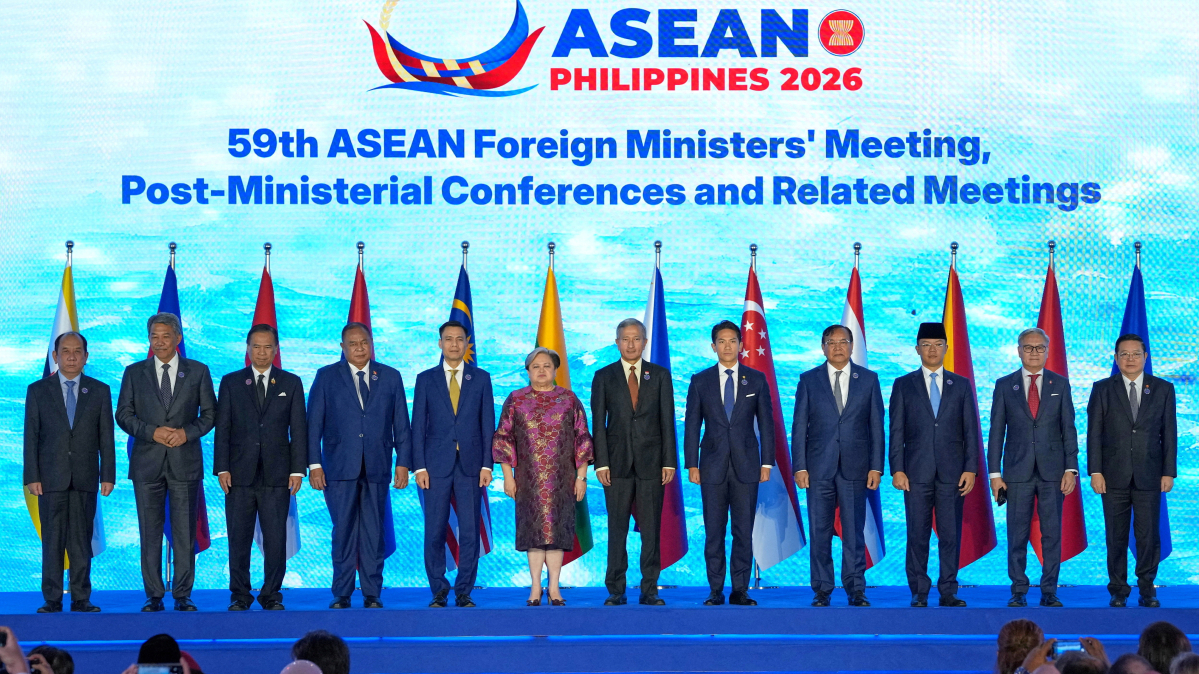
Southeast Asian foreign ministers called for restraint on Tuesday as renewed conflict in the Middle East overshadowed regional talks in Manila, warning that escalating violence could derail diplomatic efforts and threaten global stability.
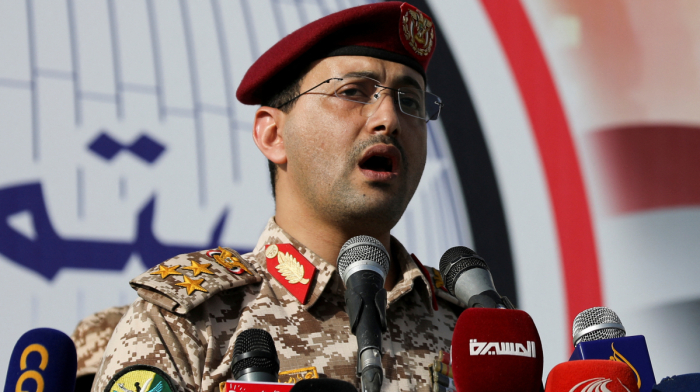
In a joint statement issued after a closed-door meeting, ministers from the Association of Southeast Asian Nations (ASEAN) said they were "deeply concerned" by the renewed hostilities.
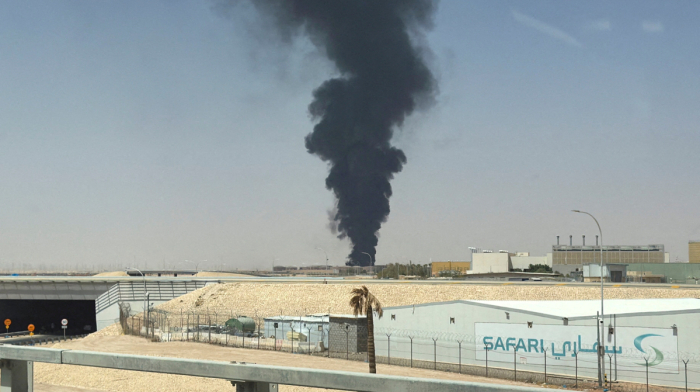
The talks come amid renewed conflict involving the U.S. and Iran, raising concerns over energy supplies through the Strait of Hormuz and the potential impact on inflation and global economic growth.
Southeast Asia, a major oil-importing region with a combined GDP of $3.8 trillion, is seeking to accelerate an ASEAN oil-sharing mechanism to help cushion the impact of potential supply disruptions.
South China Sea tensions remain in focus
ASEAN ministers are also expected to discuss the conflict in Myanmar and efforts to finalise a long-delayed code of conduct for the South China Sea.
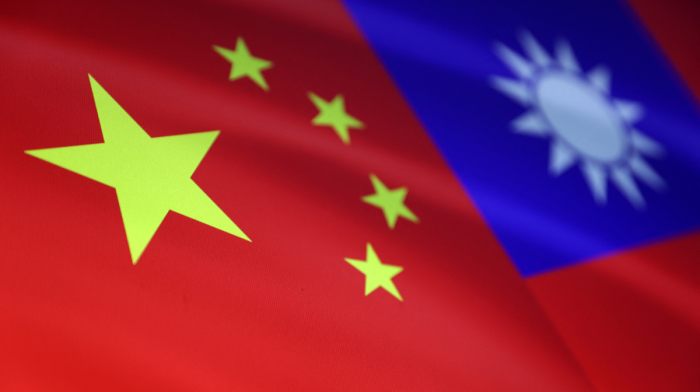
Tensions between the Philippines and China have intensified after Manila accused the Chinese Coast Guard of assaulting a Philippine sailor near the disputed Second Thomas Shoal. Both countries have since summoned each other's ambassadors.
China said ASEAN should not be used to address bilateral maritime disputes.
"The Philippines should earnestly fulfil its duties as ASEAN's rotating chair, promote dialogue and cooperation, rather than placing its own political interests above regional peace and stability," China's foreign ministry said.
Rubio reaffirms U.S. support
U.S. Secretary of State Marco Rubio and Chinese Foreign Minister Wang Yi are expected to meet on the sidelines of the ASEAN gathering.
In an opinion article published on his arrival in Manila, Rubio reaffirmed U.S. support for freedom of navigation in the South China Sea.
"If those waters fall under the control of a power willing to use commerce as a geopolitical weapon, both the United States and the ASEAN states would face dire new threats to their sovereignty, security and economic futures," Rubio wrote.
Rubio also reiterated U.S. support for the 2016 international arbitration ruling rejecting China's sweeping claims in the South China Sea, a decision Beijing continues to reject.













What is your opinion on this topic?
Leave the first comment