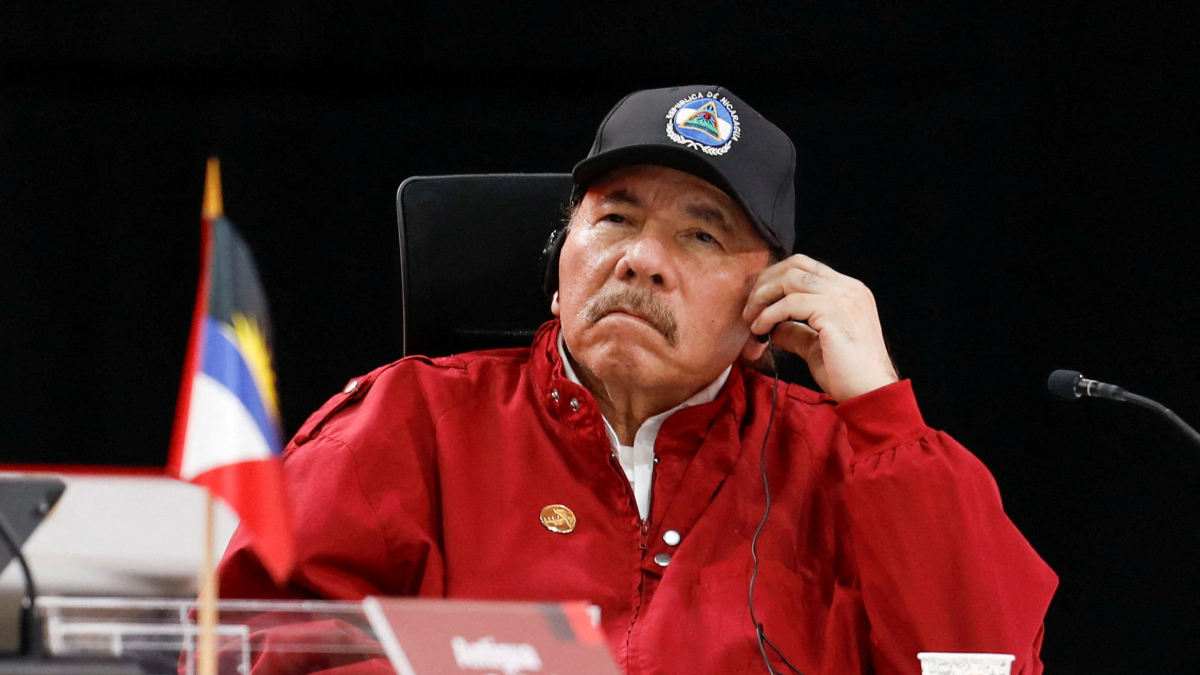
Nicaraguan President Daniel Ortega has declared that the country will no longer hold elections, signalling a dramatic end to any remaining prospect of electoral competition and further consolidating the power he shares with his wife, Rosario Murillo.
Speaking during celebrations marking the anniversary of the 1979 Sandinista revolution, Ortega said opposition groups would no longer have an opportunity to challenge his government through elections once his current term expires next year.
"There won't be any more elections here for them to try to seize the government and seize power," Ortega said in a speech on Sunday.
The 80-year-old leader, who has governed Nicaragua continuously since 2007 after first serving as president in the 1980s, did not provide details on how the policy would be implemented. He said the move was intended to prevent parties aligned with the United States or supporters of the former Somoza regime from returning to power.
Power concentrated in Ortega-Murillo leadership
Ortega's comments come after a series of constitutional changes that have significantly expanded his authority.
Last year, Nicaragua approved reforms that formally named his wife, Rosario Murillo, as co-president and extended presidential terms from five years to six. The couple now exercises control over key state institutions, including the judiciary, security forces and government administration.
The move has drawn international criticism. The United Nations Human Rights Council has accused the Ortega government of transforming Nicaragua into an authoritarian state and committing systematic human rights violations.
Opposition sees move as end of democratic competition
Critics and opposition figures in exile said Ortega's remarks confirmed what they describe as the effective elimination of democratic competition in Nicaragua.
Felix Maradiaga, a former opposition presidential hopeful who was jailed before being expelled from the country, said the declaration reflected the government's determination to prevent any future electoral challenge.
Analysts noted that Nicaragua's previous elections in 2011, 2016 and 2021 were already heavily criticised by opponents and international observers. The 2021 vote was particularly controversial after several opposition figures were detained ahead of the election.
Ortega's government has faced mounting accusations of repression since a 2018 crackdown on anti-government protests in which more than 300 people were killed, according to rights groups.












What is your opinion on this topic?
Leave the first comment