The French region of Corsica has cleared the latest hurdle to pave the way toward gaining powers to pass its own laws in housing, local economy and culture, after France’s National Assembly approved a bill granting the Mediterranean island unique autonomous status within the country.
Centrists, left-wingers and Corsican deputies carried the bill forward, with 271 voting in favour, compared to 202 against. France’s far-right National Rally and the right-wing Republicans voted against the bill.
The proposed legislation would also add a new line to France’s constitution recognising the historical, linguistic and cultural community of the island of 356,000 people.
But the bill falls short of recognising the Corsican people as a legal or constitutional category, nor does it make Corsican an official language, alongside French -- both longstanding demands of Corsican nationalists.
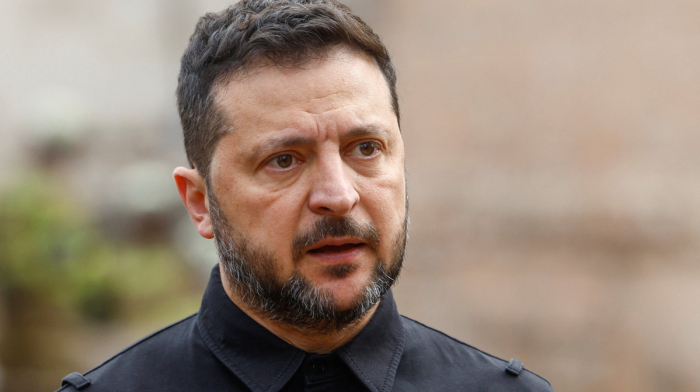
Gilles Simeoni, former Mayor of the island’s second largest city Bastia and former head of the island’s primary governing body, is the architect of the autonomy bill.
He told French newspaper Le Monde in June that a rejection of the bill would be “received as a denial of democracy by Corsican society.”
Opponents have expressed concerns that the bill threatens the indivisibility of the French Republic.
The next test for the bill will be in France’s upper house, the Senate, where the Republicans hold the most seats. Senate President Gérard Larcher is a vocal critic of the bill.
If it passes there, the bill would then require three-fifths of lawmakers to vote in favour, at a joint final parliamentary session of the Senate and National Assembly.
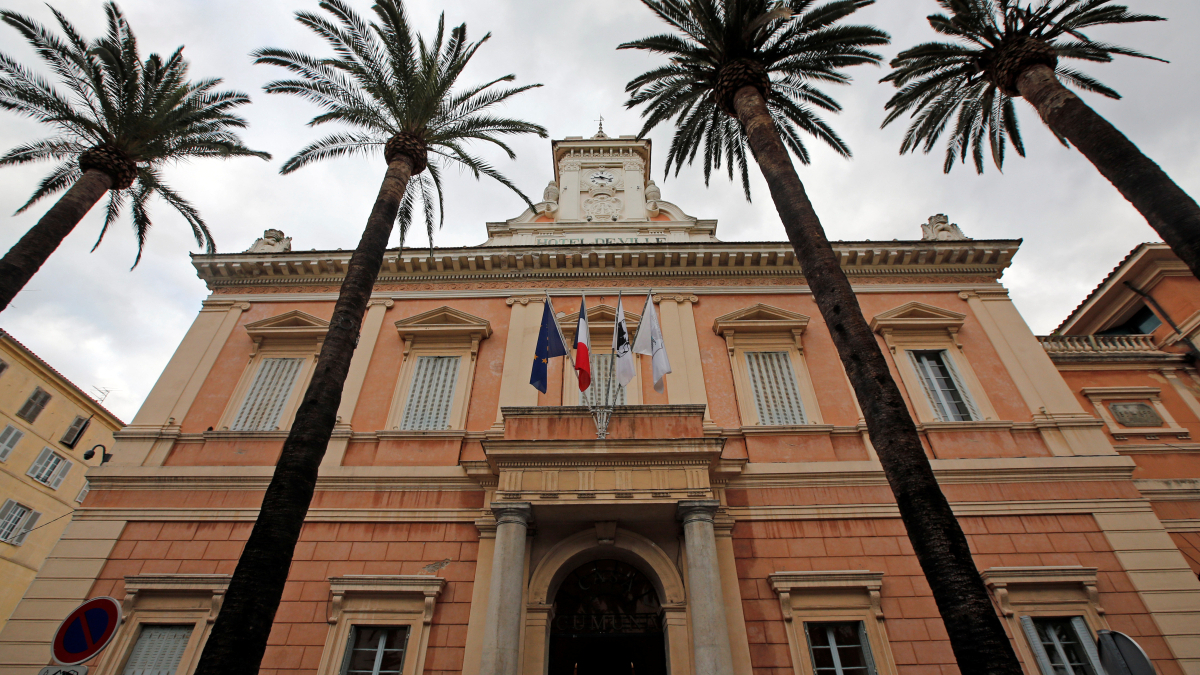
Corsica has been part of France since 1769 and one of the country’s most famous historical figures, Napoleon Bonaparte, was born in the island’s capital Ajaccio.
But since the 1960s, a nationalist movement has emerged on the island, which either argues for more autonomy from France or total independence.
















What is your opinion on this topic?
Leave the first comment