Sudan's army-backed government has signalled conditional support for a new U.S. proposal aimed at ending the country's three-year civil war, but insists that any agreement must include the complete withdrawal of the paramilitary Rapid Support Forces (RSF) from all cities they have occupied.
Sudan's army-backed government has signalled conditional support for a new U.S. proposal aimed at ending the country's three-year civil war, but insists that any agreement must include the complete withdrawal of the paramilitary Rapid Support Forces (RSF) from all cities they have occupied.
According to documents seen by Reuters and confirmed by senior Sudanese officials, the U.S. proposal calls for an immediate 90-day humanitarian truce between the warring sides. The ceasefire would provide space for negotiations on a permanent peace agreement and a transition towards civilian-led elections.
The proposal also envisages a United Nations-led mechanism to oversee limited RSF withdrawals, with priority given to North Darfur and North Kordofan.
North Darfur has been a focal point of the conflict following the RSF's recent capture of al-Fashir after months of fighting, while North Kordofan has faced an ongoing campaign of RSF drone attacks.
However, the Sudanese government objected to the idea of only partial withdrawals.
Documents reviewed by Reuters show that Khartoum accepted most elements of the U.S. initiative but demanded that any agreement require the RSF to withdraw from all cities it has occupied since May 11, 2023.
The issue of troop withdrawals has repeatedly derailed previous attempts to secure a ceasefire, with the army maintaining that the RSF must relinquish control of territory it seized during the conflict.
U.S. proposal outlines political transition
In addition to the humanitarian truce, the U.S. initiative calls for the creation of a unified national army and includes provisions for disarmament, demobilisation and reintegration of fighters.
The framework also proposes a civilian-led political process that would exclude the Muslim Brotherhood and armed groups accused of committing atrocities during the war.
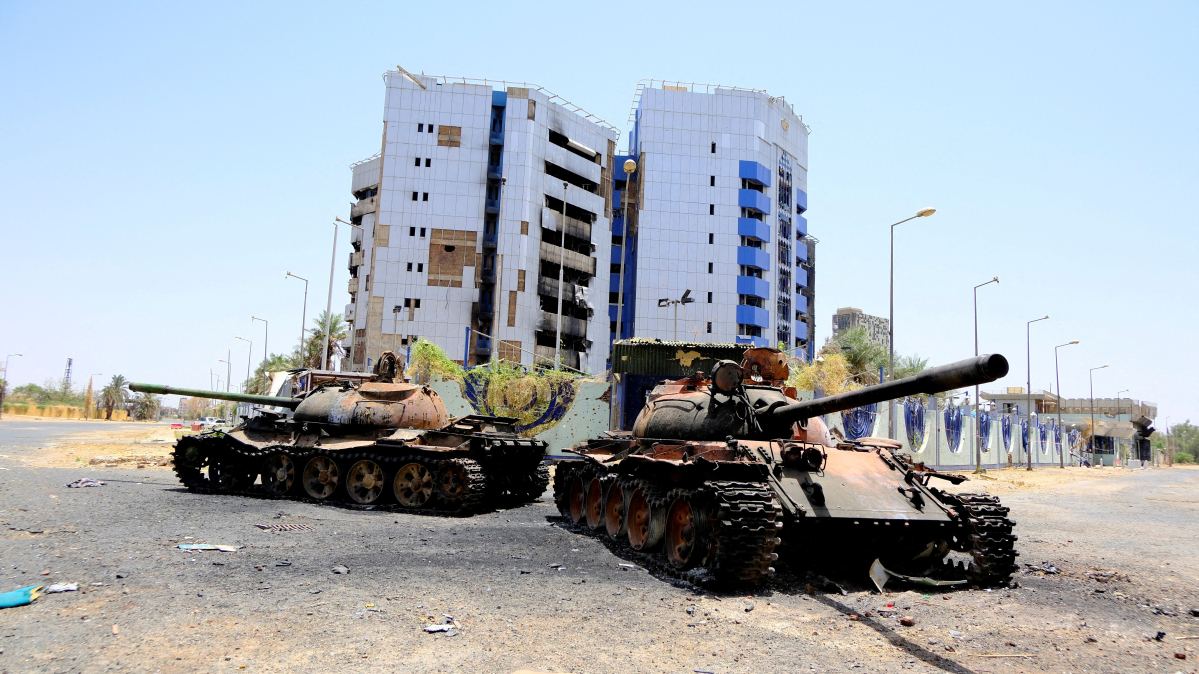
The proposal appears to represent Washington's latest effort to bring an end to a conflict that has devastated Sudan since fighting erupted in April 2023.
The war began after relations between the Sudanese Armed Forces and the RSF collapsed over plans to integrate the paramilitary group into the national military and oversee a transition to civilian rule.
Mixed signals over acceptance
There has been some confusion over Sudan's response to the proposal.
After initially informing the UN Security Council that Sudan had rejected the plan, U.S. Senior Adviser for Arab and African Affairs Massad Boulos later suggested there had been progress.
In a social media post last week, Boulos said he was "extremely pleased" to learn that Sudanese army chief General Abdel Fattah al-Burhan had apparently accepted, rather than rejected, the latest peace initiative.
The U.S. State Department has not commented publicly on the latest developments, while Sudan's Foreign Ministry has yet to respond.
RSF says it welcomed proposal
A senior RSF official told Reuters that the group had received the proposal, welcomed it and submitted a written response.
The official did not disclose details of the response.
The RSF has previously voiced support for peace initiatives while continuing military operations on the ground.
The paramilitary group currently controls much of the Darfur region and has announced plans to establish a parallel administration there.
UN experts have accused the RSF of committing acts of genocide in Darfur, allegations the group denies.
Humanitarian crisis deepens
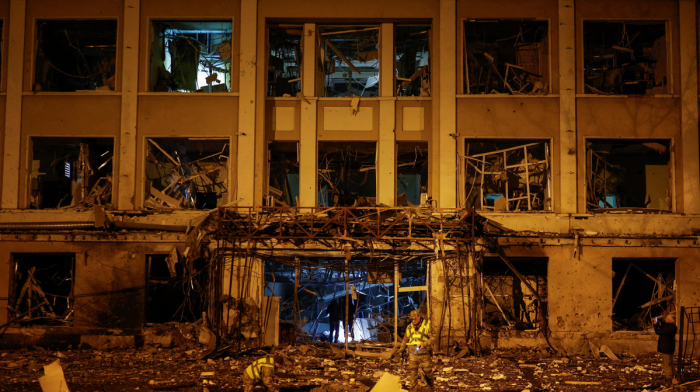
The conflict remains one of the world's worst humanitarian crises.
Millions of people have been displaced, while multiple estimates suggest hundreds of thousands have been killed since the war began.
Large parts of the country face severe food insecurity, disease outbreaks and the collapse of basic services.
With both sides continuing military operations and key disagreements unresolved, the latest U.S.-backed proposal faces significant challenges despite tentative signs that neither side has completely rejected the initiative.
















What is your opinion on this topic?
Leave the first comment