The United States military says it has carried out a strike on a vessel in the eastern Pacific, killing one person and leaving two others alive.
In a statement, U.S. Southern Command said the operation targeted a boat it believed was involved in drug trafficking and linked to organisations it classifies as terrorist groups. The command said the strike was authorised by its commander and carried out by Joint Task Force Southern Spear.
Following the operation, the U.S. Coast Guard was alerted to begin search and rescue efforts for the survivors.
Part of a broader campaign
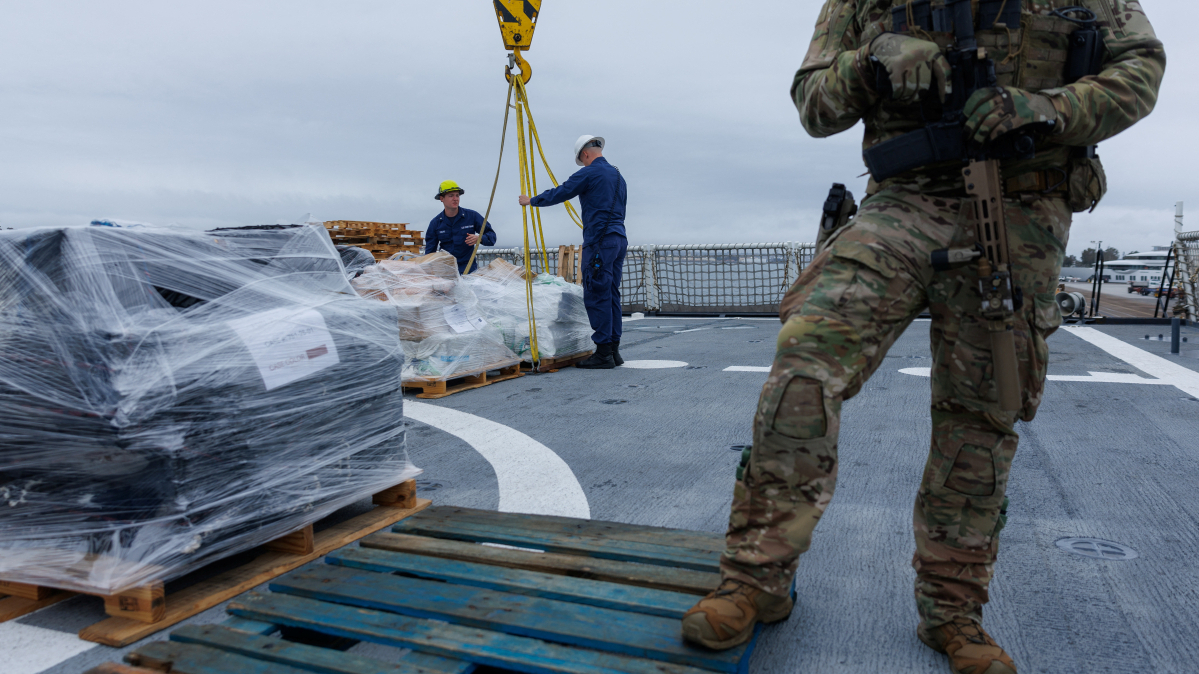
The incident is the latest in a series of U.S. operations targeting vessels suspected of transporting narcotics along maritime routes in the region.
Washington has framed the campaign as part of a broader effort to disrupt criminal networks it says are responsible for trafficking drugs across the Americas. Military officials said intelligence indicated the vessel was travelling along known trafficking corridors and was engaged in illicit activity.
Details about the individuals on board and the groups allegedly involved were not disclosed.
Rare survival in similar incidents
Operations of this nature have typically resulted in fatalities, with reports suggesting survivors are uncommon. The latest incident stands out in part because two individuals were reported to have survived the strike.
Human rights criticism
Human rights organisations have repeatedly raised concerns about the legality of such operations.
Groups including Human Rights Watch and Amnesty International have described the strikes as unlawful, arguing they amount to extrajudicial killings carried out without due process. Critics say the lack of transparency surrounding targeting decisions, combined with the absence of publicly available evidence to support official claims, has fuelled concerns about accountability.
Experts have also questioned the legal framework under which such operations are conducted, particularly when they take place outside traditional conflict zones.
Ongoing debate
The U.S. government maintains that its actions are justified as part of efforts to combat transnational crime and safeguard regional security. However, the growing number of casualties and continued criticism from rights groups have intensified debate over the balance between security measures and adherence to international law.
As operations continue along maritime routes in the eastern Pacific, scrutiny is likely to increase over both the effectiveness and legality of the strategy.


















What is your opinion on this topic?
Leave the first comment