Colombian right-wing outsider Abelardo De La Espriella is set to face leftist senator Iván Cepeda in a presidential runoff, according to Colombia’s National Registry Office data released on Sunday.
The results showed no candidate secured 50% plus one vote, triggering a second round with most ballots counted.
De La Espriella and Cepeda were running extremely close in tallies, with the right-wing lawyer securing 44.2% support and the longtime senator and activist 41%.
De La Espriella, who has never held elected office, has drawn comparisons with El Salvador's Nayib Bukele over his style and policy proposals.
De La Espriella, 47, has portrayed himself as an outsider free from political baggage and proposed a hardline stance against illegal armed groups. He has also called for building 10 megaprisons and reducing poverty through improved education, healthcare, and housing for the poorest.
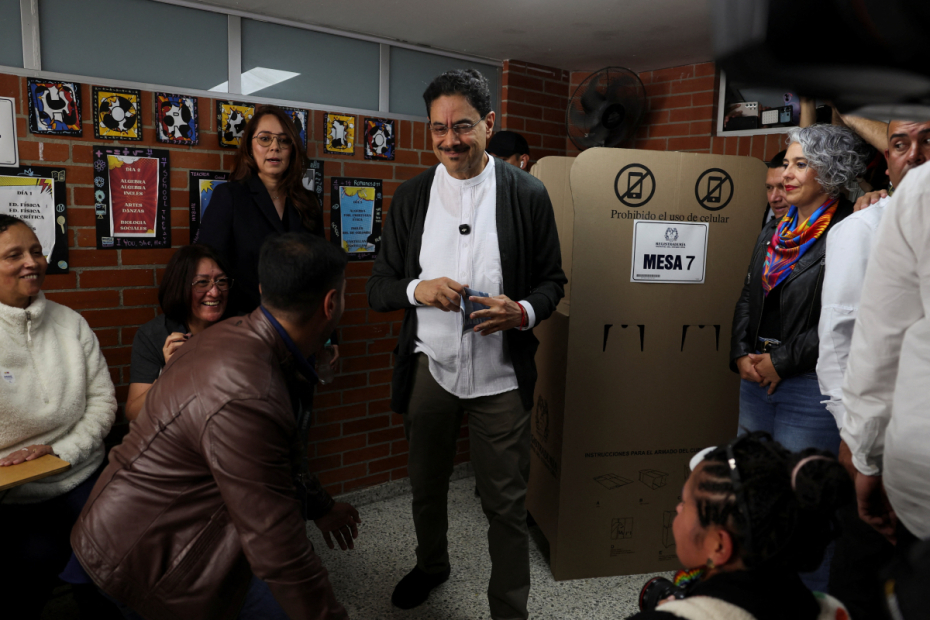
Both Cepeda, a 63-year-old lawmaker, and his ally, incumbent President Gustavo Petro, said they would wait for results to be formally verified.
De La Espriella rejected Cepeda's hesitancy to accept the results.
“We will defend the homeland with reason or with force," De La Espriella told supporters in coastal Barranquilla.
Left faces tough second round
Polls suggest Cepeda will face a much tougher contest in the second round, once right-leaning voters no longer have multiple candidates to choose from. Several centrist candidates won small shares of the vote.
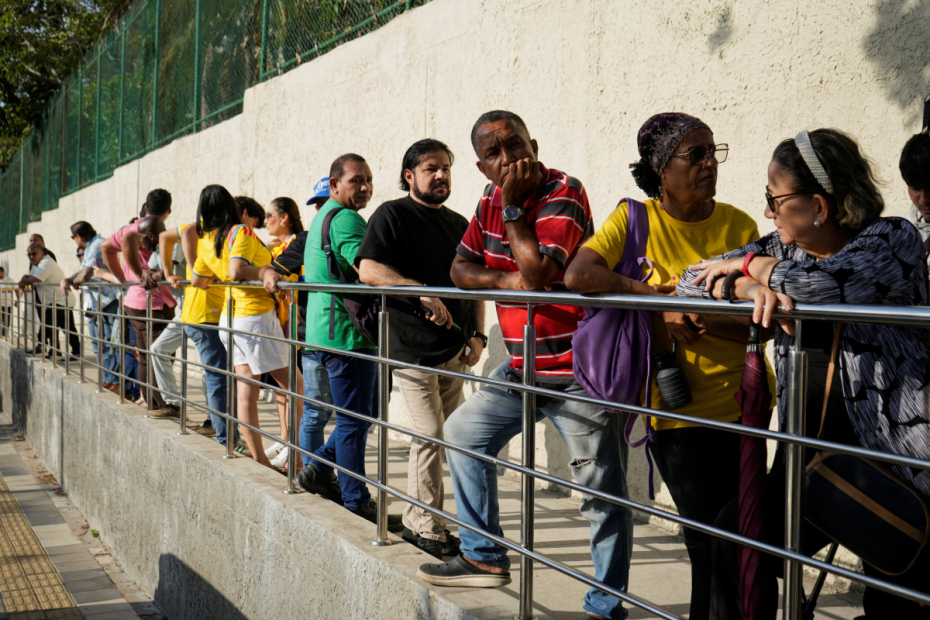
Low turnout in Sunday's vote may give the candidates room to manoeuver, however, if they can convince more supporters to turn out in the runoff on 21 June. About 58% of the 41 million eligible voters cast ballots on Sunday, figures from the registry office showed.
Cepeda, the son of a murdered communist leader, has promised to pursue peace with illegal armed groups through negotiations, an approach that has made limited progress under Petro.
He also plans to deepen reforms meant to reduce inequality and poverty, including by raising taxes on high-income earners, granting one million hectares (2.47 million acres) to victims of the country's six-decade internal conflict and expanding healthcare coverage.
















What is your opinion on this topic?
Leave the first comment