Russia is considering the possibility of joint projects with the United States and China, Kirill Dmitriev, Head of the Russian Direct Investment Fund, (Russia's sovereign wealth fund), was quoted as saying by state media on Wednesday.
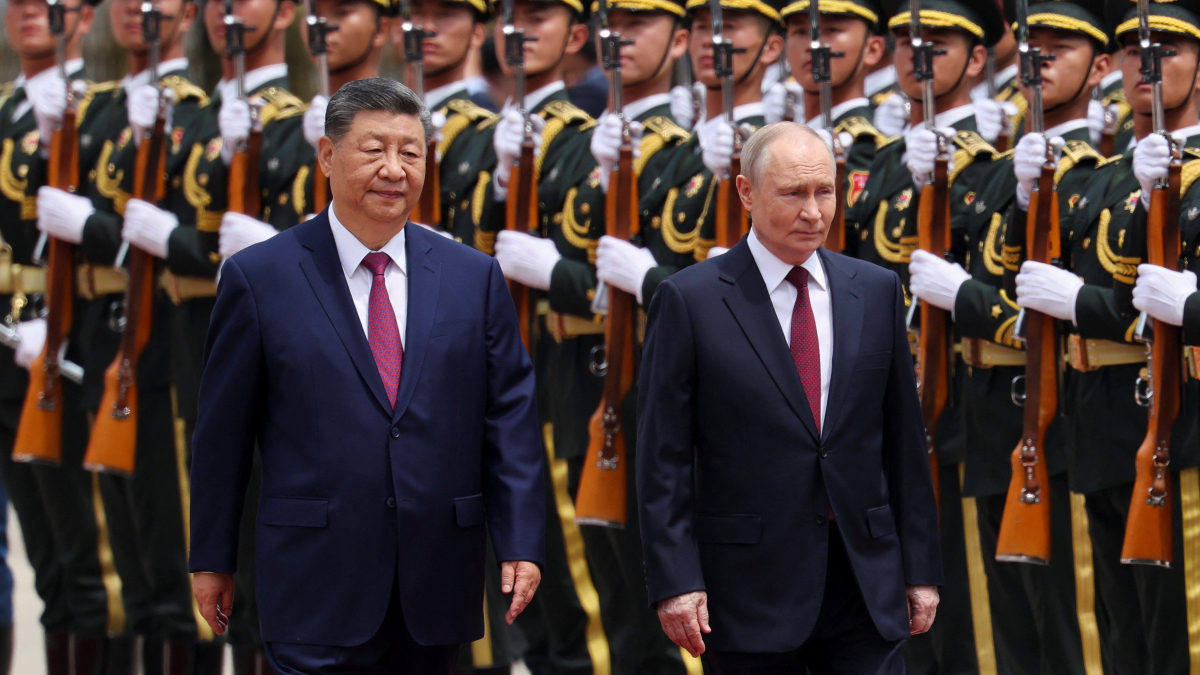
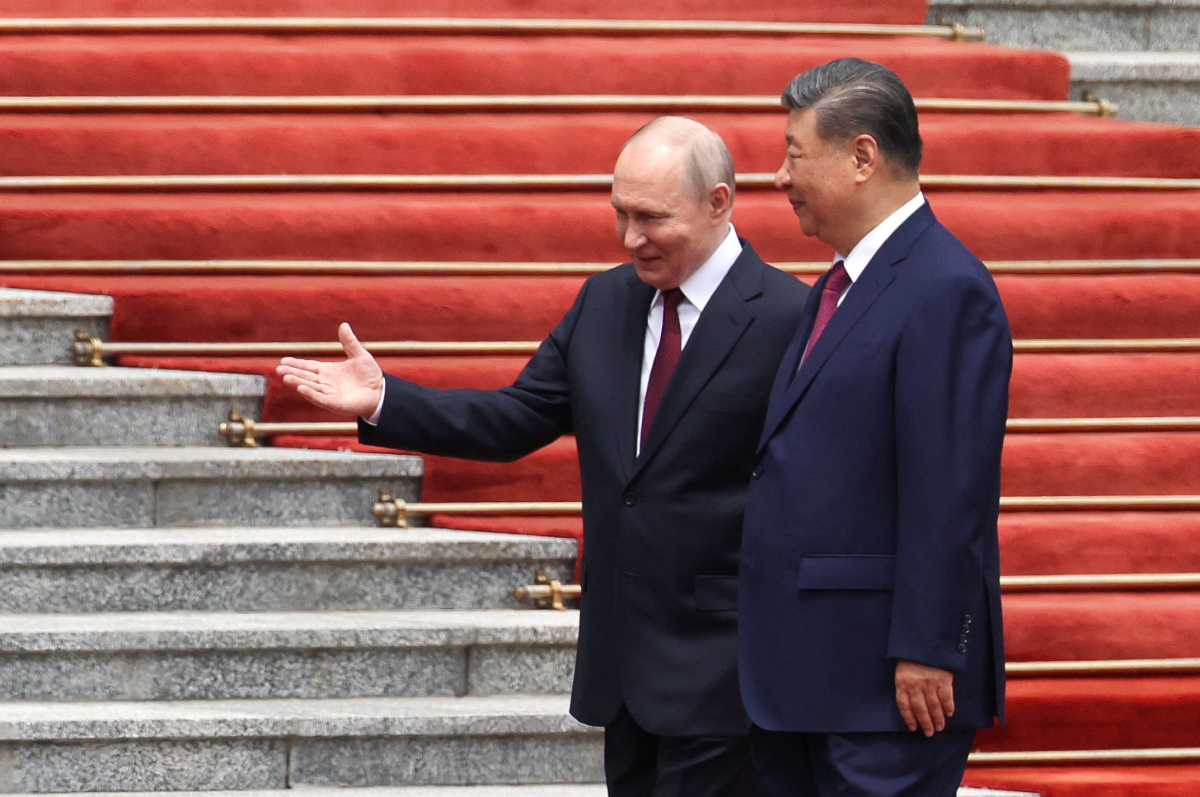
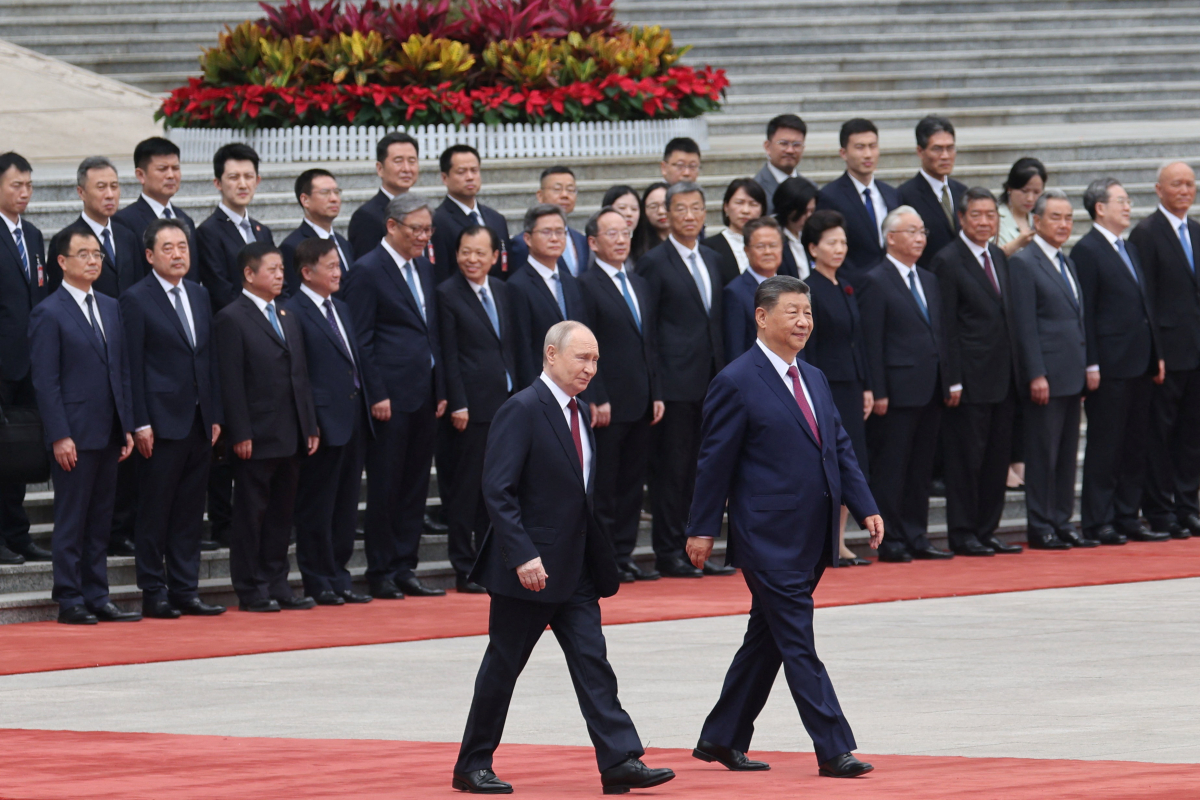
The comment comes as Russian President Vladimir Putin meets his Chinese counterpart Xi Jinping in Beijing on Wednesday, days after Xi had talks with U.S. President Donald Trump.
"Within the framework of the Russian Direct Investment Fund we are also looking at certain projects, including those involving both China and the U.S.", Dmitriev, Putin's special envoy and a key figure in talks between Moscow and Washington, said.
Russian President Vladimir Putin's trip to Beijing for a two-day state visit begins just days after Donald Trump departed the Chinese capital - and with relations between Moscow and Beijing, by the Russian president's own account, in better shape than they have ever been.
In a video address delivered ahead of his arrival, Putin declared that Russia-China relations have reached a truly unprecedented level, with both countries actively expanding contacts across politics, economics, and defence, while also broadening cultural exchanges and people-to-people ties.
He described his warm personal relationship with Chinese President Xi Jinping as the foundation on which the two countries are building their boldest plans yet, and expressed confidence that the partnership will continue to deepen in the years ahead.
The visit is Putin's second trip to China in less than a year. He was last in the country in September 2025 for the Shanghai Cooperation Organisation summit in Tianjin, where Xi referred to him as an "old friend" - a term that carries significant weight in Chinese diplomatic language and is used sparingly for only the most valued foreign partners.
Trade, energy and sanctions shift
China has become Russia's top trading partner, the top customer for Russian oil and gas, and has continued supplying high-technology components that Western governments have repeatedly demanded it stop providing to Russia's defence industries.
Trade between the two countries has long surpassed the $200 billion mark, with the vast majority of transactions now conducted in rubles and yuan rather than U.S. dollars - a deliberate move by both sides to reduce their exposure to Western financial systems.
Russia's oil exports to China grew by 35% in the first quarter of 2026 alone, with Moscow positioning itself as a reliable energy supplier at a time when the war in Iran has disrupted Middle Eastern supply routes.
Energy is expected to be the centrepiece of their upcoming formal talks, with both sides poised to announce what Putin has described as a serious and substantial step forward in oil and gas cooperation.
Timing draws geopolitical attention
The timing of the visit (arriving in Beijing so soon after Trump) has drawn inevitable comparisons and questions. Kremlin spokesman Dmitry Peskov insisted there is no connection between the two trips, noting that Putin's visit was arranged months in advance following a video call between the two leaders in February.
Analysts agree, though they note that the sequence carries its own symbolism regardless of the scheduling.
China’s balancing act on display
Putin framed the Russia-China partnership as a stabilising force in a turbulent world, saying that without aligning against anyone, the two countries seek peace and universal prosperity, and coordinate their efforts to defend international law and the principles of the United Nations Charter.
Critics, particularly in Europe and Ukraine, would dispute that framing - pointing to China's continued material support for Russia's war effort as evidence that Beijing's proclaimed neutrality is something less than neutral.
What is clear is that Beijing has spent this month doing something no other capital in the world could manage: hosting the leaders of the United States and Russia in the same month, on its own terms, without having to choose between them.
It is a remarkable achievement - one that speaks both to China's growing centrality in global affairs and to Xi Jinping's deliberate cultivation of a foreign policy that keeps every major power at the table. In a world that is increasingly pressuring countries to pick a side, Beijing has quietly made itself the place where all sides still come.
Read more:
















What is your opinion on this topic?
Leave the first comment