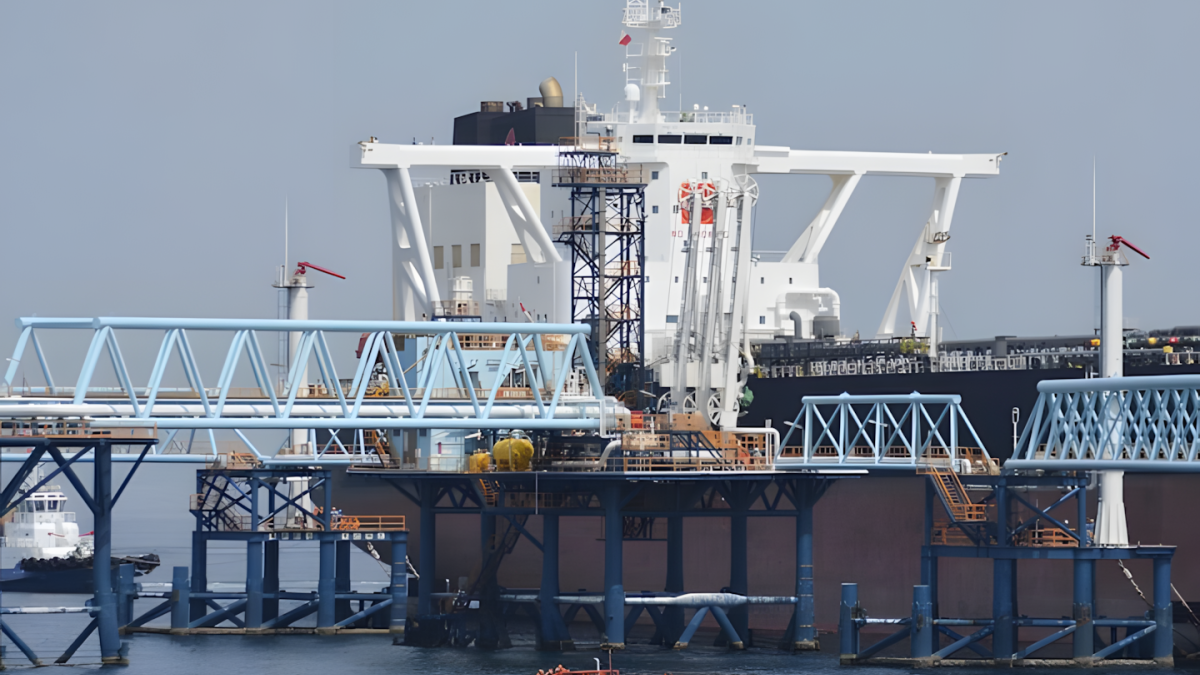
The Japanese government has authorised an emergency release of crude stockpiles as it moves to shield its export-driven economy from disruption in the Persian Gulf.
Prime Minister Sanae Takaichi told an emergency cabinet meeting on Friday that Japan will release a further 20 days’ worth of oil from public reserves starting in May. The move is intended to stabilise domestic supply while securing alternative, non-Middle Eastern sources.
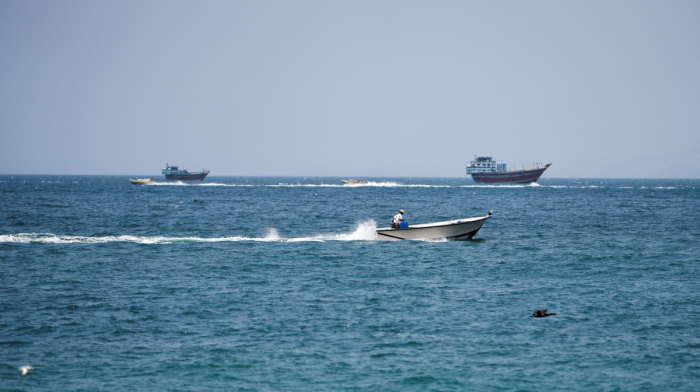
The decision highlights the vulnerability of the world’s fourth-largest economy to geopolitical shocks. While the U.S. and Iran have agreed to a fragile two-week ceasefire after fighting that began in late February, there has been no indication that Tehran will lift its blockade of the Strait of Hormuz.
The strait remains a critical artery for global energy flows, particularly for Asia. Its closure has severely disrupted supply chains and pushed markets into turmoil.
Strategic reserves under pressure
Japan relies on the Middle East for around 95 per cent of its crude oil. When the conflict began, the government moved quickly to prevent fuel shortages.
Tokyo started releasing reserves on 16 March, both independently and in coordination with other importing nations under an International Energy Agency (IEA) framework. The initial plan covered 50 days of supply; the additional 20 days reflects the ongoing impact of the blockade.
Despite the drawdown, reserves remain substantial. As of 6 April, the Ministry of Economy, Trade and Industry (METI) said Japan held enough crude for 230 days of consumption, including 143 days in state-controlled reserves.
Takaichi said the latest release would come entirely from public stockpiles, allowing private refiners to manage pressures from volatile market conditions.
She also indicated progress in diversifying supply routes. By May, Japan expects to secure more than half of its oil imports through routes that bypass the Strait of Hormuz, although specific sources were not fully disclosed.
Shift towards U.S. and global suppliers
The U.S. has become central to Japan’s strategy. According to industry ministry data released on Friday, imports of U.S. crude are expected to be four times higher in May than a year earlier.
Customs figures show Japan imported about 189,000 barrels per day from the U.S. last May, accounting for roughly 8 per cent of total crude imports at the time.
Officials in Washington have long encouraged Japan to increase energy imports from the U.S. to address trade imbalances. The current crisis has accelerated that shift.
However, supply diversification extends beyond the U.S. Japanese firms have sought additional cargoes from countries including Malaysia, Azerbaijan, Brazil, Nigeria and Angola.
Japan is also continuing to source oil from parts of the Middle East that avoid the Strait of Hormuz. Tankers are loading from Saudi Arabia’s Red Sea port of Yanbu and from Fujairah in the United Arab Emirates, which provides access to the Indian Ocean without passing through the strait.
Protecting essential sectors
Domestically, the government is prioritising fuel distribution to critical sectors. Takaichi said suppliers have been asked to ensure access for healthcare, transport and agriculture.
This includes energy-intensive industries such as green tea production, livestock farming and coastal fisheries, all of which are considered vital to Japan’s food supply.
















What is your opinion on this topic?
Leave the first comment