Hungarian Prime Minister Viktor Orbán has refused to lift his opposition to a €90 billion ($104 billion) European Union loan to help Ukraine keep up its fight against Russia’s invasion, following a meeting of EU leaders in Brussels on Thursday (19 March).
Several politicians expressed deep frustration with Orbán, who has cited a dispute over a damaged oil pipeline to justify blocking the implementation of the loan, which was agreed to in principle in late 2025.
German Chancellor Friedrich Merz accused Orbán, who maintains cordial ties with Russia and is running for re-election next month, of an act of "gross disloyalty" that damaged the EU's reputation.
EU officials say that Kyiv could run short of money in weeks if it does not receive the money.
Ukraine's government spends the bulk of its revenues on defence and relies on foreign aid to pay pensions, public sector wages, and other social spending.
The country faces a ballooning budget deficit, and without the loan the government will have to start cutting expenditure and resort to printing money, political analysts have said.
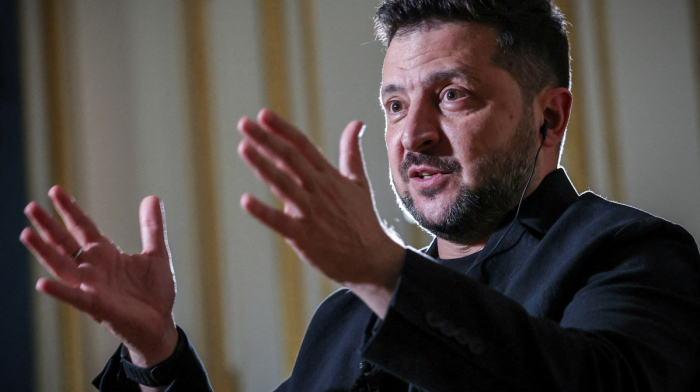
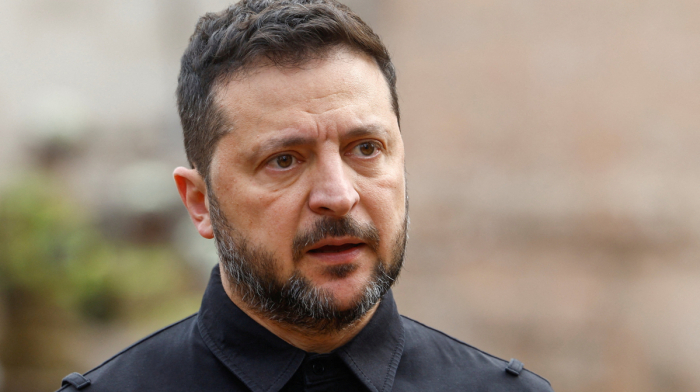
Orbán, a regular critic of Ukrainian President Volodymyr Zelenskyy, has said he will not lift Hungary’s veto over the loan until oil resumes flowing to Hungary through the Druzhba pipeline.
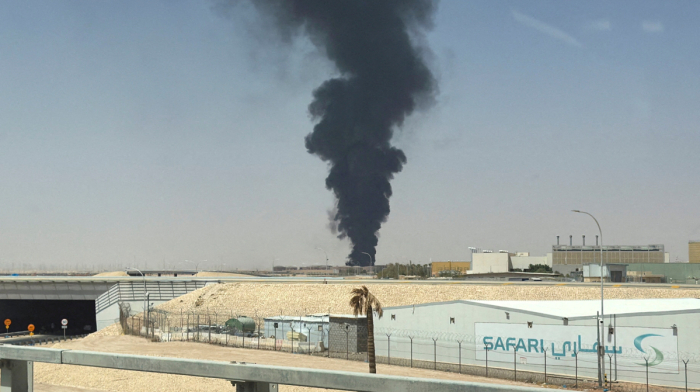
The pipeline, which transports Russian oil through Ukraine to Hungary, was damaged by a Russian attack in January, according to Ukrainian and EU officials.
Ukraine says oil flows to Hungary won’t resume for another six weeks while the pipeline is repaired. But Hungary says it’s already functional and accuses Ukraine of withholding the supply of oil.
Speaking to reporters at the summit, Orbán said the fight for oil was existential for Hungary.
“Without getting that oil, all the households and Hungarian companies will go to bankruptcy. It’s not a joke. It’s not a political game,” he said.
Some leaders have expressed hope that Hungary will change its position after April’s parliamentary election or once the pipeline is repaired.
Meanwhile, German Chancellor Merz says EU leaders have asked the European Commission, the bloc's executive, to explore potential loopholes that allow sidestepping Orbán while implementing the loan.
Hungary, along with the Czech Republic and Slovakia, secured an opt-out from paying for the costs of the €90 billion loan at an EU Summit in December 2025, where the financial aid was agreed to in principle.










What is your opinion on this topic?
Leave the first comment