FBI arrives in Cuba to investigate deadly speedboat shootout
A technical team from the United States Federal Bureau of Investigation (FBI) has touched down in Cuba this wee...
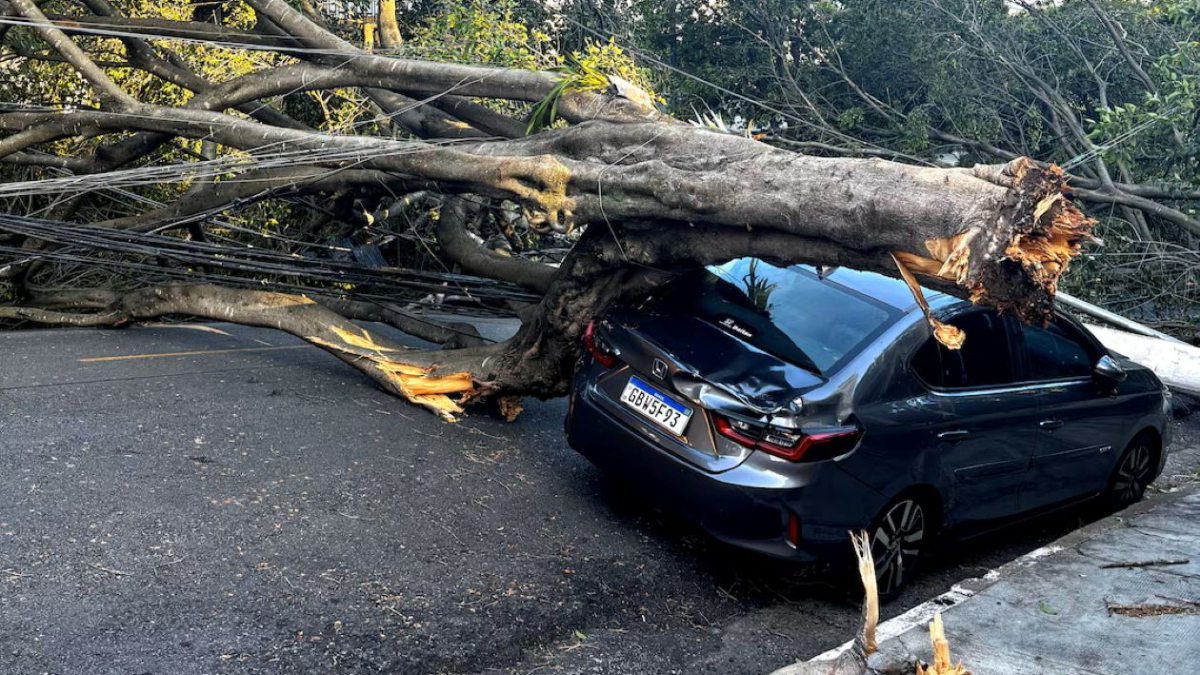
An extratropical cyclone has caused widespread disruption across Brazil’s São Paulo state, with powerful winds toppling trees and power lines, blocking streets and leaving large parts of the region without electricity.
In São Bernardo do Campo, strong gusts brought down electricity poles and centuries-old trees, crushing cars and a lorry and cutting off access to several homes. Residents reported hearing a power transformer explode shortly before the outages began. Those affected said elderly people and patients reliant on medical equipment were facing heightened risks due to the prolonged lack of power.
The storm also damaged infrastructure, including the roof of a petrol station, which collapsed under the force of the winds.
At São Paulo’s Congonhas Airport, travellers faced long queues, delays and widespread cancellations.
Milena Porto, a passenger travelling from Rio de Janeiro to Goiânia, said her connection was cancelled after she arrived late in São Paulo, forcing her to spend the night in the city at her own expense. She said the airline had promised a refund and she was now waiting to be rebooked.
Authorities said around 1.5 million homes and businesses were without electricity on Thursday (11 December). Energy provider Enel reported wind speeds reaching 98 km/h, with about 2 million customers losing power at the storm’s peak.
The company said supply had been restored for 500,000 consumers by Thursday morning.
Brazil’s energy regulator Aneel has demanded a detailed explanation from Enel regarding the scale and duration of the outages.
Water utility Sabesp said that power cuts had knocked out pumping stations, disrupting supply across multiple districts. The company said water services were being gradually restored.
Air travel was also severely affected. Airport operator Aena said Congonhas Airport cancelled 31 arrivals and 15 departures on Thursday, after scrapping 181 flights on Wednesday.
At Guarulhos International Airport, one of Latin America’s busiest hubs, 61 arrivals and 56 departures were cancelled since Wednesday, though operations had largely normalised by Thursday morning.
The Iran-U.S.-Israel conflict is intensifying, with fresh strikes near Tehran, European calls for restraint, and Iran threatening to target U.S. firms in the region, raising fears of a broader escalation across the Middle East.
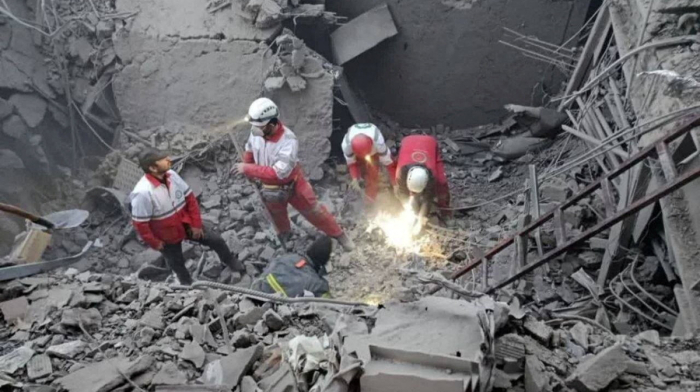
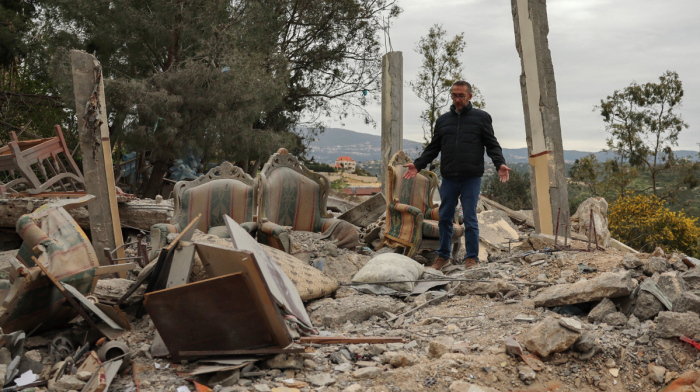
There are fears of an oil spill after a drone strike hit a Kuwaiti oil tanker near Dubai on Tuesday, while U.S.-Israeli strikes in Iran reportedly killed at least two people. A loud explosion was heard in Beirut in southern Lebanon early Wednesday, as oil prices climbed above $100 a barrel.
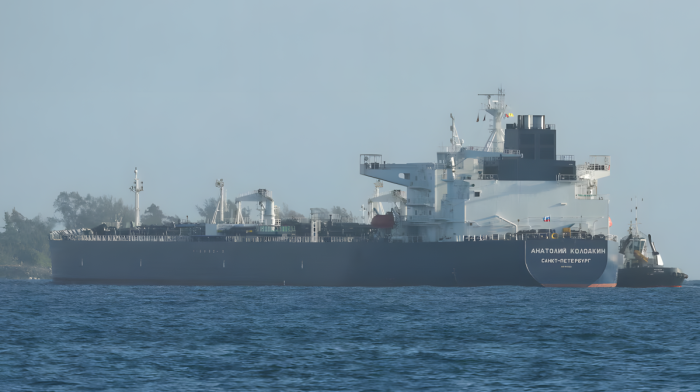
Russian-flagged tanker carrying approximately 700,000 barrels of crude oil docked at Cuba's Matanzas oil terminal on Tuesday, shipping data confirmed, marking a vital and controversial delivery to an island paralysed by severe energy shortages and a suffocating U.S. blockade.
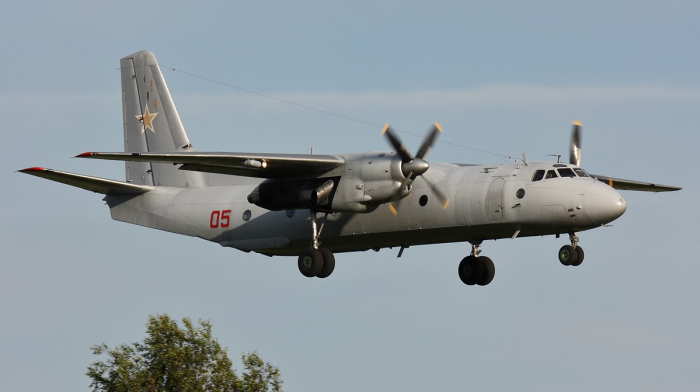
A Russian military An-26 aircraft has crashed in Crimea, killing all 30 people on board, Russia’s Defence Ministry has confirmed.
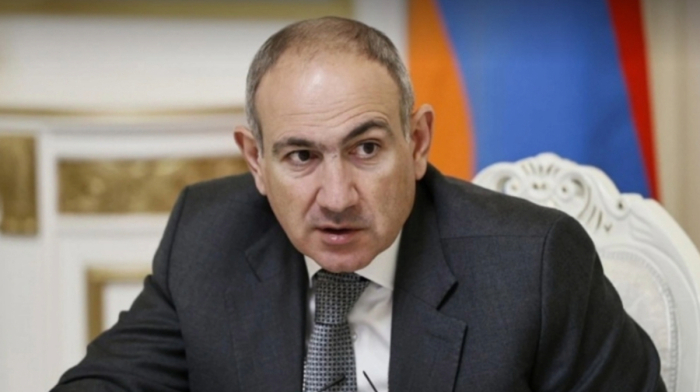
Three Armenian citizens have been charged following an alleged attempt to attack Prime Minister Nikol Pashinyan at St Anna Cathedral in Yerevan on 29 March. Analysts say the incident reflects rising tensions between the government and the Church ahead of upcoming elections.
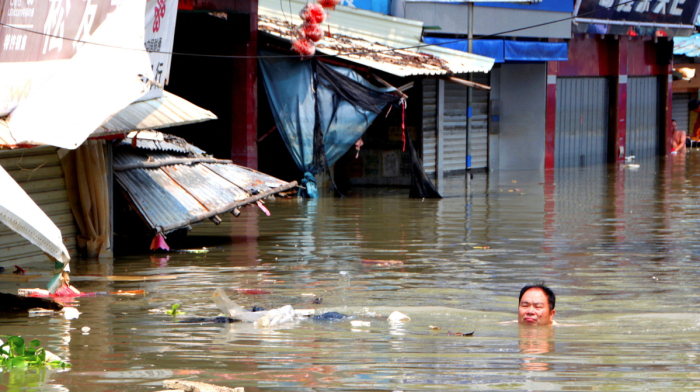
China is preparing for a year of extreme weather in 2026, with authorities warning the country could face both severe flooding and widespread drought, underscoring mounting climate pressures.
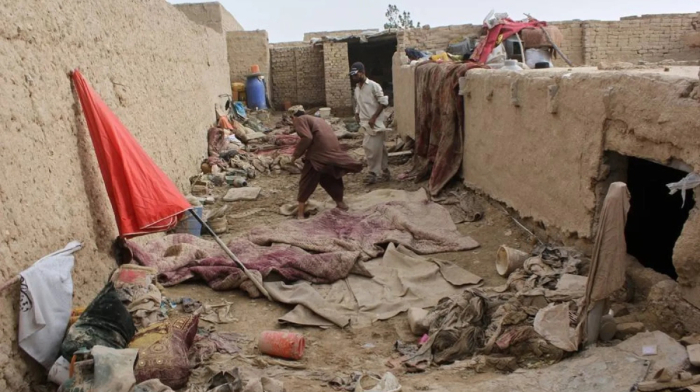
Heavy rain, flash floods and lightning strikes across Afghanistan have killed 28 people and destroyed hundreds of homes in Kabul, Herat and other provinces.
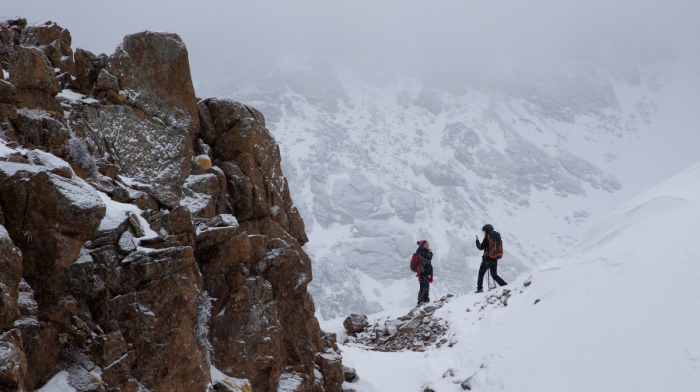
Central Asia is stepping up efforts to address rapid glacier melt, following United Nations warnings of unprecedented climate pressure on mountain ecosystems.
Europe's aviation sector hit - and may well have surpassed - a 2% mandate for green jet fuel use in 2025, a regulatory official and a source told Reuters, bolstering airlines' green credentials as the region seeks to cut reliance on hydrocarbons.
Central Asia’s energy systems are becoming increasingly vulnerable as countries depend heavily on single power sources while facing mounting climate pressures, a new report by the Eurasian Development Bank (EDB) warns.
You can download the AnewZ application from Play Store and the App Store.
What is your opinion on this topic?
Leave the first comment