live Oil climbs past $119 a barrel as Iran crisis squeezes global supply - Monday 9 March
Global oil prices continue to rise, currently surpassing $119 a barrel this Monday, an almost four year high following fresh U.S.-Israeli...
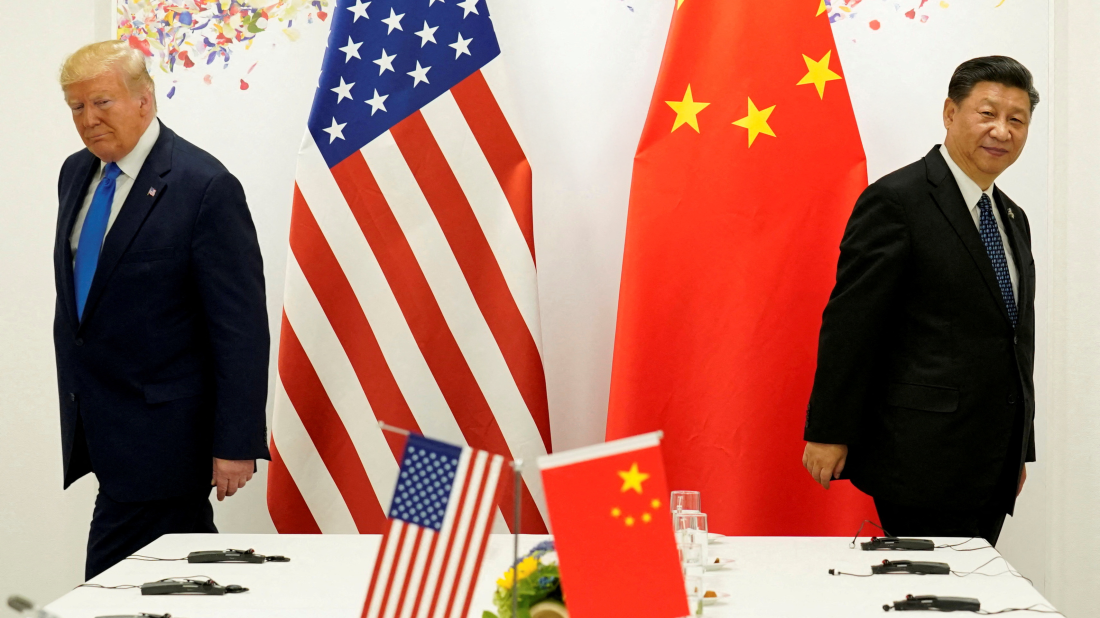
Trade tensions between the United States and China are once again flaring up, as President Donald Trump has signalled that he may consider ending certain trade relations with Beijing.
These includes imports of food oils and other agricultural goods. The move, if implemented, would mark a significant escalation in the already strained economic relationship between the world’s two largest economies.
According to recent remarks made by Trump, his team is “reviewing every aspect of US-China trade” with the goal of reducing American dependence on Chinese imports.
Among the items reportedly under consideration are food oils and related agricultural products, which form part of a broader effort to, as Trump put it, “bring supply chains back to America.”
The comments come at a time when Washington and Beijing have been struggling to stabilise relations following years of tariff battles, technology restrictions, and strategic competition in sectors such as semiconductors, electric vehicles, and critical minerals.
Economists warn that cutting off agricultural imports could trigger more retaliatory measures from China, potentially affecting US exports of soybeans, grain, and other commodities that have long been central to bilateral trade.
Beijing has yet to issue an official response, but Chinese state media have described Trump’s remarks as “politically motivated” and warned that a breakdown in trade cooperation would hurt both sides.
Observers note that China has sought to diversify its import sources and promote domestic alternatives in recent years, partly to guard against such US policy swings.
If enacted, the proposed restrictions could further test the fragile economic balance between the two powers, with implications reaching far beyond the commodities market.
For now, investors and trade partners are wary that this escalation could once again spill into another trade confrontation and further intensify the tariff wars that have rattled the global markets.

Trump says the United States "don’t need people that join wars after we’ve already won," targeting his criticism at UK Prime Minister Keir Starmer. Israel continues to fire missles at strategic sites in Iran and Gulf regions report more strikes from Iran.
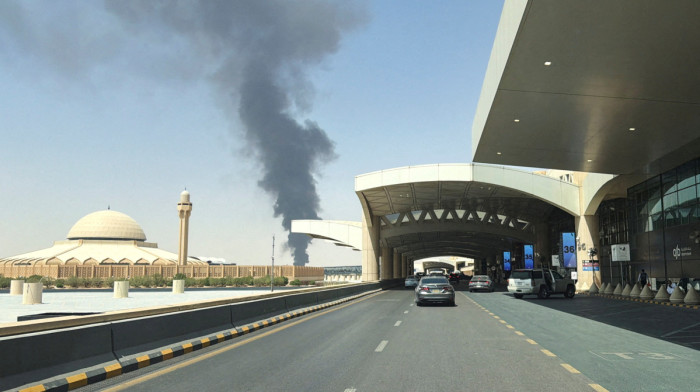
Global oil prices continue to rise, currently surpassing $119 a barrel this Monday, an almost four year high following fresh U.S.-Israeli strikes targeting oil depots. Stock markets shares slumped on fears the conflict with Iran could disrupt shipments through the Strait of Hormuz.
Mojtaba Khamenei, son of the late Ayatollah Ali Khamenei, is a hardline cleric with strong backing from the Islamic Revolutionary Guard Corps. His rise signals continuity in Tehran's anti-Western policies.
Iran named Mojtaba Khamenei to succeed his father Ali Khamenei as supreme leader on Monday (9 March), signaling that hardliners remain firmly in charge, as the week-old U.S.-Israeli war with Iran pushed oil above $100 a barrel.
Entry and exit across the state border between Azerbaijan and Iran for all types of cargo vehicles, including those in transit, will resume on 9 March, according to a statement by the Cabinet of Ministers of Azerbaijan.
U.S. President Donald Trump and UK Prime Minister Keir Starmer spoke by phone on Sunday as tensions between Washington and Westminster deepened over the conflict involving Iran. The call came less than a day after Trump criticised Britain’s response to U.S. strikes on Iranian targets.
Norwegian police are searching for a suspect after an explosion at the U.S. embassy in Oslo on 8 March caused minor damage but no injuries, in what authorities say may have been a deliberate attack linked to the Middle East crisis.
An explosion damaged a synagogue in the Belgian city of Liège early on Monday (9 March) in what authorities said was an antisemitic attack that caused damage but no injuries.
The Group of Seven (G7) finance ministers will meet on Monday to discuss a global rise in oil prices and a joint release of oil from emergency reserves coordinated by the International Energy Agency, the Financial Times reports.
Start your day informed with AnewZ Morning Brief. Here are the top news stories for the 9th of March, covering the latest developments you need to know.
You can download the AnewZ application from Play Store and the App Store.
What is your opinion on this topic?
Leave the first comment