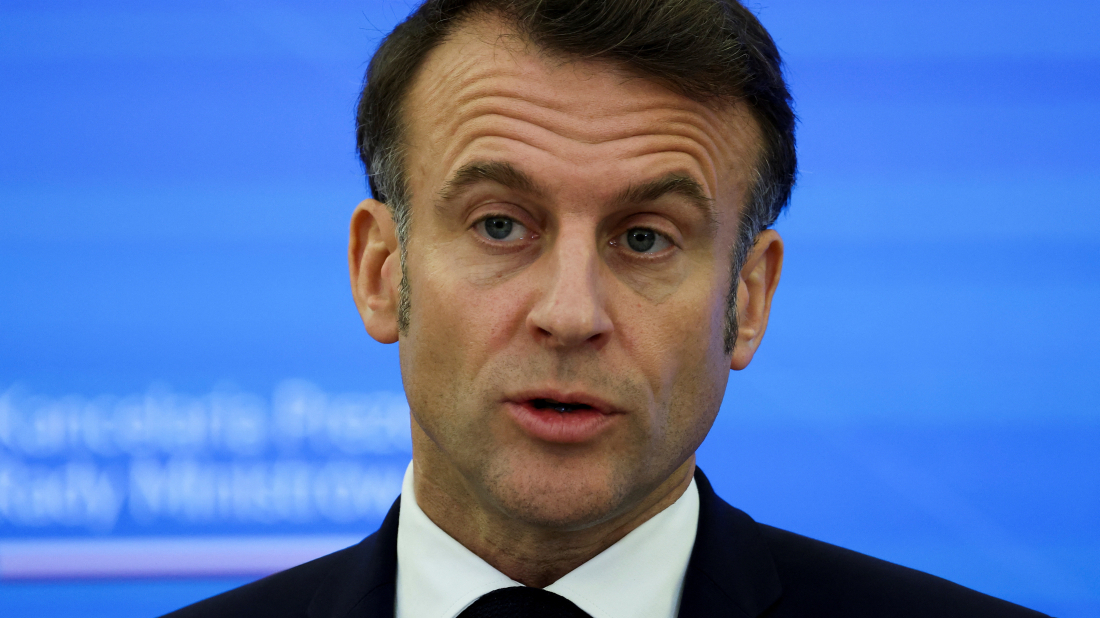
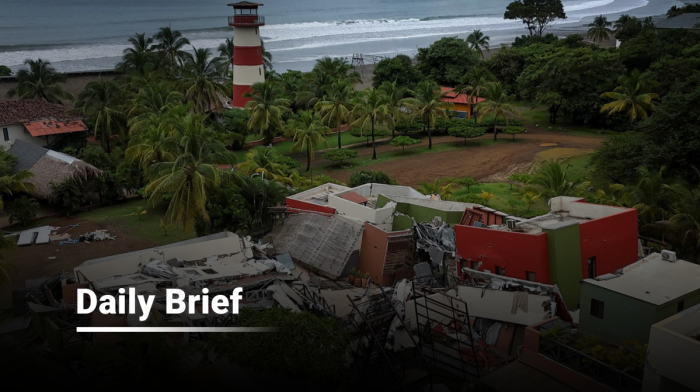
President Emmanuel Macron’s visit to Mayotte has been met with anger and frustration as local residents continue to deal with the devastating aftermath of Cyclone Chido.
Arriving in Mayotte on Thursday, President Emmanuel Macron was greeted by protests and boos in the city of Pamandzi, with residents demanding more aid and faster government response.
The situation remains dire, five days after the cyclone struck. Official reports confirm that 31 people have died, though local leaders fear the death toll could be much higher. Thousands remain trapped under rubble, their homes completely destroyed, while heavy rains have hampered rescue efforts and made many areas inaccessible. In Mayotte’s capital, Mamoudzou, entire neighborhoods have been reduced to ruins.
Aid distribution has been slow, and many residents are still waiting for help. The government has announced plans to increase food and water supplies by air and sea, but opposition politicians have accused the Macron administration of neglecting Mayotte. Many locals claim they have received no assistance since the cyclone hit.
Meanwhile, a report from the French political group La France Insoumise (LFI) has raised serious concerns about President Macron’s handling of issues in French overseas territories. The report specifically highlights the marginalization of the Kanak people in New Caledonia and accusations of neocolonialism.
It also references violent unrest following controversial government actions, with blockades and clashes between independence activists, militias, and police. LFI claims that 13 people died during the unrest, including at least eight Kanak individuals, allegedly killed by militias.
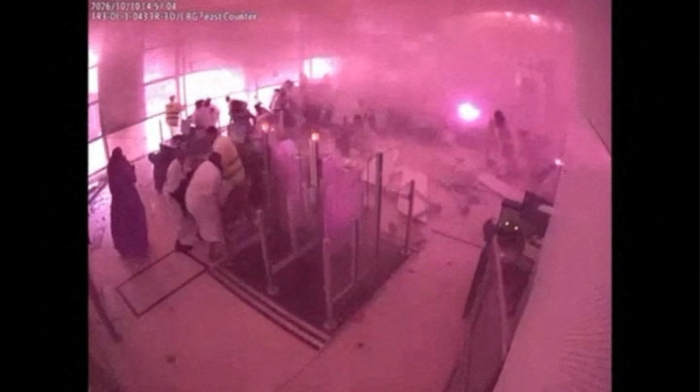
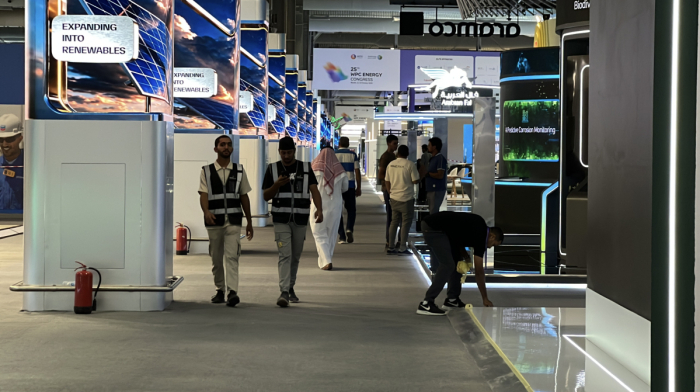
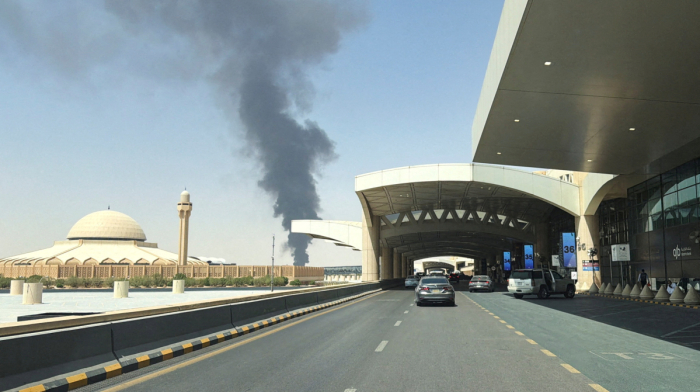
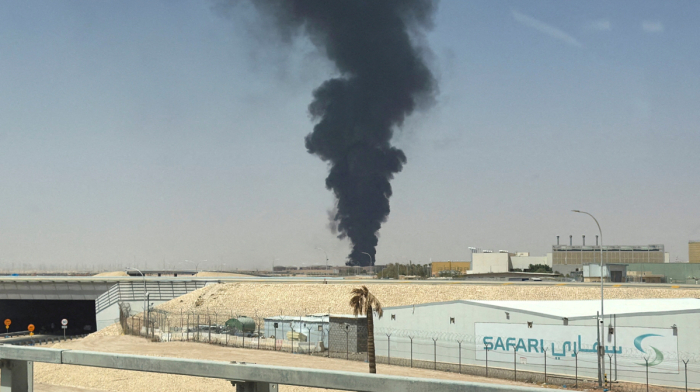
The explosion at King Khalid International Airport in Riyadh on Saturday afternoon killed at least 12 people and injured a further 309, according to Saudi Arabia’s Civil Aviation Authority. The airport remains closed until further notice.
One person was killed and nearly a dozen hurt in a new attack Riyadh's international airport on Sunday, Saudi authorities reported, a day after a strike claimed by Yemen's Houthis that killed 13 people and wounded more than 300.
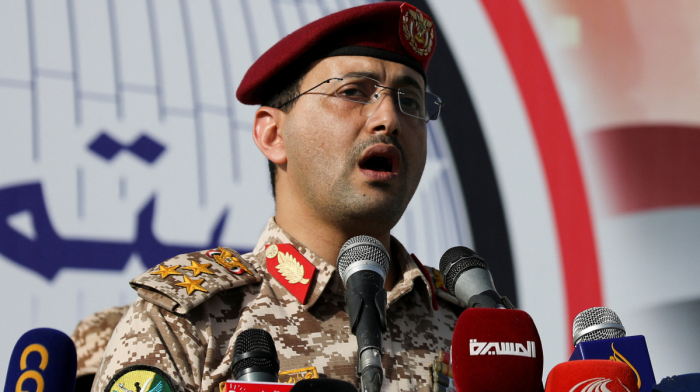
Yemen's Houthis renewed warning to airlines, airport workers, and travellers against using Saudi airports, saying the warning should be taken seriously and that the kingdom “bore responsibility for failed interceptions”, a day after an attack on Riyadh's international airport that killed 12 people.
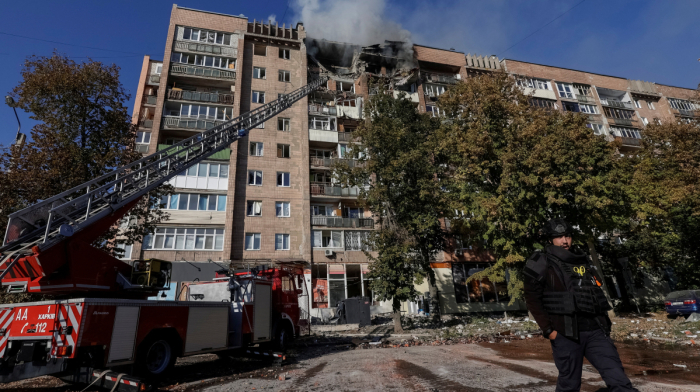
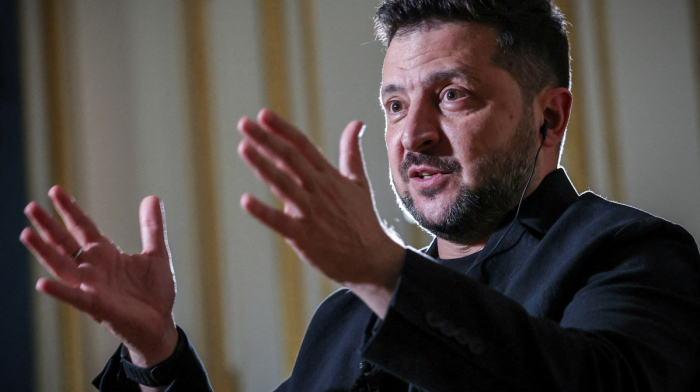
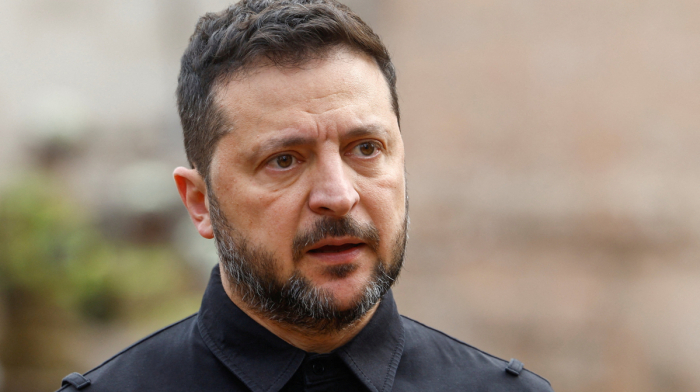
Ukraine is ready to stop attacks on Russian oil refineries if Moscow also halts strikes on Ukrainian energy infrastructure, President Volodymyr Zelenskyy said on Sunday.
The Kremlin on Monday rejected a 60-day ceasefire idea proposed by Ukrainian President Volodymyr Zelenskyy to allow his country to hold presidential elections, saying it wanted an overall peace deal instead.
Ukrainian President Volodymyr Zelenskyy said on Monday that Ukraine is ready to respect the energy ceasefire announced by U.S. President Donald Trump, but only if Russia does the same, saying Moscow has already violated the agreement.
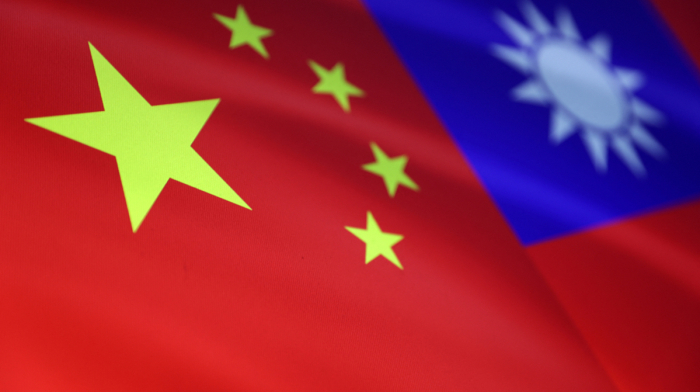
China has announced sanctions against Belize’s foreign minister and Paraguay’s communications minister over their countries’ diplomatic ties with Taiwan. The move comes as Beijing continues to pressure the few remaining nations that maintain formal diplomatic relations with Taipei.
Download the AnewZ app
You can download the AnewZ application from Play Store and the App Store.










What is your opinion on this topic?
Leave the first comment