U.S. Treasury to broaden scope of secondary sanctions on Iran
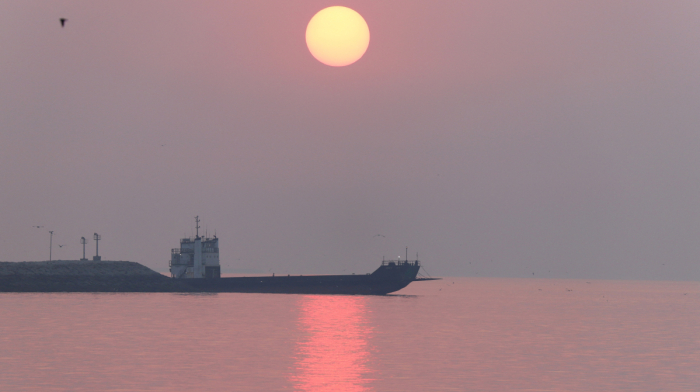
Only four commodity vessels crossed the Strait of Hormuz on Sunday, following 13 transits a day earlier, as disruptions continue to restrict traffi...
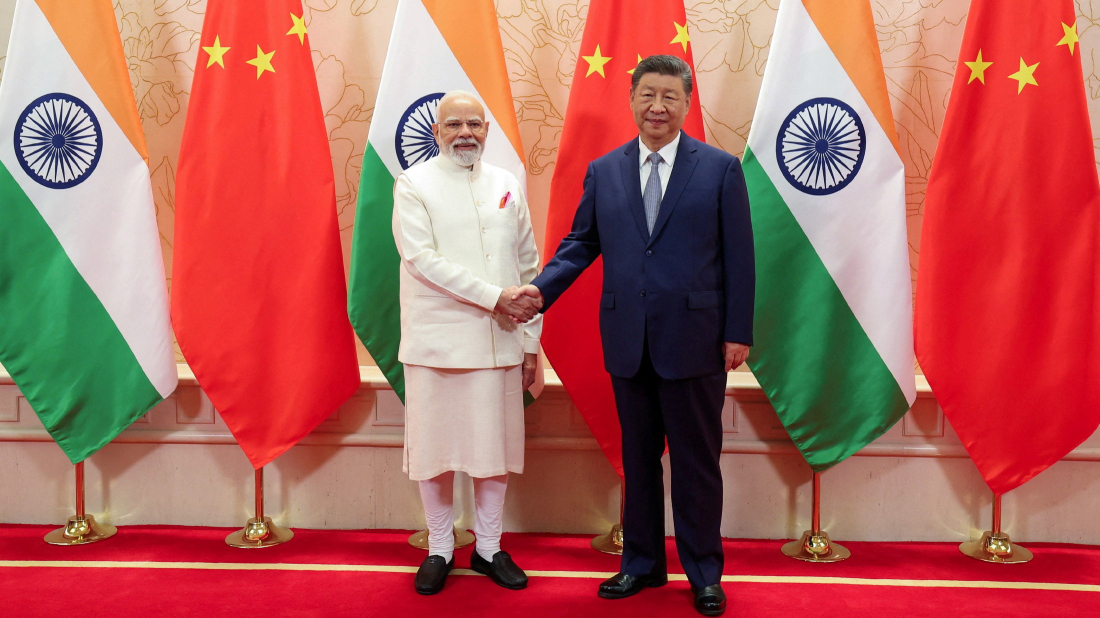
Chinese President Xi Jinping and Indian Prime Minister Narendra Modi met Sunday in Tianjin ahead of a regional summit, pledging to resolve long-standing border disputes and strengthen bilateral cooperation.
This marks Modi’s first visit to China since deadly border clashes in 2020 strained relations between the two nuclear-armed nations. Modi, attending as part of India’s membership in the Shanghai Cooperation Organization (SCO), described progress in relations as “meaningful” and said the border areas now maintain a “peaceful environment after disengagement.”
Xi emphasized that the border issue should not define overall China-India relations, urging both nations to focus on economic development. “As long as they remain committed to being partners, not rivals, and providing development opportunities, relations will flourish steadily,” Xi said.
Recent months have seen increased diplomatic engagement, including visits by officials from both sides, resumption of visa issuance, and eased travel restrictions. In June, Beijing allowed Indian pilgrims to visit sacred sites in Tibet, signaling further thaw in ties.
The Tianjin meeting also comes as Russian President Vladimir Putin arrives to meet both leaders in the coming days, underscoring the summit’s regional significance.
Modi stressed that strategic autonomy should guide the partnership, and external pressures, such as U.S. trade policies, should not shape China-India relations. Both sides agreed to continue dialogue and bolster cooperation across political, economic, and security matters.

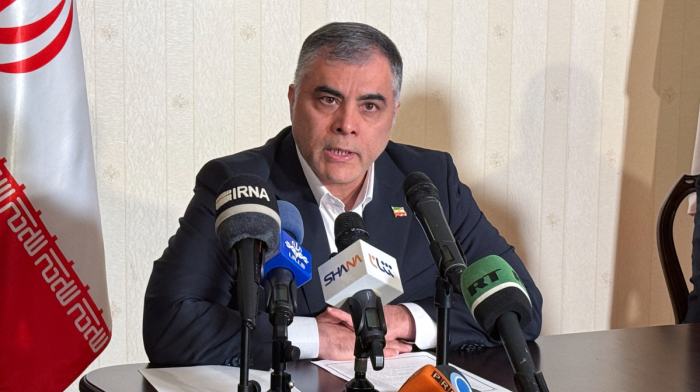
Iran on Saturday denounced U.S. plans to announce new sanctions that could put further strain on the Islamic Republic's economy and have an impact on its most important trading partners including China.
Ukraine’s President Volodymyr Zelenskyy said on Monday that Kyiv wants peace but will not surrender to Russia, as foreign leaders joined Independence Day events marking 35 years since Ukraine’s independence.
A newly created pro-government political party has secured a commanding victory in Kazakhstan's snap parliamentary election, according to exit polls, strengthening President Kassym-Jomart Tokayev's influence at a pivotal moment in the country's political transition.
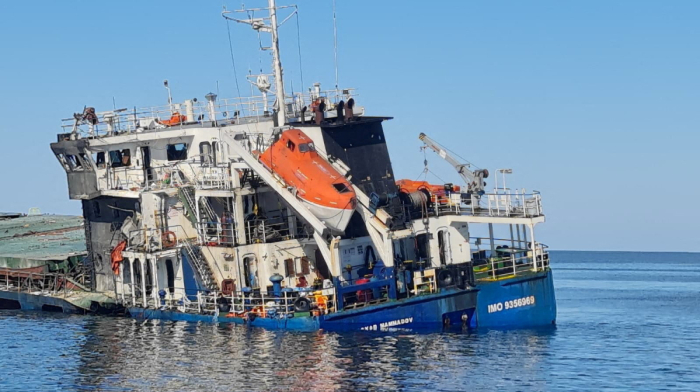
Only four commodity vessels crossed the Strait of Hormuz on Sunday, following 13 transits a day earlier, as disruptions continue to restrict traffic through the key energy chokepoint.
Ukrainian President Volodymyr Zelenskyy has rejected calls for a wartime election, arguing that holding a vote while Russia's full-scale invasion continues would divide the country and undermine national unity.
Ukraine’s President Volodymyr Zelenskyy said on Monday that Kyiv wants peace but will not surrender to Russia, as foreign leaders joined Independence Day events marking 35 years since Ukraine’s independence.
Online fast-fashion retailer Shein is seeking to raise up to $1.77 billion in a Hong Kong IPO after its valuation fell around 70 per cent from its private-market peak four years ago.
Start your day informed with AnewZ Morning Brief. Here are the top news stories for the 24th of August, covering the latest developments.
New Zealand Prime Minister Christopher Luxon said on Monday that his party will introduce a bill to ban children under 16 from using social media. The proposal would allow fines of up to 10 per cent of a platform’s global revenue for non-compliance.
Icelanders will vote on Saturday, 29 August, on whether to resume negotiations with the European Union, in a referendum that could reopen the country’s long-debated membership question.
You can download the AnewZ application from Play Store and the App Store.
What is your opinion on this topic?
Leave the first comment