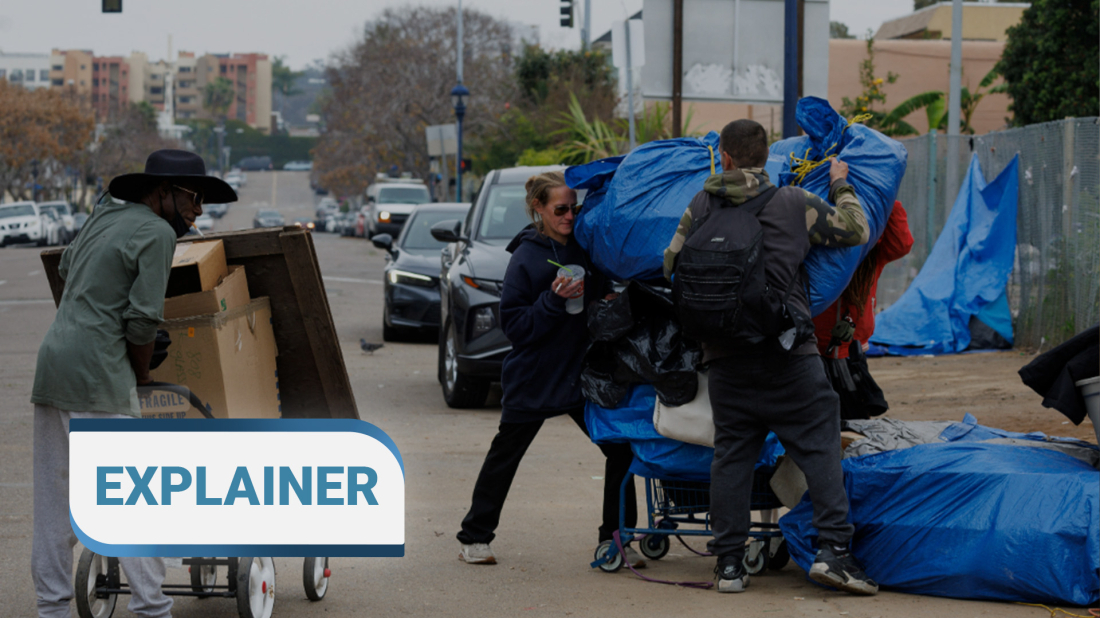
Homelessness in the United States is at record highs and still rising in 2025. A federal count last year found over 770,000 people without a home, a crisis fuelled by scarce affordable housing, rising costs, migration pressures, and the pandemic’s lasting impact.
The scale of the crisis
The latest annual count by the Department of Housing and Urban Development (HUD) found homelessness in the U.S. jumped by 18% in a single year. That’s a surge of more than 100,000 people from 2023. One in three of those counted were experiencing chronic homelessness, a year or more without stable housing, or repeated episodes of homelessness.
This “point-in-time” survey captures those in shelters, transitional housing, or living outdoors, but it does not include the millions living in overcrowded apartments, couch-surfing, or relying on friends and relatives for a place to sleep. That means the real number of housing-insecure Americans is far higher.
“Where rents go up, homelessness follows. It’s that simple — and that devastating.” — Jeff Olivet, former executive director, U.S. Interagency Council on Homelessness
What’s driving the rise?
While people become homeless for many personal reasons, job loss, family breakdown, illness, the overall national trend closely tracks the cost and availability of housing.
- Housing costs outpacing wages: In cities where rents rise faster than incomes, homelessness almost always rises too.
- Shortage of affordable units: The National Low-Income Housing Coalition says there is a severe shortfall in affordable rentals in almost every state.
- Pandemic protections ending: Eviction moratoria, emergency income support, and rent freezes during COVID-19 temporarily slowed the crisis — but when they ended, homelessness rose sharply.
- Migration and asylum seekers: Some cities, including New York and Chicago, saw family homelessness double due to the arrival of large numbers of migrants.
- Natural disasters: Wildfires in Maui, hurricanes, and floods have forced thousands into shelters.
- Mental health and addiction: Two-thirds of homeless adults have some form of mental illness; many also struggle with substance use disorders.
“You can’t solve homelessness with shelters alone. We have to get people into permanent housing and keep them there.” — Rosanne Haggerty, president, Community Solutions
Where it’s worst — and why
Homelessness is far more visible in coastal states and urban hubs.
- California accounts for the largest share of the unsheltered homeless, with just 34% living in shelters.
- New York has one of the highest total homeless populations, but 96% are sheltered, thanks to its “right to shelter” policy.
- Florida and Texas report lower homelessness rates than expected given their high housing costs — in part because many at risk live in overcrowded housing or move to other states with more services.
Race and age patterns are stark: Black and Hispanic Americans are disproportionately affected, and homelessness among children under 18 is rising rapidly.
“Homelessness is not inevitable. It is the result of choices — about housing policy, about wages, about who gets help and who doesn’t.” — Nan Roman, president, National Alliance to End Homelessness
The cost of doing nothing
Homelessness is not just a humanitarian issue, it has social and economic costs.
- Life expectancy for homeless people is 26 years shorter than the general population.
- They are three times more likely to use emergency hospital services.
- Homelessness in childhood is linked to poorer health, education, and employment outcomes later in life.
- Cities bear the costs of policing, sanitation, and emergency services, while struggling with the visible effects on public spaces and economic vitality.
What works — and what doesn’t
What works:
- Housing First: Placing people directly into permanent housing without preconditions like completing treatment programmes.
- Veteran programmes: Intensive housing and support services have cut veteran homelessness by more than half since 2009.
- Local prevention: Some cities, such as Chester County, Pennsylvania, have seen sharp declines through legal aid, tenant protections, and targeted housing programmes.
What doesn’t work alone:
- Temporary shelters can save lives but don’t break the cycle.
- Strict camping bans may move people out of sight but don’t address the root causes.
- Conditional housing (“treatment first”) often leaves people stuck on the streets.
“Homelessness is not just about losing a home — it’s about losing safety, health, and dignity.” — Donald Whitehead Jr., executive director, National Coalition for the Homeless
The policy challenge ahead
Experts agree that to reverse the trend, the U.S. must expand the supply of affordable housing, a slow process that requires changing zoning laws, investing in multi-family housing, and increasing funding for housing subsidies.
In the short term, strengthening prevention programmes, funding rapid rehousing, and maintaining access to mental health and addiction treatment are key. The real test will be whether political will, and budgets, can match the scale of the crisis.
Bottom line:
The surge in homelessness is not inevitable. It is the product of policy choices, housing markets, and economic pressures. Addressing it will require more than managing tents and shelters, it will demand a sustained commitment to making housing affordable, accessible, and a guaranteed part of America’s social contract.





















What is your opinion on this topic?
Leave the first comment