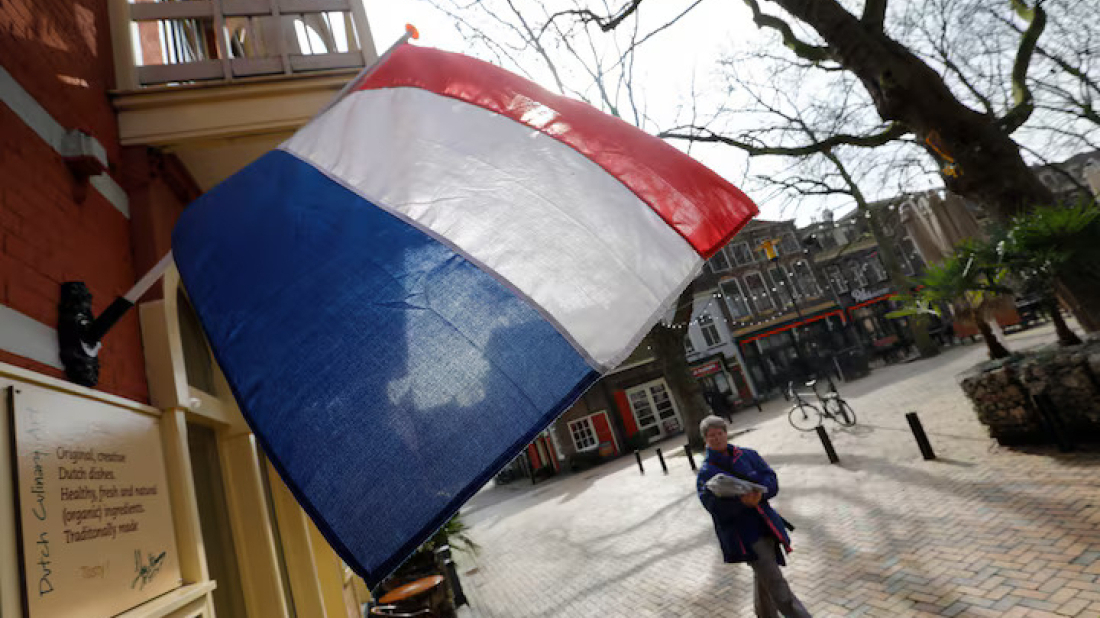
The Netherlands has become the first NATO member to contribute to a new U.S.-backed initiative to arm Ukraine, pledging €500 million to purchase American weapons as U.S. Ambassador to NATO Matthew Whitaker says more allies are expected to follow in the coming weeks.
The Dutch government has committed €500 million to a newly launched NATO initiative aimed at fast-tracking arms deliveries to Ukraine through American suppliers. The scheme, known as the Priority Ukraine Requirements List (PURL), was introduced following calls by President Donald Trump for European allies to finance Kyiv’s defence against Russia.
Speaking to Reuters on Monday, U.S. Ambassador to NATO Matthew Whitaker confirmed the Netherlands’ pledge marks the first major contribution to the plan.
“Today’s announcement is regarding the Dutch and their purchase of the first package of equipment and munitions,” Whitaker said, noting that more NATO members are expected to announce contributions soon. “You're going to see a series of announcements in the coming weeks.”
Dutch Defence Minister Ruben Brekelmans said the aid package would include Patriot missile parts and ammunition, key to strengthening Ukraine’s air defences amid continued Russian assaults.
NATO support expected to grow
NATO Secretary General Mark Rutte, who until recently served as Dutch Prime Minister, welcomed the announcement and called on other alliance members to join the initiative.
“This is about getting Ukraine the equipment it urgently needs now to defend itself against Russian aggression,” Rutte said in a statement, adding that more significant announcements from other countries were imminent.
The PURL initiative offers a coordinated NATO mechanism for member states to pool funds and deliver U.S.-made military aid to Ukraine efficiently, bypassing fragmented bilateral arrangements.
Trump: No victory in this war- only negotiation
The scheme comes in the context of renewed U.S. engagement in shaping the trajectory of the war. President Donald Trump, who proposed the initiative, has said that continued European financing is vital to avoid U.S. overextension.
Ambassador Whitaker echoed this message, warning that there will be no military resolution to the war and that negotiations are inevitable.
“There’s not going to be a battlefield resolution,” he said. “President Trump wants this war to end. He knows we need a ceasefire and an enduring peace deal.”
He added that Russia’s continued losses were unsustainable, and diplomatic pressure, including new sanctions would be key to forcing Moscow to the negotiating table.
Trump threatens secondary sanctions
As part of the U.S. strategy, Trump has warned of imposing secondary sanctions on countries that continue to purchase Russian oil if Moscow fails to agree to a ceasefire.
“That includes China, India, and Brazil,” Whitaker noted. “Those countries are subsidising the war. They’re providing the cash that Putin requires to continue the war effort.”
According to Whitaker, this leverage combined with the PURL funding mechanism could help bring an end to the conflict, which has taken a heavy toll on both sides since Russia’s full-scale invasion in February 2022.
What’s next?
While no further country has yet confirmed participation in the new NATO fund, diplomatic sources say Germany, Poland, and the UK are in discussions about possible contributions. The coming weeks are expected to see a flurry of announcements aimed at accelerating Ukraine’s access to urgently needed weaponry.

















What is your opinion on this topic?
Leave the first comment