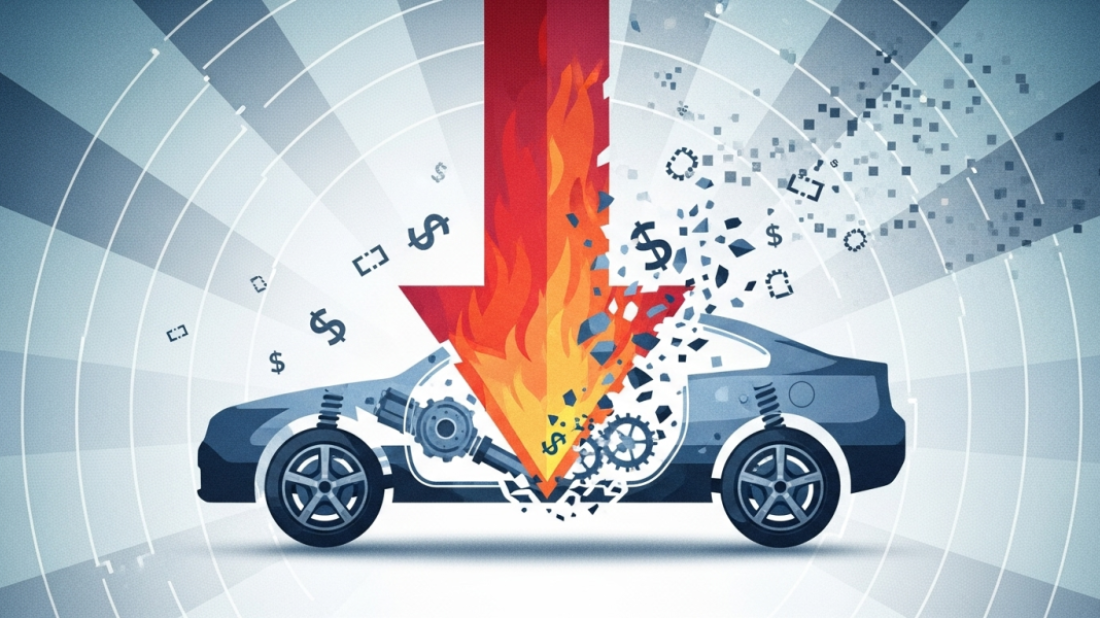
The freeze on President Donald Trump’s reciprocal tariffs ended on Friday, triggering new duties that Ford says have already cost it $2 billion and prompting warnings from global manufacturers and U.S. allies.
In a special Newshour segment, AnewZ's Guy Shone said the expiry of the tariff pause marked “the looming spectre of higher tariffs once again.” Correspondent Kate Fischer, reporting from Washington, said Ford’s estimate of a $2 billion hit from duties on steel and aluminium was “a very real price tag on what some are calling an economic gamble with global consequences.”
Ford said it had paid an additional $800 million in tariffs in the three months to June despite producing most of its cars in the United States. General Motors and Volkswagen have reported similar losses of about $1 billion and $1.5 billion, respectively.
At the same time, the White House hailed a new U.S.-EU trade agreement that reduces most European export tariffs to 15 %, down from a threatened 30 %. The deal commits the EU to $750 billion in U.S. energy purchases and $600 billion in investment by 2028. However, a 50 % tariff on imported steel and aluminium remains in place.
French Prime Minister Francois Bayrou called the accord “a dark day for the bloc,” while German Chancellor Friedrich Mertz said it risked “considerable damage” to European exporters.
AnewZ correspondent Oubai Shahbandar said the administration had made clear there would be no further extensions to the suspension. President Trump posted online that tariffs would “make America rich and great again,” despite calls from automakers for more time to adjust.
Thousands of young Georgians leave the country each year in search of better economic opportunities, with many moving west.As questions grow over Georgia’s European path, AnewZ spoke to people who have emigrated about what it would take for them to return.
Yemen’s Houthis have claimed responsibility for the recent drone and missile strikes on Saudi Aramco facilities in Dhahran and Riyadh and at King Khalid International Airport in Saudi Arabia, vowing to carry out more attacks in the coming days.
The Saudi-led coalition in Yemen said late Monday that it intercepted and destroyed two ballistic missiles launched by the Houthi group toward Khamis Mushait in southwestern Saudi Arabia.
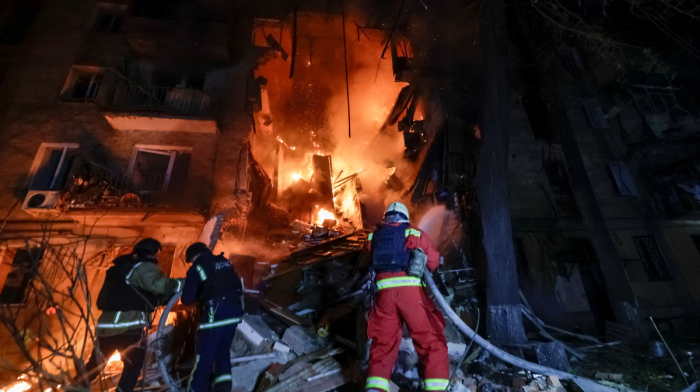
Ukrainian President Volodymyr Zelenskyy says Russia hit at least six energy targets in deadly strikes across Ukraine, showing Moscow is unwilling to accept the energy ceasefire announced by U.S. President Donald Trump.
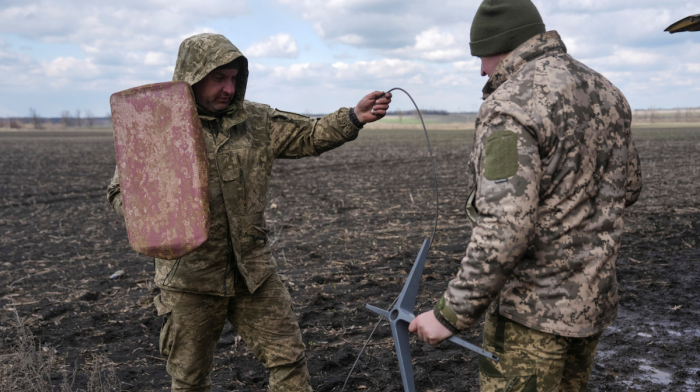
Ukraine's soldiers have had their access to Starlink satellite internet restricted. Kyiv's troops use the terminals, made by Elon Musk's SpaceX, to pilot drones. A source in Ukraine's Defence Ministry said the restrictions would make it harder for Kyiv's army to down Russian drones.
Ukraine is set to restart attacks on Russian oil refineries following a two-day pause, President Volodymyr Zelenskyy said, amid growing tensions with Washington over energy strikes and U.S. military support.
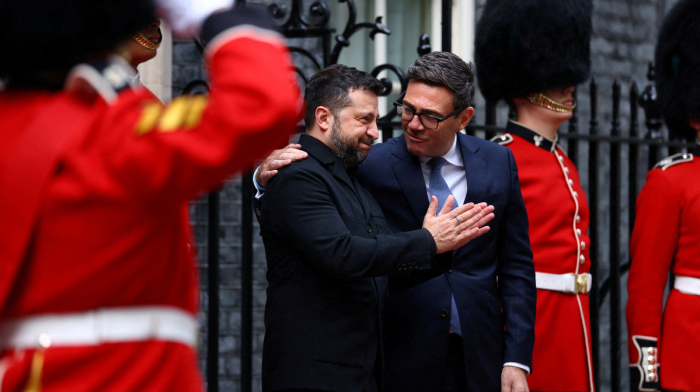
Britain has announced new military, energy and nuclear-safety support for Ukraine following President Volodymyr Zelenskyy’s talks with Prime Minister Andy Burnham in London.
A maritime dispute between Washington and Madrid is escalating after a U.S. federal agency proposed new measures that could affect Spanish shipping companies and a range of exports headed to the American market.
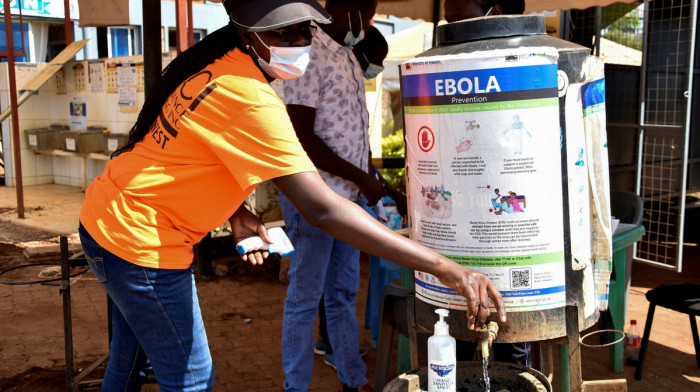
Kenya has confirmed a second case of Ebola, intensifying efforts to prevent the spread of the virus after the country recorded its first-ever infection earlier this month.
Ukraine's soldiers have had their access to Starlink satellite internet restricted. Kyiv's troops use the terminals, made by Elon Musk's SpaceX, to pilot drones. A source in Ukraine's Defence Ministry said the restrictions would make it harder for Kyiv's army to down Russian drones.
Download the AnewZ app
You can download the AnewZ application from Play Store and the App Store.












What is your opinion on this topic?
Leave the first comment