China raises gasoline and diesel prices as it pushes greener transport
China has raised the retail prices of petrol and diesel after global oil prices climbed sharply. The country&rsquo...
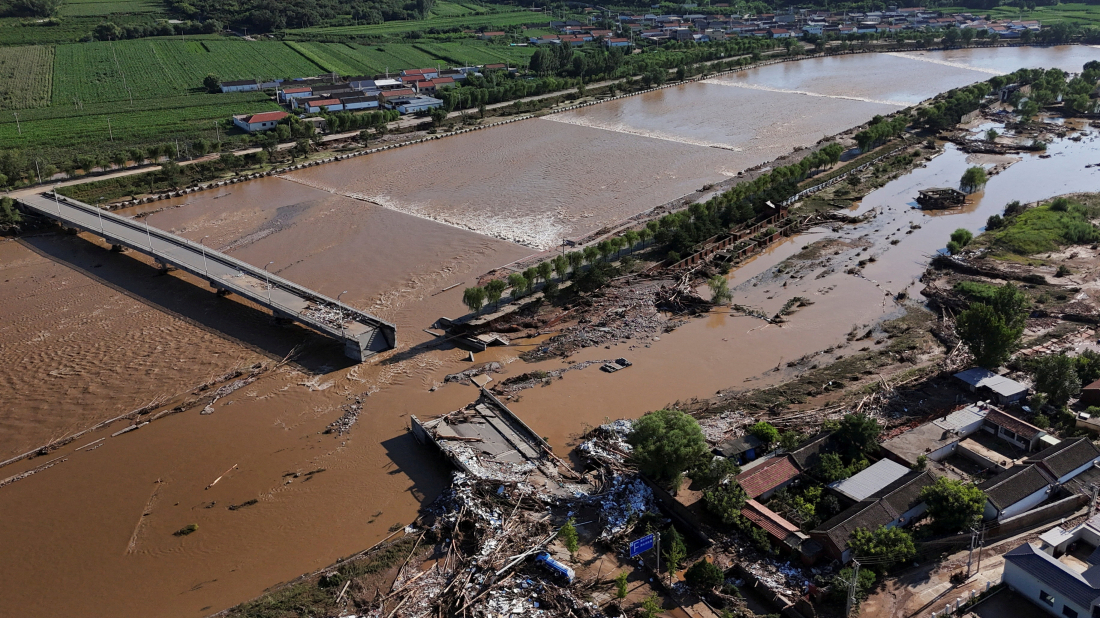
At least 60 people have lost their lives in northern China over the past week due to torrential rain, with around eighteen people still missing in Chengde.
One of the worst incidents occurred in a care home in Beijing’s Miyun district, where 31 elderly residents died during the devastating floods- the deadliest the capital has seen in years.
Heavy rainstorms began a week ago, reaching their peak on Monday across Beijing and neighbouring regions.
Miyun was particularly hard-hit, receiving up to 573.5 mm of rainfall, almost the city’s average annual total of 600 mm in a matter of days. Local media described the deluge as "extremely destructive."
In Hebei province, which borders the capital, 16 fatalities were reported due to the same weather system.
Elsewhere in Hebei, a landslide in a village north of the reservoir killed eight people on Monday, with four others still unaccounted for.
In Chengde, a city just outside Beijing, eight people were confirmed dead and 18 remain missing. The deaths were recorded in villages within the Xinglong area, close to Miyun and only 25 kilometres from the Miyun reservoir- northern China’s largest.
The reservoir saw unprecedented water levels and inflows during the storm. On Sunday alone, water surged into the dam at a peak rate of 6,550 cubic metres per second - the equivalent of about 2.5 Olympic-sized swimming pools each second.
The disaster has reignited concerns about the impact of climate change, with meteorologists linking the extreme rainfall to shifting climate patterns. Chinese officials have acknowledged that the severe weather has disrupted economic activity, citing it as a contributing factor to a slowdown in factory output.

Mojtaba Khamenei, son of the late Ayatollah Ali Khamenei, is a hardline cleric with strong backing from the Islamic Revolutionary Guard Corps. His rise signals continuity in Tehran's anti-Western policies.
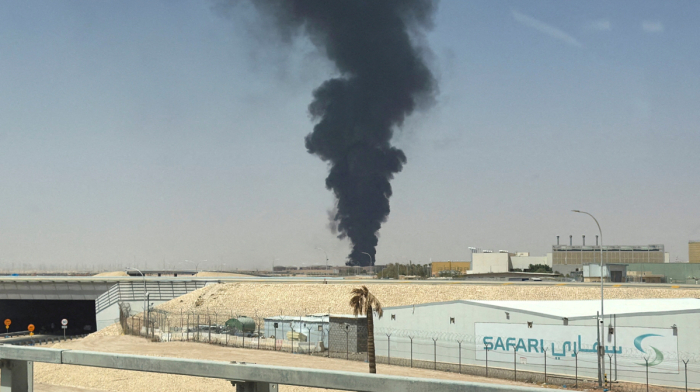
Global oil prices surpassed $119 a barrel on Monday (9 March, 2026), an almost four year high, as the Middle East conflict rumbled on.
China has urged Afghanistan and Pakistan to resolve their dispute through dialogue after Chinese envoy Yue Xiaoyong met Afghan Foreign Minister Amir Khan Muttaqi, as fighting between the two neighbours entered its eleventh day.
Welcome to our live coverage as the conflict involving Iran enters its 11th day. Tensions in the region remain high as the United States and Iran exchange increasingly sharp warnings over the strategic Strait of Hormuz, a critical artery for global oil supplies.
Entry and exit across the state border between Azerbaijan and Iran for all types of cargo vehicles, including those in transit, will resume on 9 March, according to a statement by the Cabinet of Ministers of Azerbaijan.
U.S. Ambassador to the United Nations, Mike Waltz, has addressed the U.N. Security Council, saying the world must consider how effective its engagement with the Taliban-run country is as millions face hunger.
British MPs have rejected a proposal to introduce an Australia-style ban on social media for under-16s, opting instead to give ministers flexible powers to impose restrictions on platforms.
Australia has granted humanitarian visas to five Iranian women footballers who sought asylum, fearing persecution after refusing to sing their national anthem at an Asia Cup match.
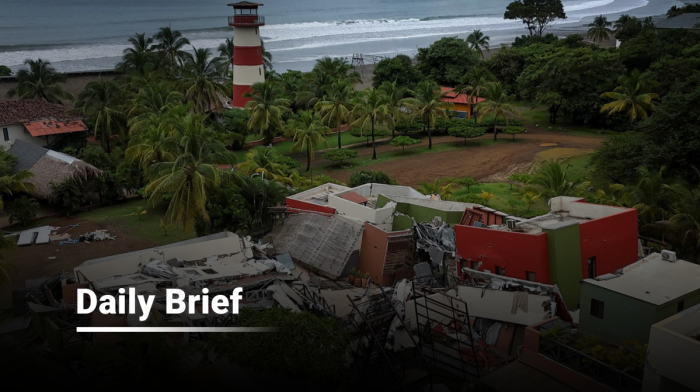
Start your day informed with AnewZ Morning Brief. Here are the top news stories for the 10th of March, covering the latest developments you need to know.
U.S. President Donald Trump called his recent phone conversation with Russian President Vladimir Putin “very good.” The two leaders spoke on Monday about the situation in Iran and other international issues.
You can download the AnewZ application from Play Store and the App Store.
What is your opinion on this topic?
Leave the first comment