Thousands of flights cancelled as Gulf hubs shut down over Iran-U.S. conflict
Global air travel remained in turmoil on Monday after U.S. and Israeli strikes on Iran and retaliatory strikes in the Gulf region prompted widespre...
China has introduced its first renewable energy consumption targets for key industrial sectors and data centres.
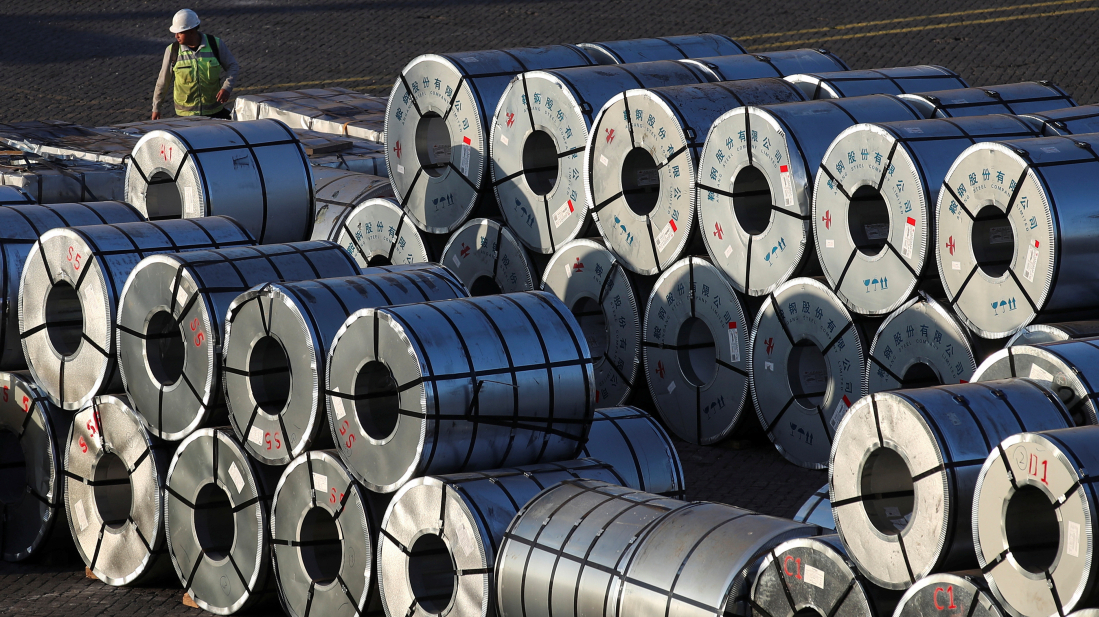
According to a notice from the National Development and Reform Commission on Friday, the new renewable portfolio standards (RPS) apply to the steel, cement, and polysilicon industries, as well as newly built data centres in national hub regions. These sectors must now meet specific renewable electricity quotas that vary by province.
For example, new data centres must source at least 80% of their power from renewables, while industrial targets range from 10.8% in mountainous Chongqing to 70% in hydropower-rich Yunnan. Wind and solar-heavy regions like Inner Mongolia, Gansu, and Qinghai face non-hydro renewable targets of up to 30%.
These standards are linked to China’s new contract-for-difference mechanism, which supports renewable energy pricing by compensating generators when market rates fall below a set benchmark. Targets for 2026 were also released as part of the plan; the targets typically rise a few percentage points each year.

Follow the latest developments and global reaction after the U.S. and Israel launched “major combat operations” in Iran, prompting retaliation from Tehran.
Ayatollah Alireza Arafi has moved into a pivotal constitutional role following the death of Supreme Leader Ayatollah Ali Khamenei, becoming the clerical member of Iran’s temporary leadership council under Article 111 of the Constitution of the Islamic Republic of Iran.
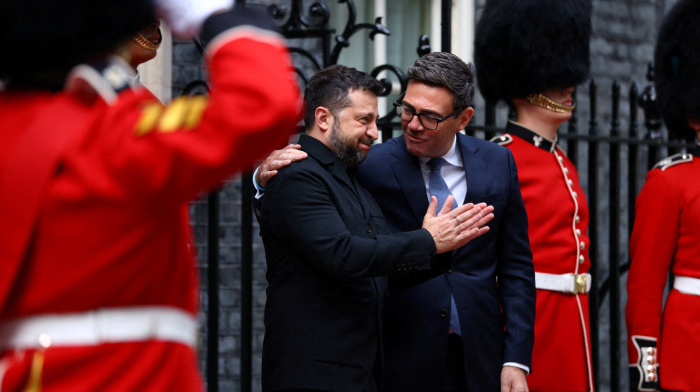
The Kremlin is utilising the recent United States and Israeli military strikes on Iran to validate its ongoing war in Ukraine. Russian officials are pointing to the escalation in the Middle East as evidence that Western nations do not adhere to international rules.
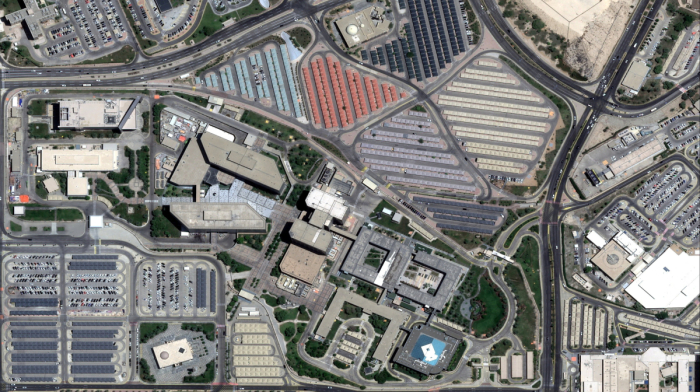
Saudi Arabia’s state oil giant Saudi Aramco closed its Ras Tanura refinery on Monday following an Iranian drone strike, an industry source told Reuters as Tehran retaliated across the Gulf after a U.S.-Israeli attack on Iranian targets over the weekend.
The Middle East crisis intensifies after the deadly attack on Iran's Supreme Leader Ali Khamenei's compound on Saturday that killed him, wife and other family members and senior figures. Iran has launched retaliatory strikes on U.S. targets in the region.
The UK said it's allowing the U.S. to use its bases for defensive strikes against Iran amid escalating missile attacks, after a suspected drone strike hit a British airbase in southern Cyprus, causing limited damage.
The Kremlin is utilising the recent United States and Israeli military strikes on Iran to validate its ongoing war in Ukraine. Russian officials are pointing to the escalation in the Middle East as evidence that Western nations do not adhere to international rules.
European Union stands with its member states in the face of any threat, EU Commission President Ursula von der Leyen said in response to the drone strike that hit Britain's Royal Air Force base of Akrotiri in southern Cyprus overnight.
Start your day informed with AnewZ Morning Brief. Here are the top news stories for the 27th of February, covering the latest developments you need to know.
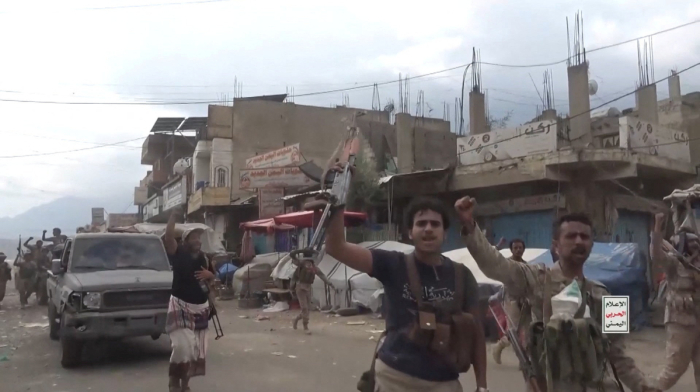
Protests broke out in Pakistan and Iraq on Sunday after Iranian state media confirmed that Supreme Leader Ayatollah Ali Khamenei had been killed in joint U.S.–Israeli strikes. At least nine people were reported dead in clashes near the U.S. consulate in Karachi.
You can download the AnewZ application from Play Store and the App Store.
What is your opinion on this topic?
Leave the first comment