Start your day informed with AnewZ Morning Brief: here are the top news stories for 8th July, covering the latest developments you need to know.
1. Trump announces 25% tariffs on goods from Japan, South Korea in letters to leaders
President Donald Trump on 7 July began telling trade partners - from powerhouse suppliers such as Japan and South Korea to minor players - that sharply higher U.S. tariffs will start 1 August, marking a new phase in the trade war he launched in earlier 2025.
The 14 countries sent letters so far, which included smaller U.S. exporters like Serbia, Thailand and Tunisia, hinted at opportunities for additional negotiations while at the same time warning that any reprisal steps would be met with a like-for-like response.
“If for any reason you decide to raise your Tariffs, then, whatever the number you choose to raise them by, will be added onto the 25% that we charge,” Mr Trump said in letters, released on his Truth Social platform, to Japan and South Korea.
2. More than a 100 dead in Texas flash floods as search for missing continues
The death toll in the devastating flash floods in Texas has risen to 104 people, according to local authorities, as search and recovery efforts continue across several counties.
Flash floods across central Texas over the Fourth of July weekend have killed more than a 100 people, with search operations still underway for those missing, including several girls attending a summer camp in Kerr County.
3. Netanyahu meets Trump at The White House as Israel, Hamas discuss ceasefire
U.S. President Donald Trump, hosting Israeli Prime Minister Benjamin Netanyahu at The White House on Monday, said the United States had scheduled talks with Iran and indicated progress on a controversial effort to relocate Palestinians out of Gaza.
Speaking to reporters at the beginning of a dinner between U.S. and Israeli officials, Netanyahu said the United States and Israel were working with other countries who would give Palestinians a "better future," suggesting that the residents of Gaza could move to neighboring nations.
4. Trump says U.S. will send more weapons to Ukraine
U.S. President Donald Trump said on Monday the United States would send more weapons to Ukraine, primarily defensive ones, to help the war-torn country defend itself against intensifying Russian advances.
Washington's decision to halt some weapons shipments to Kyiv prompted it to warn the move would crimp its ability to fend off Russia's air strikes and battlefield advances, while drawing criticism from Democrats and some of Trump’s fellow Republicans.
5. China extends visa-free entry to more than 70 countries to draw tourists
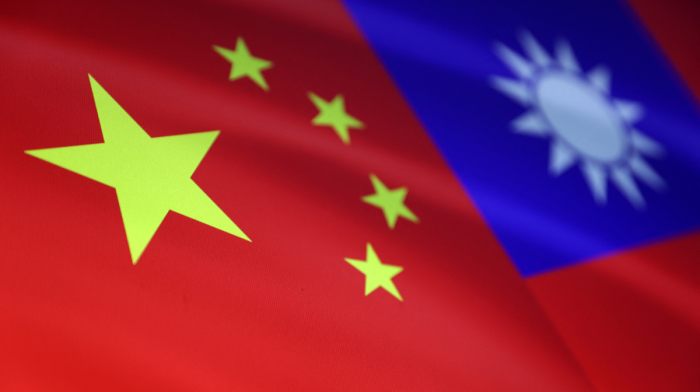
Foreign tourists are trickling back to China after the country loosened its visa policy to unprecedented levels. Citizens from 74 countries can now enter China for up to 30 days without a visa, a big jump from previous regulations.
The government has been steadily expanding visa-free entry in a bid to boost tourism, the economy and its soft power. More than 20 million foreign visitors entered without a visa in 2024 — almost one-third of the total and more than double from the previous year, according to the National Immigration Administration.














What is your opinion on this topic?
Leave the first comment