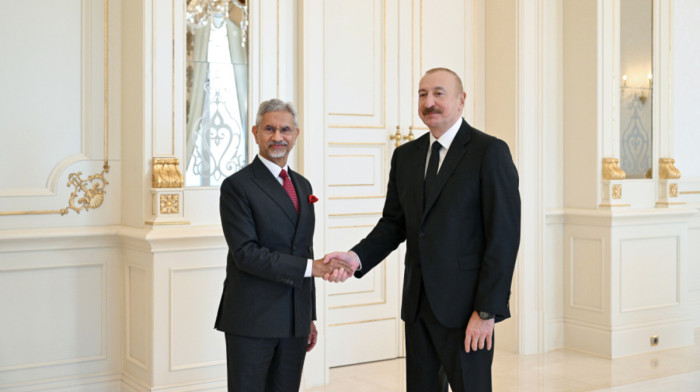
Israeli security warning highlights risks to Azerbaijan’s key energy infrastructure
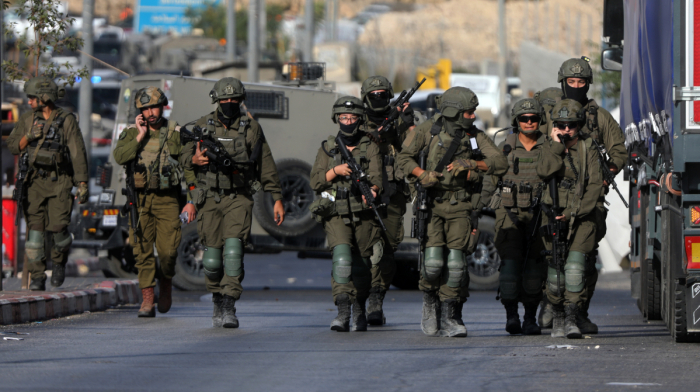
A rare Israeli security statement warning of an alleged Iranian-linked plot targeting global sites, including a key Azerbaijani pipeline, has drawn...
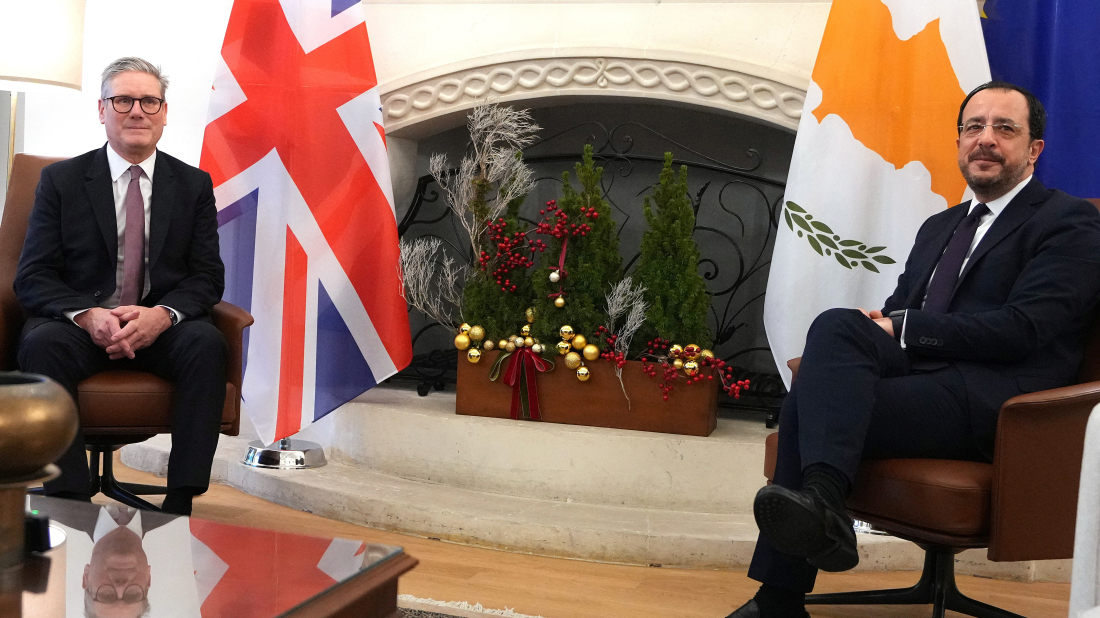
UK Prime Minister Keir Starmer's historic visit to Cyprus underscores strengthened ties as the island aligns with the West, shedding its Russian-linked past. Talks focused on sanctions expertise, regional stability, and Britain's role as a guarantor of Cypriot independence.
Britain and Cyprus pledged on Tuesday to boost ties during a visit by UK Prime Minister Keir Starmer, in an endorsement of the pro-west tilt the Mediterranean island has taken since Russia's invasion of Ukraine.
A former British colony, Cyprus has worked hard to shake off a reputation as a haven for Russian businesses and light-touch regulation, and is aligned with the west over Russia and amid growing turmoil in the Middle East.
Starmer, on a multi-day visit to the Middle East, was in Cyprus on Tuesday, the first visit of a British prime minister to the former colony since Edward Heath in 1971.
After a short welcoming ceremony, Starmer told Cypriot President Nikos Christodoulides he felt privileged to be there.
Christodoulides was received at the White House earlier this year in a first by a Cypriot president in almost three decades.
Britain has offered expertise for the island to create a sanctions unit, which was a focus of discussions. It still plays a role in Cypriot affairs as one of three guarantor powers of Cypriot independence, along with Turkey and Greece.
Starmer visited service personnel and families at RAF Akrotiri, a British military base on the southern coast.
Tuesday's visit drew criticism from breakaway North Cyprus, a statelet recognised only by Ankara, for ignoring the Turkish Cypriots as the other main party in the Cyprus conflict.

Iran accuses the United States of breaching a ceasefire after a commercial ship was seized in the Gulf of Oman, vowing retaliation, as Israel warns south Lebanon residents to avoid restricted areas.
Progessive Bulgaria, led by pro-Russian Eurosceptic Rumen Radev is on track to form Bulgaria’s next government, after official results showed a runaway victory for the coalition in the Balkan nation's parliamentary elections on Monday (20 April).
Pakistan is confident it can bring Iran to talks with the United States, a senior official said, citing “positive signals” from Tehran, as JD Vance is reportedly set to visit Islamabad on Tuesday for peace talks, according to Axios.
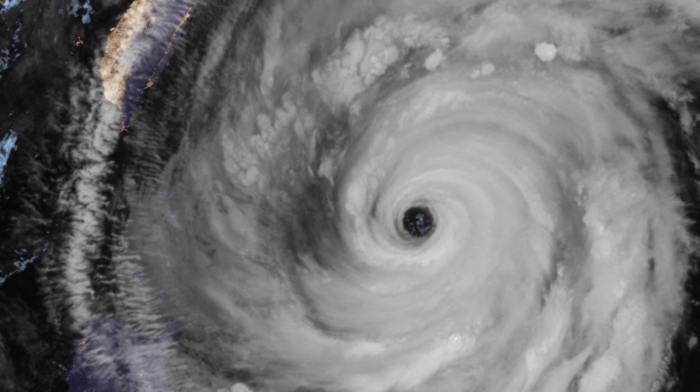
A powerful 7.5 magnitude earthquake has struck off Japan’s north-eastern coast, triggering urgent tsunami warnings with waves of up to 3 metres expected, prompting residents to seek immediate safety.
Blue Origin, the U.S. space company of billionaire Amazon founder Jeff Bezos, successfully reused and recovered a booster for its New Glenn rocket launched from Florida on Sunday (19 April), in the latest chapter of its intensifying rivalry with Elon Musk’s SpaceX.
Britain’s government outlined plans on Tuesday (21 April) to reduce household energy bills by encouraging wind and solar producers to adopt long-term fixed contracts.
The escalating conflict involving Iran, the U.S. and Israel is fuelling what could become the most severe energy crisis the world has ever faced, according to the head of the International Energy Agency (IEA).
A Canadian woman has been shot dead and 13 others injured in a shooting at the Teotihuacan pyramids on Monday, one of Mexico’s most visited tourist attractions.
Start your day informed with AnewZ Morning Brief. Here are the top news stories for the 21st of April, covering the latest developments you need to know
Japan on Tuesday unveiled its biggest overhaul of defence export rules in decades, scrapping restrictions on overseas arms sales and opening the way for exports of warships, missiles and other weapons.
You can download the AnewZ application from Play Store and the App Store.
What is your opinion on this topic?
Leave the first comment