Oil prices hit four year high: Latest news on the Middle East conflict on 9 March
Global oil prices reached a four year high on Monday (9 March), surpassing $...
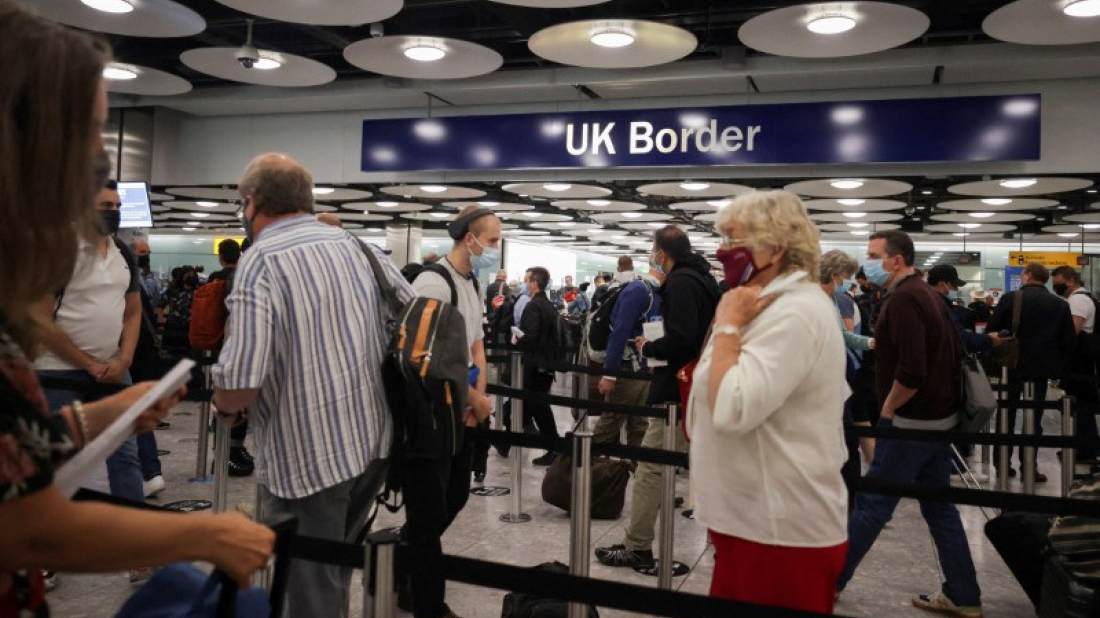
From Wednesday, European visitors to Britain will need to purchase an Electronic Travel Authorisation (ETA) before arriving, as the UK implements new pre-entry screening measures to tighten border controls.
The ETA scheme, already in place for non-European travellers from countries like the U.S., Canada, and Australia, now extends to EU citizens. The permit costs £10 (€12) until April 9, when the price rises to £16. Irish citizens are exempt.
Approved ETAs allow multiple UK visits of up to six months over a two-year period. Applications are processed through the UK ETA app and typically approved within minutes. Travellers must submit a photo, passport details, and answer questions on criminal history and eligibility.
Airlines, ferry companies, and rail operators will be responsible for checking ETA status before boarding.
Migration minister Seema Malhotra said the expanded system shows the UK’s commitment to using technology to enhance security.
Britain welcomed 22.5 million EU visitors in 2023, up from 19 million the previous year. Airlines like easyJet said the change is unlikely to impact demand.
The move precedes similar EU rules set to take effect in October. The bloc’s Entry/Exit System (EES) will digitally record non-EU travellers’ border crossings, replacing manual passport stamps with biometric scans. That system will be followed by ETIAS, which will require non-Schengen travellers, including Britons, to obtain a permit before entry.
Currently, Britons pay about £17 for a similar U.S. travel authorisation.

Mojtaba Khamenei, son of the late Ayatollah Ali Khamenei, is a hardline cleric with strong backing from the Islamic Revolutionary Guard Corps. His rise signals continuity in Tehran's anti-Western policies.
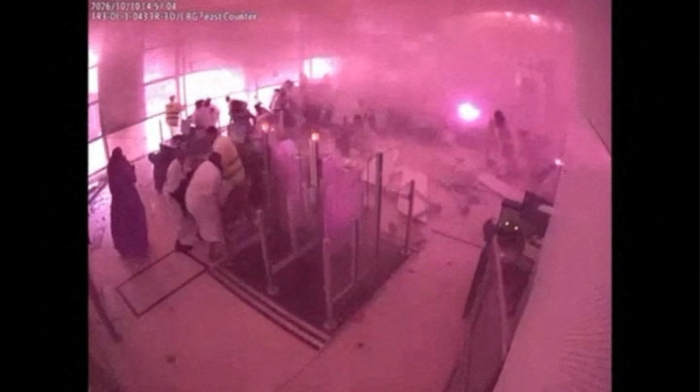
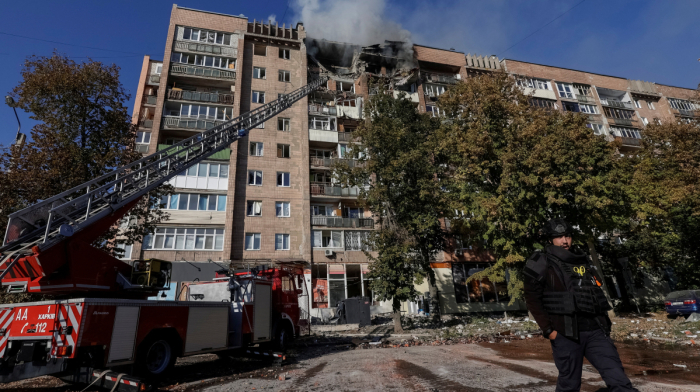
Trump says the United States "don’t need people that join wars after we’ve already won," targeting his criticism at UK Prime Minister Keir Starmer. Israel continues to fire missles at strategic sites in Iran and Gulf regions report more strikes from Iran.
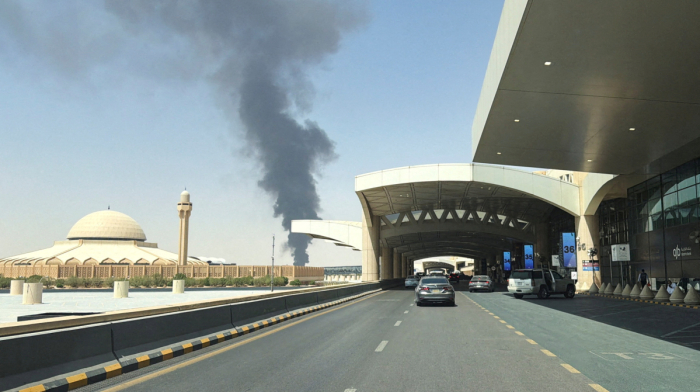
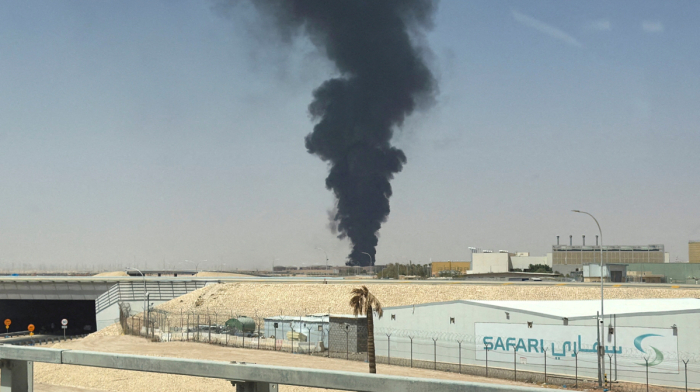
Global oil prices surpassed $119 a barrel on Monday (9 March, 2026), an almost four year high, as the Middle East conflict rumbled on.
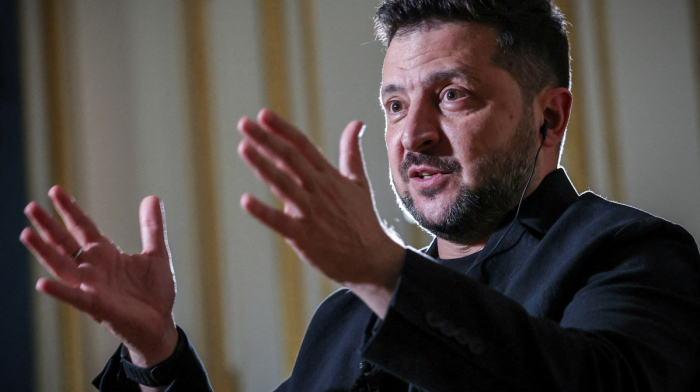
Iran named Mojtaba Khamenei to succeed his father Ali Khamenei as supreme leader on Monday (9 March), signaling that hardliners remain firmly in charge, as the week-old U.S.-Israeli war with Iran pushed oil above $100 a barrel.
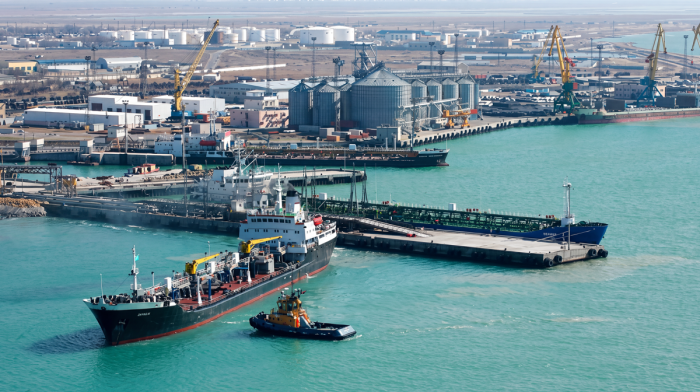
Entry and exit across the state border between Azerbaijan and Iran for all types of cargo vehicles, including those in transit, will resume on 9 March, according to a statement by the Cabinet of Ministers of Azerbaijan.
Emirates and Etihad Airways were resuming limited flight schedules to key global cities from their United Arab Emirates hubs on Friday (6 March), though the ongoing threat of missile fire piled pressure on airlines.
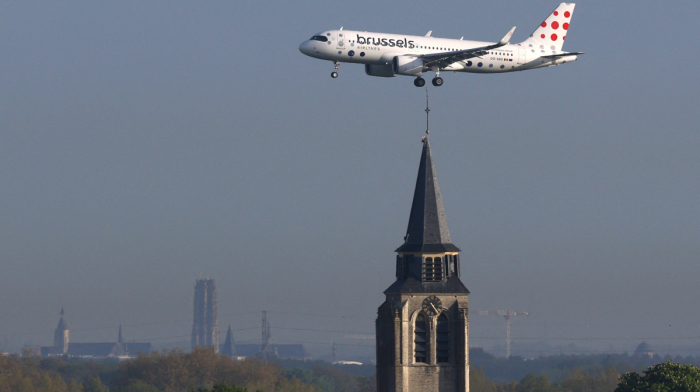
Air fares between Asia and Europe have surged after major Gulf hubs, including Dubai, partially reopened following closures linked to the conflict between Israel, the U.S. and Iran. Airlines are still rerouting flights around restricted airspace, cutting economy seat supply and pushing up prices.
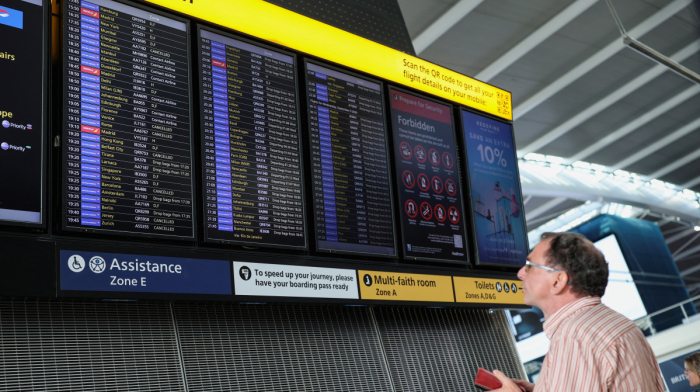
Global air travel remained in turmoil on Monday after U.S. and Israeli strikes on Iran and retaliatory strikes in the Gulf region prompted widespread airspace closures across the Middle East, disrupting one of the world’s most important aviation corridors.
Chinese travellers made an estimated 362.58 million cross-regional passenger trips on Monday, the final day of the Spring Festival holiday, according to official data.
A powerful winter storm has brought large parts of the U.S. Northeast to a standstill, dumping more than 30 cms (a foot) of snow across several states and severely disrupting transport and daily life.
You can download the AnewZ application from Play Store and the App Store.
What is your opinion on this topic?
Leave the first comment