Trump threatens tariffs on any nation supplying Cuba with oil
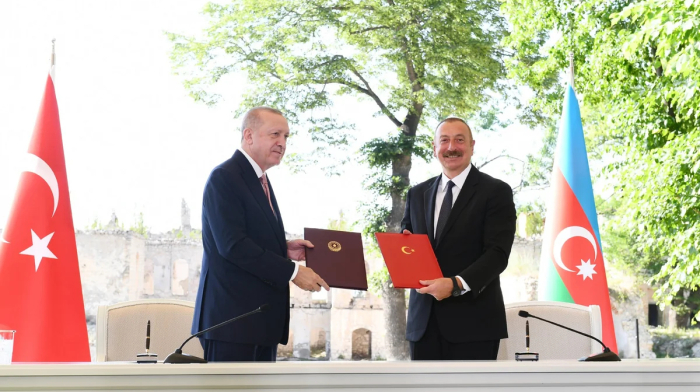
U.S. President Donald Trump has warned of tariffs on countries supplying oil to Cuba on Thursday (29 January), as Washington ramps up pressure on the ...
Google on Wednesday rolled out an update for iOS that lets users search what’s on their screen with a simple gesture. The new feature, available in both the Google Chrome and Google Search apps, is similar to Android’s built-in “Circle to Search” function.
At launch, iPhone users can initiate a visual search via Google Lens by drawing, highlighting, or tapping on elements on their screen. For example, if you’re reading an article and come across an image of an art piece, you can circle the image to quickly learn more about it. Likewise, if a video catches your eye, you can use Lens to find similar items.
The idea behind the update is to allow users to perform visual searches directly while browsing without having to take a screenshot or open a new tab. After highlighting or tapping, users are presented with visual matches and related results. They can then tap “Add to your search” to refine their query by color, brand, or other details, or ask follow-up questions for more information.
To access the new functionality, users should open the three-dot menu in either the Chrome or Google app and select “Search Screen with Google Lens.” In the coming months, Google plans to introduce a dedicated Lens icon in the address bar for easier access.
In addition to the visual search update, Google announced an expansion of AI Overviews. Previously, Lens searches that combined images and text featured AI Overviews at the top of the results page. Now, users will begin to see these overviews even when no additional text or questions are added to their search. For instance, snapping a picture of a car will prompt an AI Overview that provides a quick snapshot of details and links to further resources.
The update is rolling out globally on iOS this week, with plans to extend the feature to Chrome on both desktop and mobile devices soon.
Liverpool confirmed direct qualification to the UEFA Champions League round of 16 with a 6-0 win over Qarabağ at Anfield in their final league-phase match. Despite the setback, Qarabağ secured a play-off spot, with results elsewhere going in the Azerbaijani champions’ favour on the final matchday.
China is supplying key industrial equipment that has enabled Russia to speed up production of its newest nuclear-capable hypersonic missile, an investigation by The Telegraph has found, heightening concerns in Europe over Moscow’s ability to threaten the West despite international sanctions.
Storm Kristin has killed at least five people and left more than 850,000 residents of central and northern Portugal without electricity on Wednesday (28 January), as it toppled trees, damaged homes, and disrupted road and rail traffic before moving inland to Spain.
Russian President Vladimir Putin said he was ready to assist in rebuilding Syria’s war-damaged economy as the country's interim President Ahmad al-Sharaa made his second visit to Moscow in less than four months on Wednesday (28 January).
Start your day informed with AnewZ Morning Brief: here are the top news stories for the 28 January, covering the latest developments you need to know.
China has approved the first batch of Nvidia's H200 artificial intelligence (AI) chips after Washington allowed limited sales, paving the way for major Chinese technology companies to gain access to processors that remain far ahead of domestic alternatives.
TikTok has reached a confidential settlement in a landmark lawsuit over youth mental health, leaving Meta and YouTube to face a jury in California as the first major trial of its kind gets underway.
China has successfully completed its first metal 3D printing experiment in space, marking a significant step forward in the country’s efforts to develop in-orbit manufacturing capabilities.
A faint hand outline found in an Indonesian cave has been dated to at least 67,800 years ago, making it the oldest known example of rock art and offering new insight into early human migration across Southeast Asia.
New modelling suggests Mars shapes some of Earth’s long-term orbital rhythms, including shorter eccentricity cycles and a 2.4-million-year pattern that vanishes without its gravitational pull.
You can download the AnewZ application from Play Store and the App Store.
What is your opinion on this topic?
Leave the first comment