Iran demands urgent UN Security Council meeting after U.S.-Israel strikes
Following the U.S.-Israel strikes, Iran has called for an urgent meeting of the United Nations Security Council to be held on Monday (2 March), and vo...
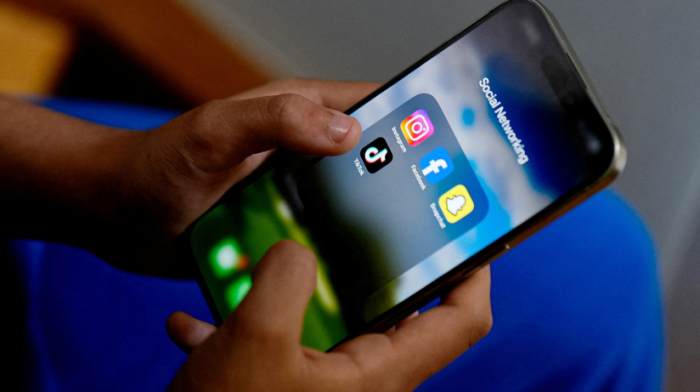
Mountain View, CA, February 19, 2025 – Google has pulled its AI assistant Gemini from the main Google app on iOS devices and is now directing users to download a dedicated Gemini app from the App Store.
The move is aimed at strengthening Google’s position in the competitive landscape of consumer-facing AI chatbots, such as ChatGPT, Claude, and Perplexity.
In an email sent to users, Google warned that “Gemini is no longer available in the Google app” and advised iOS users to download the standalone Gemini app to continue using the service. Launched to iOS users worldwide late last year, the Gemini app offers features including voice conversations via Gemini Live, integration with other Google apps like Search, YouTube, Maps, and Gmail, as well as capabilities for asking questions, planning trips, receiving AI-generated summaries, and even creating images. Users can interact with Gemini through text, voice, or by using their camera.
Google also reminded customers that, as with any AI tool, Gemini can occasionally produce inaccurate results, urging users to double-check its responses. Additionally, those interested in upgrading to a paid subscription for access to Gemini Advanced can do so through the Google One AI Premium plan available as an in-app purchase on iOS.
If an iOS user attempts to access Gemini via the main Google app, a full-screen message appears stating “Gemini now has its own app” along with a link to the App Store download.
While this strategy could enable Google to roll out new AI features more quickly and compete more directly with other AI services, it also risks reducing Gemini’s reach. The main Google app is used by millions, and some users may not be motivated to download an additional application, potentially leading to a drop-off in usage.
The change underscores the broader trend of tech companies refining their app ecosystems to deliver specialized experiences, even as they balance the convenience of integrated services with the need to innovate rapidly in the competitive AI market.
Follow the latest developments and global reaction after the United States and Israel launched "major combat operations" in Iran, prompting retaliation from Tehran.
Tensions between the U.S. and Iran are escalating, with Washington ordering a significant military build-up in the region and multiple countries evacuating diplomatic staff amid fears of further instability.
Two people were killed and around 40 injured when a tram derailed in central Milan on Friday (27 February), a spokesperson for the local fire service said.
The United States is expected to deploy six additional aerial refuelling aircraft to Israel as Washington continues to strengthen its military presence in the Middle East while nuclear negotiations with Iran remain under way.
Pakistani air strikes hit a weapons depot on the western outskirts of Kabul overnight, triggering hours of secondary explosions that rattled homes across the Afghan capital and left residents fearing further violence.
South Korea will soon cease to be one of the few countries where Google Maps does not function fully, after its security-conscious government reversed a two-decade-old policy and approved the export of high-precision map data to overseas servers.
New research suggests 40,000-year-old carved objects from south-western Germany bear repeated marks arranged in organised sign sequences similar to early proto-cuneiform, although they are not regarded as a form of writing.
The chief executive of Google DeepMind, Demis Hassabis, has called for more urgent research into the risks posed by artificial intelligence, warning that stronger safeguards are needed as systems become more advanced.
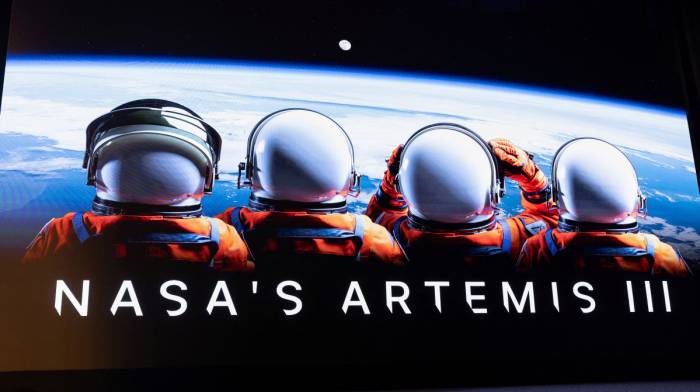
NASA successfully completed a critical fueling rehearsal on Thursday (19 February) for its giant moon rocket, Artemis II, after earlier hydrogen leaks disrupted preparations for the next crewed lunar mission. The launch is scheduled for 6 March, according to the latest information from NASA.
ByteDance will take steps to prevent the unauthorised use of intellectual property on its artificial intelligence (AI) video generator Seedance 2.0, the Chinese technology firm said on Monday.
You can download the AnewZ application from Play Store and the App Store.
What is your opinion on this topic?
Leave the first comment