live Oil tankers ablaze near Iraq after Iranian strikes - Thursday, 12th March
Iran set ablaze two tankers in Iraqi waters as it stepped up attacks on oil and transport facilities across the Mi...
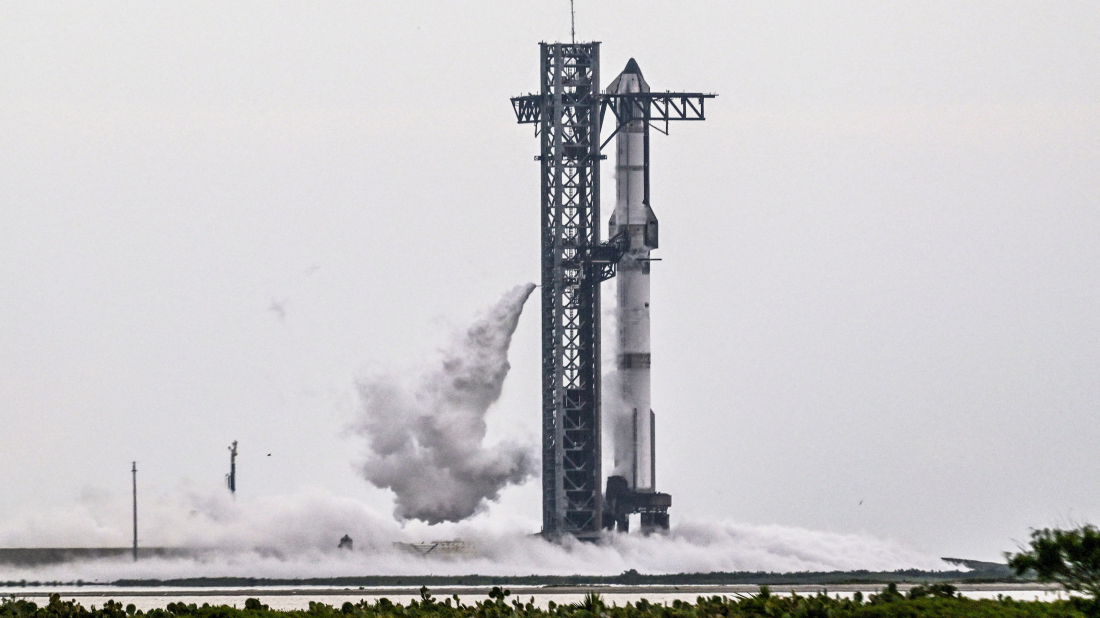
Space X will attempt to launch its super heavy booster rocket, Starship tonight after it was postponed on Monday night due to weather conditions at its starbase in Texas, United States.
The rocket was originally scheduled to launch on Sunday but was shelved due to a liquid oxygen leak at the Starship launchpad.
Owner Elon Musk, took to X to announce this postponement with the new date and time slated for Tuesday evening 7:30pm local time.
Development of SpaceX's next-generation rocket, key to the company's powerful launch business and Musk's goal to send humans to Mars, has faced repeated hiccups this year.
Two Starship testing failures early in flight, another failure in space on its ninth flight, and a massive test stand explosion in June that sent debris flying into nearby Mexican territory.
On its flight, the starship was expected to deploy Space X’s more advanced V3 Starlink satellites, with each launch adding more than “20x the network capacity of current Falcon 99 flights” according to a post on the company’s X account.
The 232-feet (71-metres) tall Super Heavy booster and its 171-feet (52-metres) tall Starship upper half, which together make it taller than New York's Statue of Liberty.
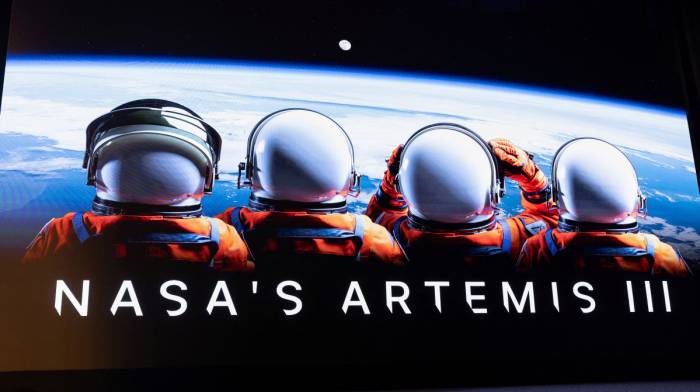
NASA hopes to use the rocket as soon as 2027 for its first crewed moon landing since the Apollo program.
Whenever Starship can launch, the rocket system will lift off from Texas and separate in half dozens of miles in altitude, with its Super Heavy booster returning for a water landing off the Texas coast, while Starship ignites its own engines to blast further into space.
Musk aims to use Starship to launch larger batches of Starlink satellites, which have so far been deployed by SpaceX's workhorse Falcon 9 rocket, into space.
"In about 6 or 7 years, there will be days where Starship launches more than 24 times in 24 hours," Musk said on Sunday, replying to a user on X.
The 32 countries belonging to the Internatioanl Energy Agency agreed to release 400 million barrels of oil on Wednesday (11 March), in efforts aimed at bringing down the price of crude oil, which has soared since fighting between Iran, Israel and the U.S. started at the end of February.
U.S. President Donald Trump called his recent phone conversation with Russian President Vladimir Putin “very good.” The two leaders spoke on Monday about the situation in Iran and other international issues.
A towering lava fountain from Kilauea shot about 400 metres into the air late on Tuesday (11 March) on Hawaii Island, prompting temporary closures at Hawaii Volcanoes National Park and part of a key highway as volcanic ash and debris fell over nearby areas.
Start your day informed with AnewZ Morning Brief. Here are the top news stories for the 10th of March, covering the latest developments you need to know.
Australia has granted humanitarian visas to five Iranian women footballers who sought asylum, fearing persecution after refusing to sing their national anthem at an Asia Cup match.
Chinese electric vehicle giant BYD is pushing to make charging an electric car almost as quick and convenient as filling up a traditional petrol vehicle - a move that could help remove one of the biggest barriers to wider electric vehicle adoption.
South Korea will soon cease to be one of the few countries where Google Maps does not function fully, after its security-conscious government reversed a two-decade-old policy and approved the export of high-precision map data to overseas servers.
New research suggests 40,000-year-old carved objects from south-western Germany bear repeated marks arranged in organised sign sequences similar to early proto-cuneiform, although they are not regarded as a form of writing.
The chief executive of Google DeepMind, Demis Hassabis, has called for more urgent research into the risks posed by artificial intelligence, warning that stronger safeguards are needed as systems become more advanced.
NASA successfully completed a critical fueling rehearsal on Thursday (19 February) for its giant moon rocket, Artemis II, after earlier hydrogen leaks disrupted preparations for the next crewed lunar mission. The launch is scheduled for 6 March, according to the latest information from NASA.
You can download the AnewZ application from Play Store and the App Store.
What is your opinion on this topic?
Leave the first comment