U.S. ‘agrees to Iranian demand to move nuclear talks from Türkiye’
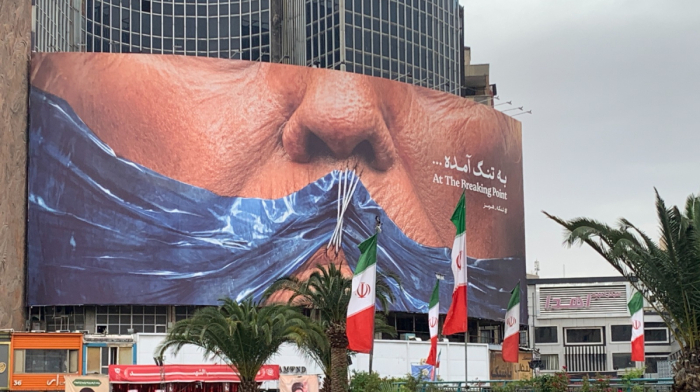
Washington has accepted Tehran’s request to relocate planned nuclear talks, with negotiations now expected to take place in Oman on Friday (6 Februr...
Think tanks from the Organization of Turkic States met in Baku to strengthen regional cooperation. Experts discussed geopolitical shifts, economic plans, and cultural ties, highlighting unity, the Zangezur Corridor, and strategic projects under the 2022–2026 roadmap.
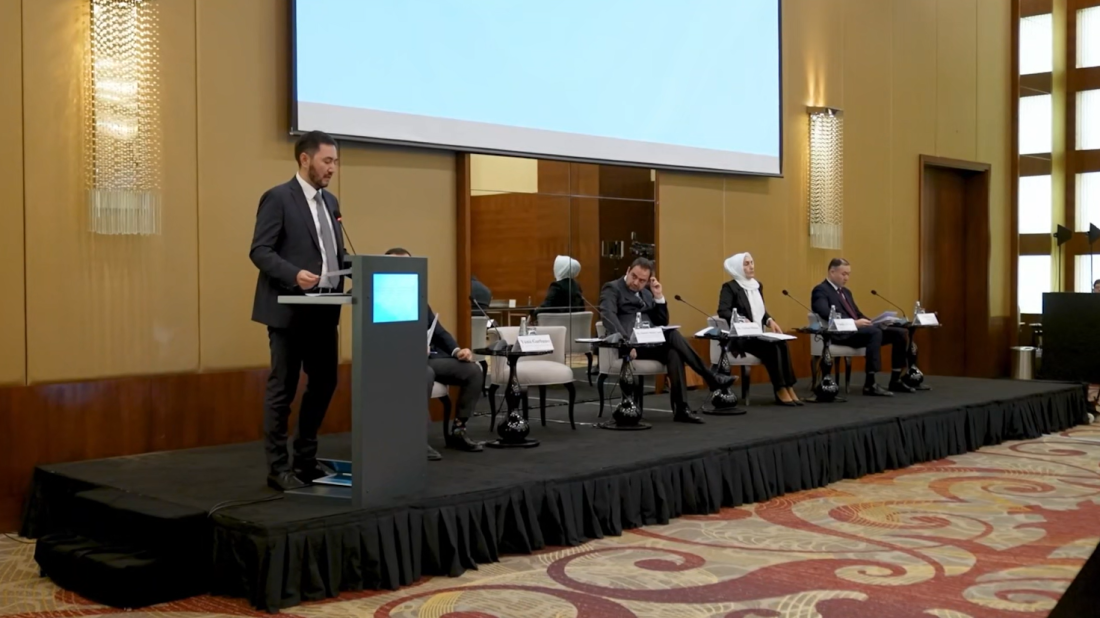
Ahead of the upcoming Organization of Turkic States (OTS) Summit in October, leading think tanks and regional experts from member and observer countries gathered in Baku for a high-level conference titled “OTS as a Regional Actor During Global Uncertainty.” The event focused on strengthening political, economic, and cultural cooperation among Turkic nations to collectively address regional challenges and increase the OTS’s global influence.
Farid Shafiyev, Chairman of the Azerbaijani Center of Analysis of International Relations, stressed that growing unity among member states is shifting the geopolitical balance in the region. He noted that over the past two years, coordinated disinformation campaigns have targeted the OTS, especially amid developments in the Middle East. Shafiyev emphasized the importance of the think tank forum in crafting joint responses to such challenges and underscored the need for flexibility, given the complex geopolitical realities faced by Turkic countries.
OTS Deputy Secretary General Ömer Koçaman highlighted the organization’s ongoing strategic initiatives under its 2022–2026 roadmap. He pointed to key projects in areas such as the economy, transportation, tourism, media, and youth development. Koçaman underlined that shared history, language, and cultural ties remain at the core of the OTS’s strength and offer significant strategic value. He also emphasized the importance of innovation and adaptability as the organization encounters new ideas and changing global conditions.
The conference also addressed recent positive developments in the South Caucasus, particularly the normalization process between Azerbaijan and Armenia. Participants noted that the peace talks could pave the way for new regional energy and transport links. Among these, the Zangezur Corridor was highlighted as a vital route that could enhance connectivity and stability across Turkic states, further solidifying regional integration and cooperation.

Heavy snow continued to batter northern and western Japan on Saturday (31 January) leaving cities buried under record levels of snowfall and prompting warnings from authorities. Aomori city in northern Japan recorded 167 centimetres of snow by Friday - the highest January total since 1945.
The United States accused Cuba of interfering with the work of its top diplomat in Havana on Sunday (1 February) after small groups of Cubans jeered at him during meetings with residents and church representatives.
Talks with the U.S. should be pursued to secure national interests as long as "threats and unreasonable expectations" are avoided, President Masoud Pezeshkian posted on X on Tuesday (3 February).
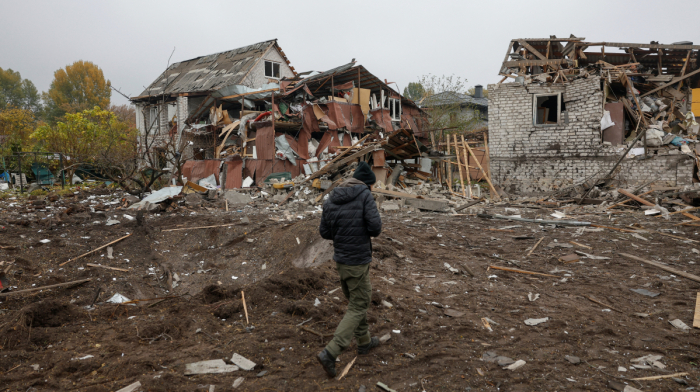
At least 12 people were killed and seven wounded after a Russian drone struck a bus carrying miners in Ukraine's southeastern Dnipropetrovsk region, government officials said on Sunday (1 February).
Cuba’s Deputy Foreign Minister Carlos Fernández de Cossío has denied that Havana and Washington have entered formal negotiations, countering recent assertions by U.S. President Donald Trump, while saying the island is open to dialogue under certain conditions.
Washington has accepted Tehran’s request to relocate planned nuclear talks, with negotiations now expected to take place in Oman on Friday (6 Februrary), Axios reported.
Afghanistan Ministry of Public Health has launched the country’s first polio vaccination campaign of 2026, saying around 7.3 million children under the age of five are expected to receive oral drops during the round.
Türkiye’s defence and aerospace exports surged by 44 percent year on year in January 2026, hitting a record monthly high of more than $555 million as overseas demand for Turkish-built military technology continued to grow, the Turkish Defence Industries Secretariat said on Monday (2 February).
Kazakhstan sharply increased oil shipments to Europe in January, exporting 310,000 tonnes to Germany and sending a further 106,000 tonnes via the Baku–Tbilisi–Ceyhan (BTC) pipeline.
Kazakhstan has approved plans for a second nuclear power plant in a significant scaling up of the country's nuclear ambitions. It comes a year after a referendum, which suggested more than 71 per cent support for the project, but which was also accompanied by allegations of irregularities.
You can download the AnewZ application from Play Store and the App Store.
What is your opinion on this topic?
Leave the first comment