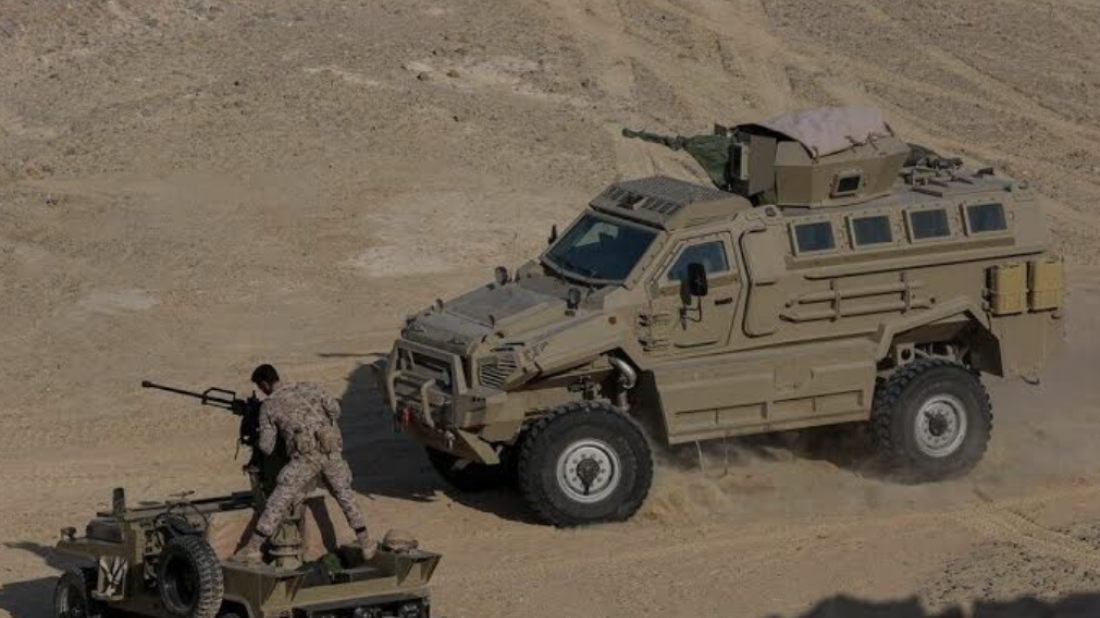
Pashinyan rules out war with Azerbaijan while vowing continued military modernisation
On Armenia’s 34th Army Day, PM Nikol Pashinyan declared that peace with Azerbaijan is established, yet emphasised the necessity of robust defensive ...
Ali Akbar Velayati, senior advisor to Iran’s Supreme Leader Ayatollah Ali Khamenei, has acknowledged that Iran’s previous military exercises near its northwestern borders were deliberately aimed at countering the proposed “Zangezur Corridor” initiative.
Speaking to local media, Velayati said the drills served as a clear message of deterrence. “Those military exercises were not coincidental. They were a strategic move to signal Iran’s opposition to the so-called Zangezur Corridor project,” he stated.
The proposed corridor, which envisions connecting Azerbaijan to its exclave Nakhchivan through Armenia’s southern Syunik province, has raised alarm in Tehran. Iranian officials have repeatedly warned that any alteration of regional borders or transit routes without their involvement would be unacceptable.
Velayati underlined that Iran has adopted a policy of “active prevention” rather than a passive or reactive approach. “This is a matter of national security for us. The Islamic Republic of Iran does not sit idly when its borders and regional influence are at stake. Our strategic doctrine is based on active engagement to prevent undesirable developments,” he added.
Velayati’s remarks come amid renewed tensions over regional transport projects, as both geopolitical competition and infrastructure initiatives reshape the post-conflict landscape of the South Caucasus.

Iran’s Foreign Ministry has strongly rejected a U.S. magazine report on the death toll during January unrest. Nationwide protests erupted in response to soaring inflation and a national currency crisis.
The death toll from nationwide protests in Iran has climbed to 6,126, according to the U.S.-based Human Rights Activists News Agency (HRANA).
Serbian President Aleksandar Vučić, often viewed as a bellwether for the complex diplomatic currents between the Kremlin and the West, has issued a startling prediction regarding the endgame of the war in Ukraine.
NATO Secretary General Mark Rutte said on Monday that Europe is "incapable" of defending itself alone without the United States, dismissing calls for a separate European defence force and stressing that transatlantic cooperation remains essential for the continent’s security.
Germany’s Federal Chancellery has addressed allegations that the current Chancellor Friedrich Merz filed hundreds of criminal complaints for defamatory remarks and insults against him in the years before he took office.
On Armenia’s 34th Army Day, PM Nikol Pashinyan declared that peace with Azerbaijan is established, yet emphasised the necessity of robust defensive capabilities and ongoing military reforms.
U.S. forces will hold multi-day air exercises in the Middle East as Washington increases its military presence amid strained ties with Iran.
Russian President Vladimir Putin is set to meet with his Syrian counterpart Ahmad al-Sharaa in Moscow on Wednesday (28 January) to discuss the "transitional period" and regional developments, the Kremlin announced on Tuesday.
Saudi Crown Prince Mohammed bin Salman has assured Iranian President Masoud Pezeshkian that Riyadh will not permit its airspace or territory to be used for any military action against Tehran.
U.S. President Donald Trump has warned that Washington would withdraw its support for Iraq if former prime minister Nouri al-Maliki is returned to power, citing concerns over governance, stability and regional influence.
You can download the AnewZ application from Play Store and the App Store.
What is your opinion on this topic?
Leave the first comment