Israeli and Lebanese envoys are set to meet in Washington on Tuesday in a rare U.S.-driven diplomatic effort to halt escalating violence between Israel and the Iran-backed Hezbollah movement in Lebanon.
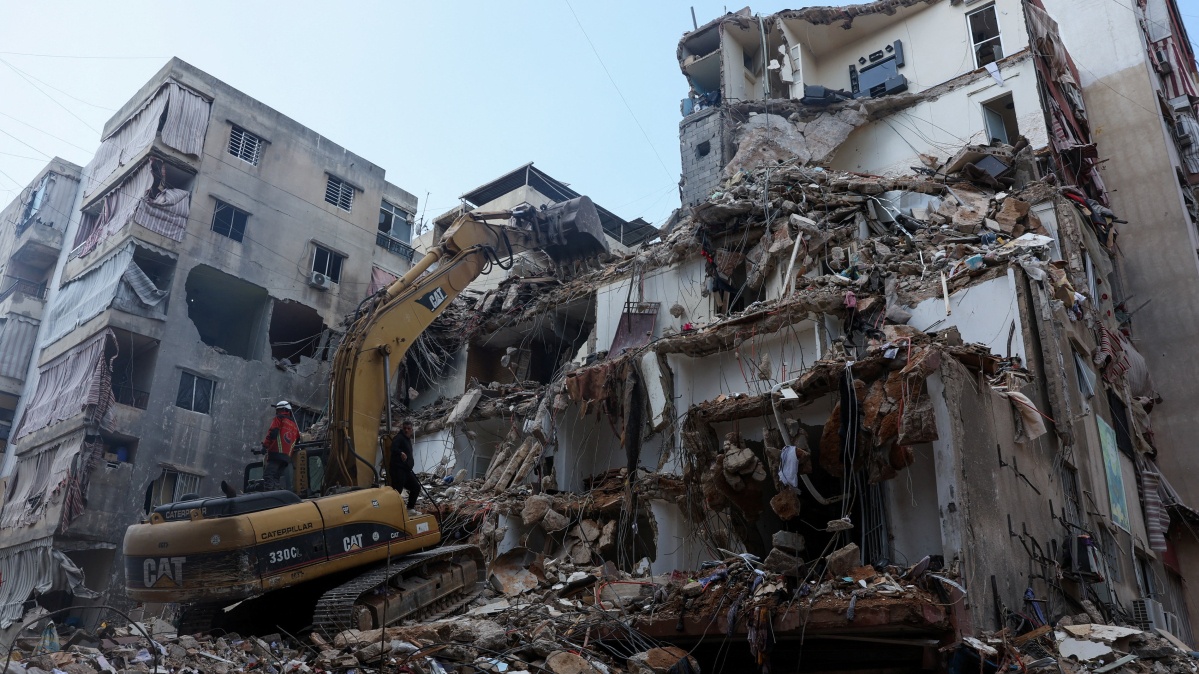
The talks come just hours after Israel carried out what Lebanese officials described as one of the deadliest strikes on Beirut in recent weeks, part of a widening air campaign that has intensified across Lebanon.
Washington has pushed both sides to step back from further escalation, amid fears the conflict could widen across the region.
What is driving the conflict?
The latest round of violence began after Hezbollah fired missiles at Israel on 2 March, shortly after wider regional tensions flared during the U.S.-Israeli confrontation with Iran.
Israel responded with intensified airstrikes and later expanded ground operations into southern Lebanon, ordering large-scale evacuations from areas it considers Hezbollah strongholds.
Since then, the fighting has been severe. Lebanese authorities say nearly 2,000 people have been killed, while Israel says Hezbollah rocket fire has killed at least two people.
The current war follows earlier clashes in 2024, when a U.S.-brokered deal attempted to limit Hezbollah’s military capabilities. Since then, Lebanon has tried - with limited success - to restrict the group’s weapons, while Israel has continued strikes on suspected Hezbollah targets.
Hezbollah, however, insists its arsenal is a deterrent and refuses calls to disarm, arguing it remains essential to Lebanon’s defence.
How the talks emerged
Diplomatic movement began after Lebanon’s president, Joseph Aoun, signalled willingness to open direct talks with Israel. Initially, Israel dismissed the idea as premature, saying Beirut lacked the ability to act decisively against Hezbollah.
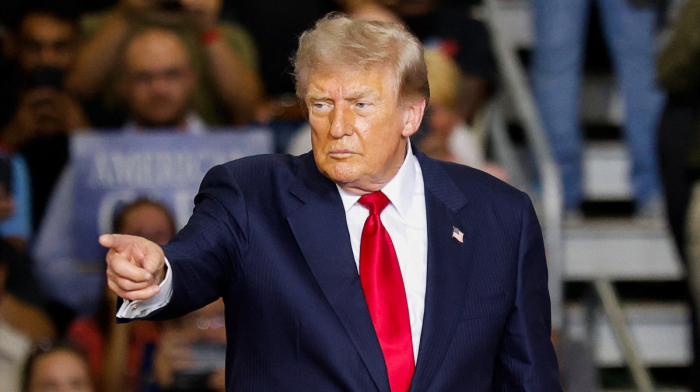
But the diplomatic picture shifted following a U.S.-Iran ceasefire agreement and renewed pressure from Washington for de-escalation. According to officials, Donald Trump urged Israeli Prime Minister Benjamin Netanyahu to scale back attacks on Hezbollah, paving the way for negotiations.
Shortly afterwards, Netanyahu confirmed Israel would engage in talks with Lebanon.
Who is attending?
The meeting is expected to bring together Israel’s ambassador to the United States, Yechiel Leiter, and Lebanon’s ambassador, Nada Hamadeh Moawad.
However, there is confusion over the scope and format of the discussions. Lebanese officials say the meeting will focus on establishing a ceasefire framework and preparing the ground for broader negotiations under U.S. mediation.
Israel’s embassy in Washington has described the process more ambitiously, calling it the start of “formal peace negotiations” and insisting it will not discuss a ceasefire with Hezbollah directly.
Key political figures, including senior negotiators on both sides, are not expected to attend this initial round.
Where Lebanon stands
Lebanon is entering the talks under pressure at home and abroad. Officials insist that a ceasefire must come first before any wider political negotiations can begin.
At the same time, Beirut is facing internal divisions over Hezbollah’s role. The Lebanese government has recently moved to restrict the group’s military activity, but Hezbollah remains deeply embedded in the country’s political and social fabric.
Any attempt to disarm it is widely seen as risky in a fragile state still shaped by the legacy of its 1975–90 civil war.
Have Israel and Lebanon spoken before?
Despite decades of hostility and no formal diplomatic relations, the two sides have held indirect and U.S.-brokered contacts in the past.
In 2022, talks helped establish a maritime border deal. More recently, limited discussions followed the 2024 conflict.
But direct political engagement of this kind remains rare, underscoring both the seriousness of the current escalation and the urgency of Washington’s diplomatic push.
What happens next?
Tuesday’s meeting is unlikely to produce a breakthrough on its own. Instead, it is being viewed as an initial step - testing whether both sides are willing to move from battlefield escalation towards structured negotiations.
With fighting still ongoing and positions far apart, the prospects for a lasting agreement remain uncertain.











What is your opinion on this topic?
Leave the first comment