The U.S. and Iran are meeting in Pakistan under a fragile ceasefire but remain deeply divided over Tehran’s nuclear programme, sanctions and regional security. With fighting in Lebanon escalating, the talks face mounting pressure.
The discussions, expected this weekend, are less about reaching a final agreement and more about whether a workable framework can be sustained.
What does the United States want to achieve in these talks?
At the centre of the U.S. position is a broader strategy of containment aimed at limiting Iran’s ability to project power across the Middle East, reducing the risk of renewed escalation and reinforcing the security of its regional partners, particularly Israel and Gulf allies.
Washington’s approach is shaped by three core priorities: preventing Iran from achieving nuclear breakout capability, constraining its military reach, and ensuring critical energy and trade routes remain stable and open.
In practical terms, this translates into demands for zero uranium enrichment in Iran’s nuclear programme, strict limits on ballistic missile development and a reduction in Iran’s support for allied armed groups in the region, including Hezbollah in Lebanon.
The United States is also seeking firm guarantees that the current conflict does not restart or expand, alongside continued freedom of navigation through key maritime routes, especially the Strait of Hormuz.
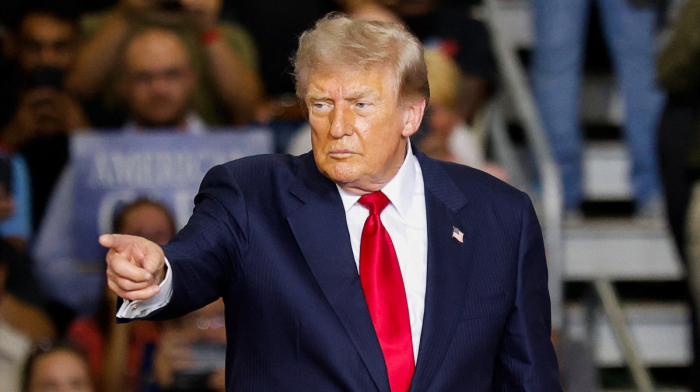
Senior U.S. figures, including Donald Trump, have signalled that American military assets will remain in the region as leverage until a permanent agreement is reached, underlining the conditional nature of Washington’s position.
The U.S. negotiating team is expected to include JD Vance, Steve Witkoff and Jared Kushner.
What is Iran actually asking for in return?
Iran, by contrast, is entering the talks with a focus on sovereignty, deterrence and economic relief after years of sanctions and conflict. Its approach is built on the belief that any agreement must preserve its strategic independence while easing the economic pressure accumulated under U.S. and international sanctions.
Tehran’s reported 10-point framework insists on recognition of its right to continue uranium enrichment - a long-standing red line it sees as central to its nuclear programme.
Iranian leaders, including Foreign Minister Abbas Araghchi and parliamentary speaker Mohammad Bagher Qalibaf, have consistently described enrichment as non-negotiable.
Alongside this, Iran is calling for the removal of U.S. and international sanctions, which it views as the essential economic “price” of any durable settlement.
The framework also includes demands for the withdrawal of U.S. combat forces from the Middle East and continued recognition of Iran’s role in regional security arrangements.
Tehran is also seeking an end to military strikes against Iran and its allied groups across the region, reflecting its broader aim of securing a more favourable security balance.
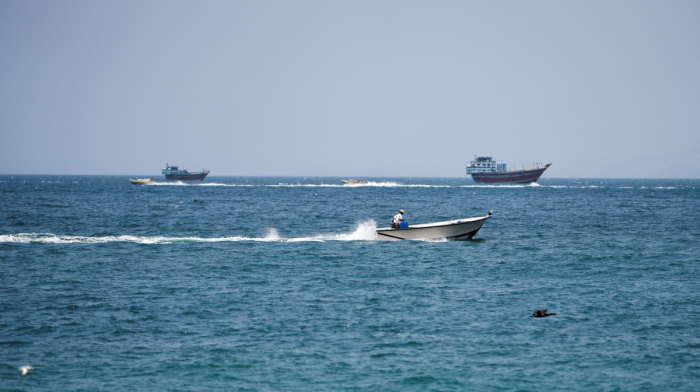
Economically and strategically, a central pillar of Iran’s position is the Strait of Hormuz, a vital waterway through which a significant share of global oil and gas flows.
The biggest sticking points
The sharpest divide remains over uranium enrichment. The United States is demanding a complete halt, while Iran insists it will not abandon what it sees as a sovereign right. Neither side has shown meaningful flexibility, making this the most entrenched obstacle to progress.
A second major area of contention is regional security, particularly the ongoing conflict involving Israel and Hezbollah in Lebanon. Israeli military operations in Lebanon have escalated tensions and resulted in significant casualties, further complicating an already volatile environment.
Iran has warned that continued strikes could jeopardise the ceasefire understanding, arguing it was intended to reduce violence across the wider region. The United States and Israel, however, maintain that Lebanon is not formally included in the ceasefire framework.
This disagreement has effectively introduced a parallel conflict dynamic into the negotiations — one that could easily derail diplomatic progress.
The Strait of Hormuz is another critical pressure point. Iran has previously used its influence over the narrow shipping lane as leverage during periods of confrontation, while Washington insists on uninterrupted global access to energy supplies.
Any suggestion of Iranian control or regulation of the waterway is viewed in the West as unacceptable, given its importance to global energy markets.
- Regional proxies and Israel’s role
This is where diplomacy becomes entangled with active conflict.
Israel’s ongoing military operations in Lebanon, particularly against Hezbollah, have caused heavy civilian casualties and further escalated regional tensions. Tehran has warned that continued strikes could derail the ceasefire framework entirely.
The U.S. and Israel maintain that Lebanon is not formally covered by the current ceasefire understanding. Iran disputes this interpretation, arguing the truce was intended to reduce violence across the region.
This disagreement has effectively created a parallel front that sits outside the main U.S.-Iran talks but directly influences them.
- A trust deficit may block any deal
Underlying all of these disputes is a deeper problem of trust. Iran is seeking guarantees that any agreement would not simply be followed by renewed sanctions or military pressure, while the United States is reluctant to offer binding assurances without major concessions in return.
Analysts describe this mutual suspicion as one of the most significant barriers to any lasting deal.
Why Pakistan is involved
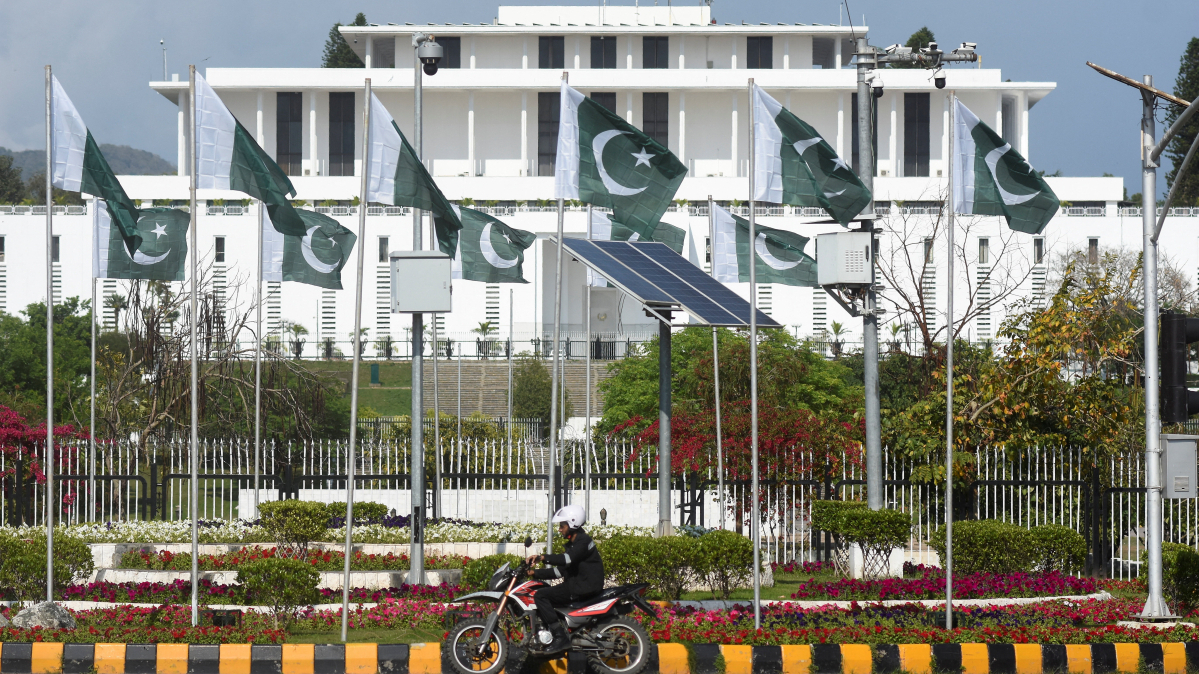
Pakistan’s role as mediator has become central to keeping the process alive. Islamabad has used its relationships with both Tehran and Washington, as well as its broader diplomatic ties with other regional powers, to facilitate dialogue and help sustain the ceasefire.
However, observers close to the process warn that the situation remains extremely fragile, particularly as fighting continues in Lebanon and both sides accuse each other of violating the spirit of the truce.
Despite the tension, there is recognition on both sides that neither escalation nor military pressure has delivered a decisive outcome. This has forced a return to diplomacy, albeit reluctantly.
For now, the talks in Islamabad are unlikely to produce a comprehensive settlement. Instead, they are expected to test whether the United States and Iran can narrow their differences enough to prevent a return to full-scale confrontation.












What is your opinion on this topic?
Leave the first comment