Peace only reliable guarantee of Armenia's security - Armenia
Peace is Armenia’s only reliable guarantee of security, Armenian Prime Minister Nikol Pashinyan has said in comments in Dublin, where he also...
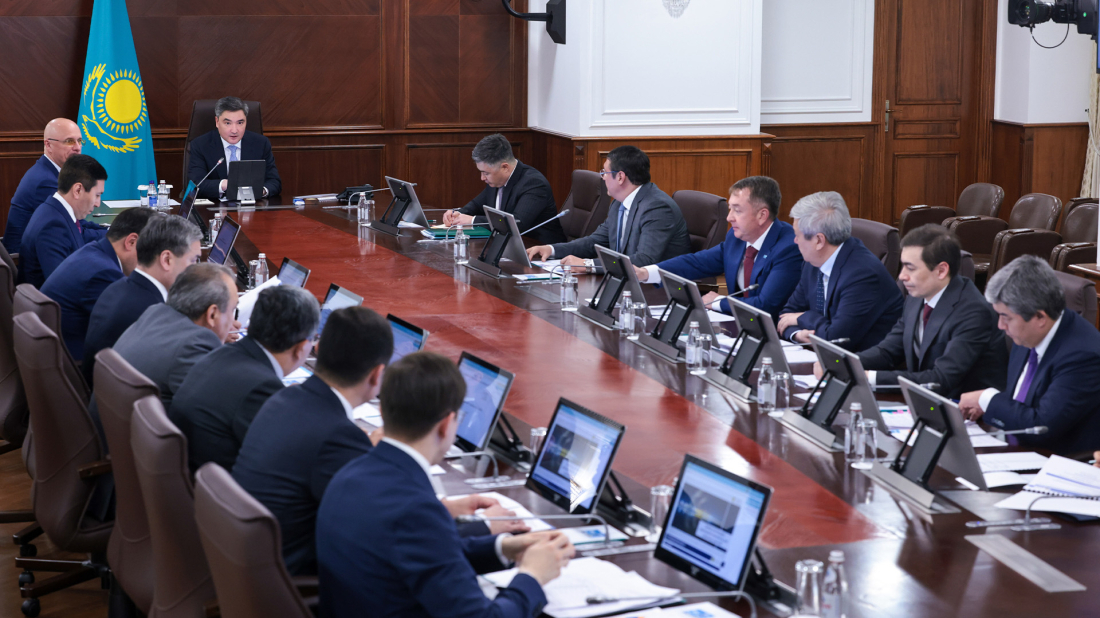
Kazakhstan is ramping up its commitment to renewable energy, with plans to launch 93 new projects totaling 2.3 GW by 2030, as part of a broader strategy to boost clean energy production and attract international investment.
Kazakhstan plans to commission 93 renewable energy projects with a total capacity of 2.3 GW by 2030, as part of its broader energy strategy through 2035, which targets at least 8.4 GW of clean energy. Prime Minister Olzhas Bektenov shared the plan during a recent Energy Council meeting.
Currently, the country operates 154 renewable facilities—covering wind, solar, hydro, and biogas—with over 3 GW of capacity. In 2024, they produced 7.6 billion kWh of electricity, and nine more projects are set to launch in 2025.
Deputy Energy Minister Sungat Yessimkhanov said Kazakhstan has already surpassed its earlier targets, with renewables reaching 6.4% of electricity generation by the end of 2024.
The government supports the sector with incentives like guaranteed purchases, indexed pricing, grid fee exemptions, and investment perks. Bektenov called for stronger support, transparent policies, scientific oversight, and fewer administrative barriers to attract private sector investment and keep up the momentum.

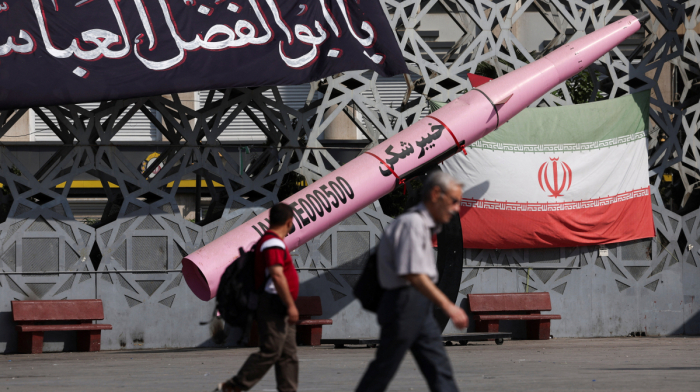
Iran’s Assembly of Experts has backed withdrawing from the Nuclear Non-Proliferation Treaty (NPT) and overhauling the country’s defence doctrine, calling both steps essential to national security and deterrence.
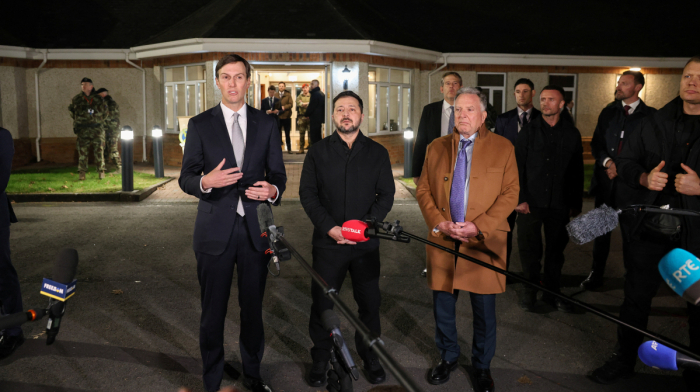
President Vladimir Putin agreed on Thursday to let European representatives join the next round of Ukraine peace talks while the United States continues to work towards what could become the largest prisoner exchange of the Russia-Ukraine war.
Microsoft struggled to restore its services on Friday after a major outage disrupted Outlook, Teams and Copilot across the United States and Asia-Pacific region.
Here's your AnewZ Technology Daily Brief for the 13th of November. This week, a Microsoft outage hit Australian agencies, Google restricted mapping data in South Korea, a lawsuit targeted advanced AI development, and Nvidia faced a leadership crisis after Jensen Huang's resignation.
Kazakhstan-linked hackers stole thousands of national security documents from Tajikistan, a cybersecurity company has said.
Peace is Armenia’s only reliable guarantee of security, Armenian Prime Minister Nikol Pashinyan has said in comments in Dublin, where he also commented that the Russian-led Collective Security Treaty Organisation (CSTO) alliance had failed to fulfil its obligations towards Yerevan.
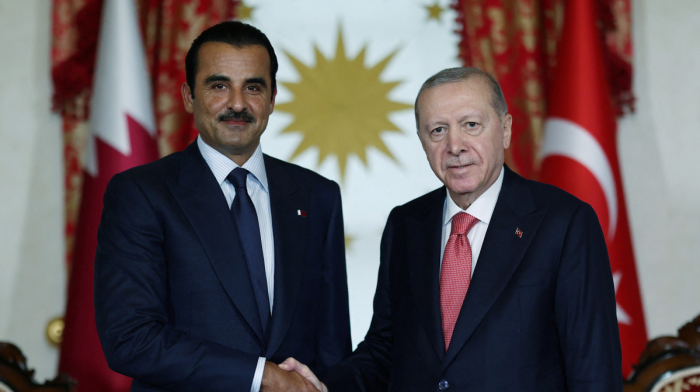
Türkiye and Qatar signed a mutual defence agreement on Friday, November 13, aimed at strengthening collective security and regional stability. The two countries pledged to take a united stance against any external armed attack on either nation.
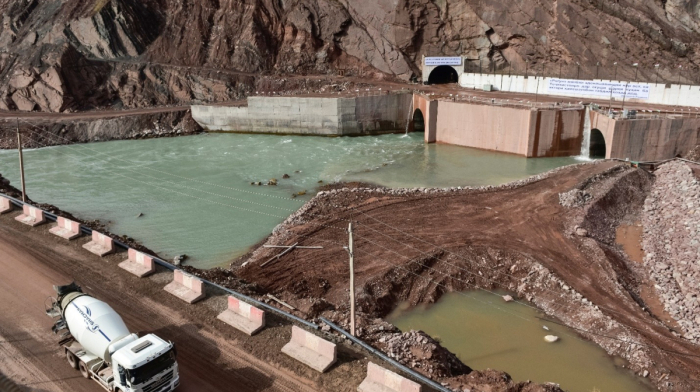
As Central Asia expands its hydropower infrastructure and high-rise construction, seismologists are examining whether large mountain reservoirs could influence earthquake activity. The question is particularly pressing in a region where major cities lie close to active tectonic faults.
As artificial intelligence (AI) becomes part of everyday life, languages with smaller speaker communities risk being left behind. Georgian, spoken by around four million people worldwide, is facing a digital challenge: making sure it is understood by the machines shaping how the world communicates.
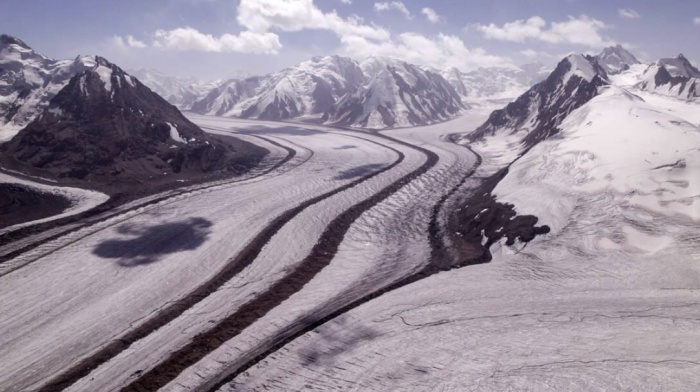
Tajikistan has urged the international community to increase funding to protect shrinking glaciers and help mountain communities adapt to climate change at the COP31 UN climate summit in Antalya, Türkiye.
You can download the AnewZ application from Play Store and the App Store.
What is your opinion on this topic?
Leave the first comment