Investing in children means more than funding schools and hospitals. At a major international summit in Samarkand, Uzbekistan, leaders and experts called for a joined-up approach to healthcare, education and social protection to improve children's lives.
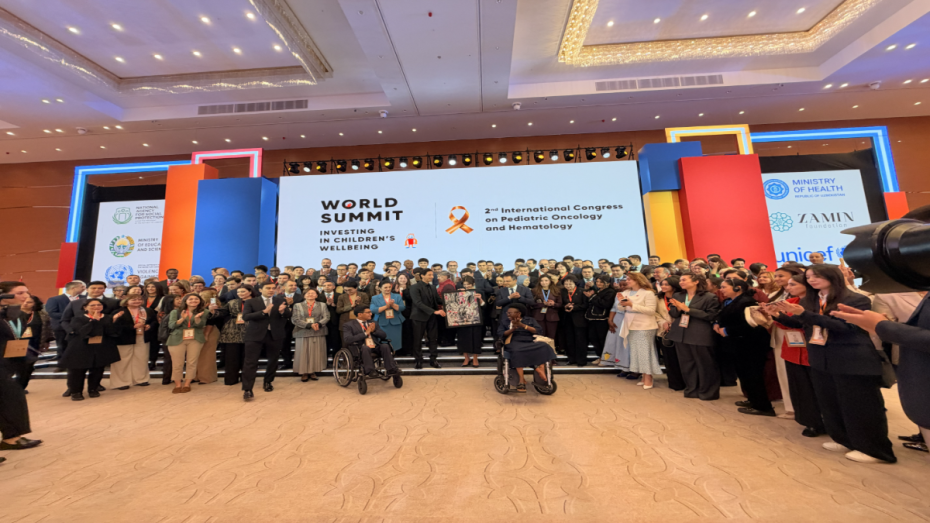
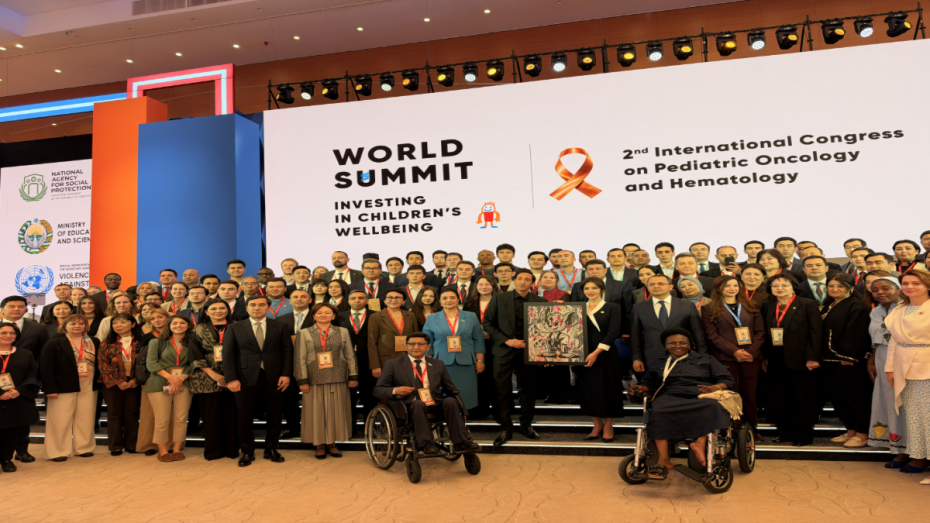
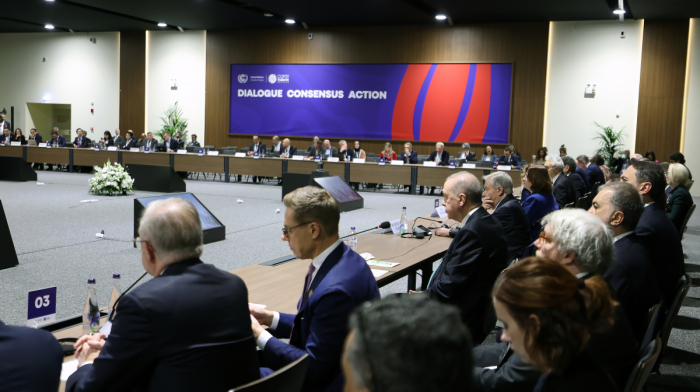
More than 600 participants from over 100 countries gathered at the World Summit on Investing in Children’s Wellbeing to explore how healthcare, education, social protection, family support and protection from violence can work together to shape a child’s future.
The summit was convened by Uzbekistan and co-hosted with the UN Special Representative of the Secretary-General on Violence Against Children, UNICEF, the World Health Organization and the World Bank.
At the heart of the discussions was a clear message: improving children's wellbeing requires more than individual programmes. Healthcare, education and social services must work together to provide effective, lasting support.
From commitments to results
The summit came amid growing concerns over uneven global progress on children’s wellbeing. UN officials warned that conflicts, poverty, climate-related shocks and declining international assistance are placing mounting pressure on vulnerable children.
In a message delivered by UN Resident Coordinator Sabine Machl, UN General Assembly President Khalilur Rahman urged governments to focus less on procedures and more on tangible improvements in children's lives.
He outlined four priorities: putting children before processes, designing services around children’s needs, reaching those furthest behind, and backing political commitments with funding, accountability and clear deadlines.
He also stressed that these commitments must be reflected in national budgets.
The scale of the challenge is stark. Only 36 per cent of assessable Sustainable Development Goal targets are currently on track or showing moderate progress.
Uzbekistan’s experience in focus
Uzbekistan used the summit to showcase reforms aimed at strengthening social protection, education and healthcare.
According to figures presented by the country, the number of types of social services available has increased from 26 to 140, while preschool coverage has risen from 27.7 per cent in 2017 to 78 per cent in 2026.
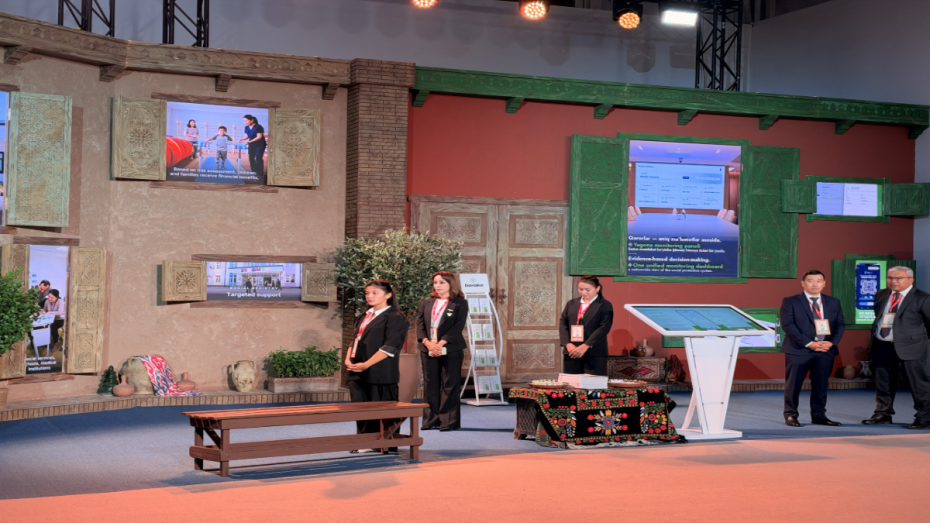
A network of 208 Inson social service centres and nearly 9,000 social workers now helps identify families in need and connect them with essential services.
Childhood cancer care also featured prominently in the discussions. The Second International Congress on Childhood Cancer, held alongside the summit, examined ways to improve early diagnosis, modern treatment, rehabilitation and children's quality of life following treatment.
According to summit materials, the time between suspected childhood cancer and the start of treatment in Uzbekistan has fallen from 130–160 days to 10–18 days, while one-year survival rates have risen from 37 per cent to 44.5 per cent.
“The World Through a Child’s Eye” exhibition
Beyond policy discussions and statistics, the summit highlighted the complex challenges children and families face.
A child recovering from cancer may also need psychological support, education and rehabilitation. A child at risk of violence may need medical, legal and social assistance. A family facing poverty may need several services at once.
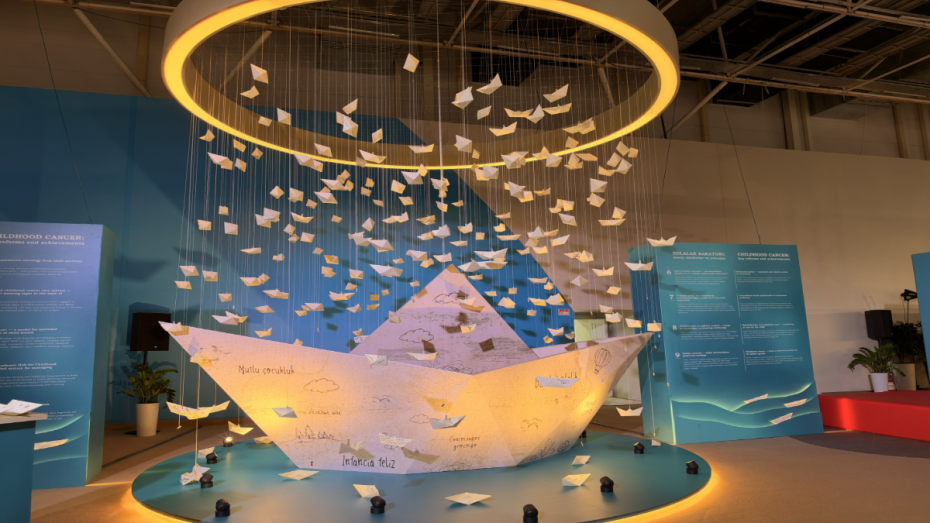
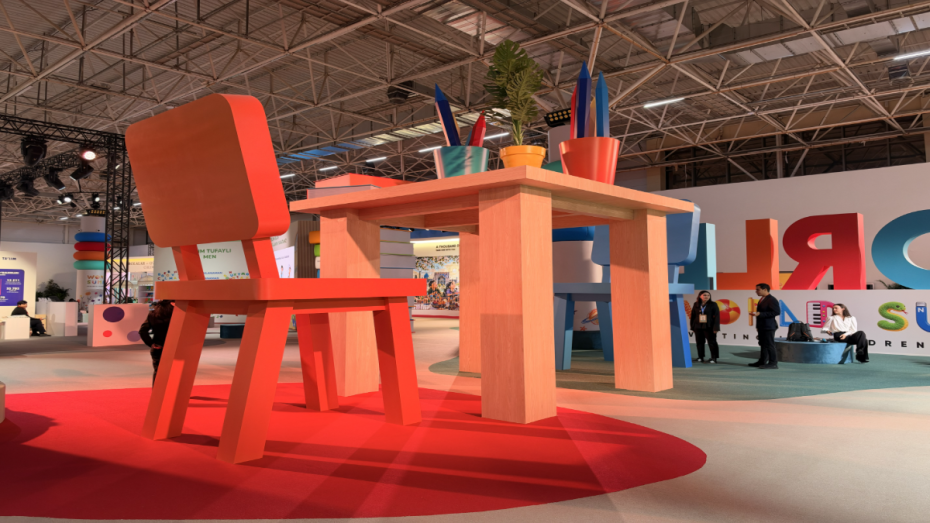
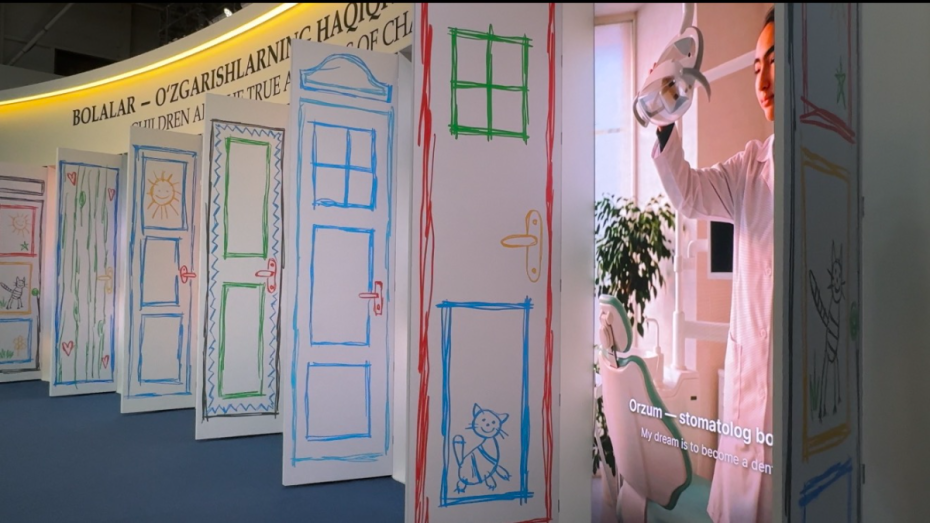
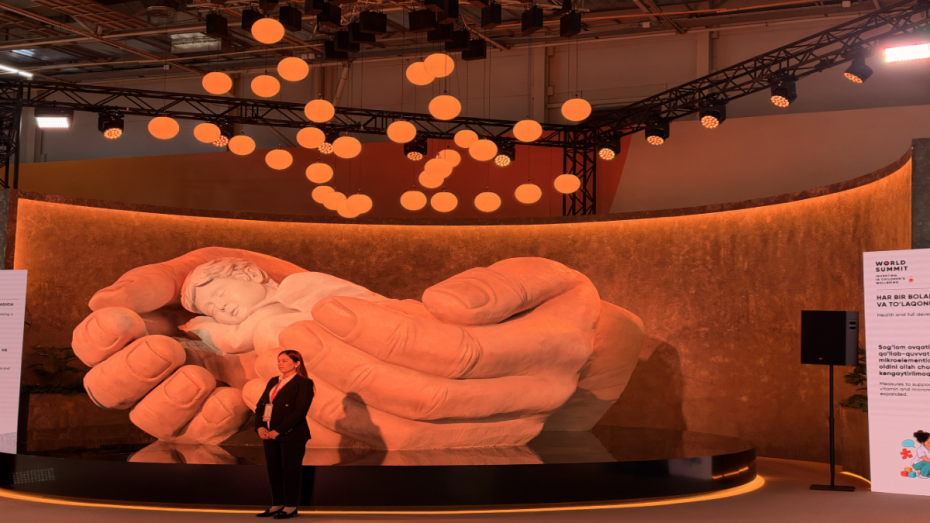
These interconnected needs were brought to life through the summit’s exhibition, “The World Through a Child’s Eyes”, which explored the different stages of childhood, from the crucial first 1,000 days of life to education, healthcare, protection and preparation for independent living.
A gathering beyond governments
The summit also brought together prominent international figures, reflecting the global importance of children's welfare.
Uzbekistan’s First Lady Ziroat Mirziyoyeva welcomed First Ladies and other leading representatives, including Türkiye’s Emine Erdoğan, Kyrgyzstan’s Aigul Japarova, Serbia’s Tamara Vučić, Lebanon’s Nehmat Aoun and Zimbabwe’s Auxillia Mnangagwa.
Azerbaijan was represented by Leyla Aliyeva, Vice-President of the Heydar Aliyev Foundation.
Hollywood in Samarkand
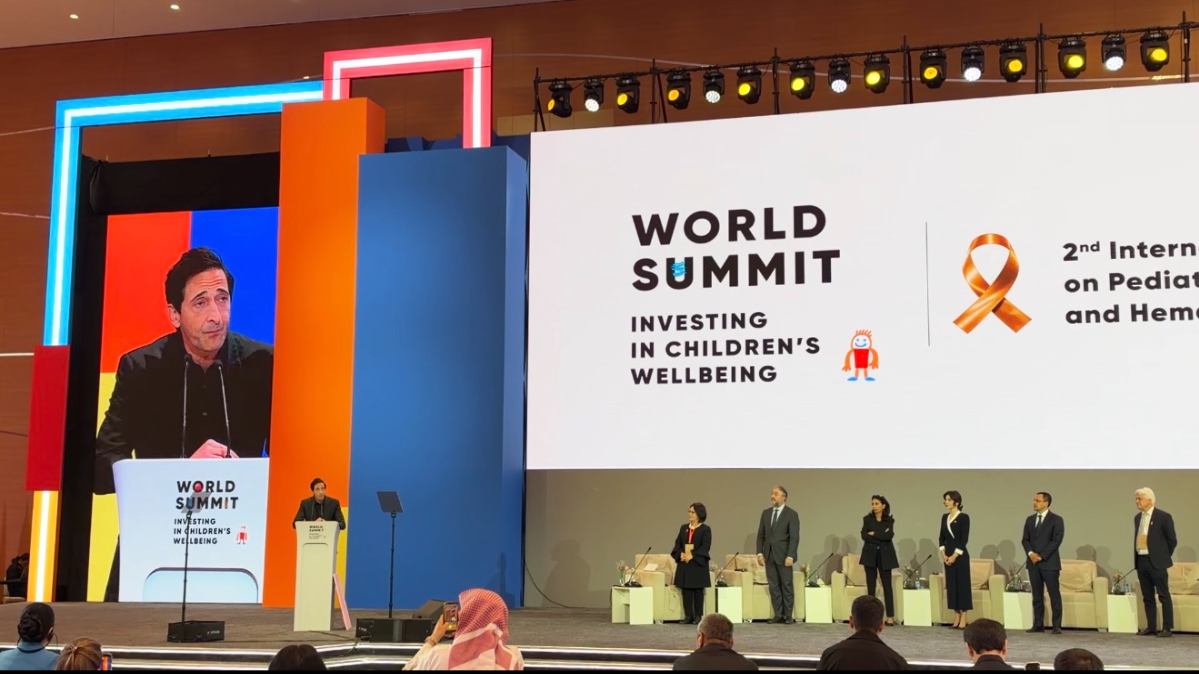
Hollywood actor Adrien Brody brought an unexpected touch of star power to the gathering in Samarkand.
The Oscar-winning star of The Pianist attended the summit and presented Shakhnoza Mirziyoyeva with a painting he had created himself.
The gesture added a personal and artistic dimension to an event largely focused on policy, investment and international cooperation.
What comes out of Samarkand?
The summit concluded with the adoption of the Samarkand Declaration on Investing in Children’s Wellbeing.
Rather than a single funding agreement, the declaration sets out shared priorities and practical approaches to improving children's lives.
But the real test lies ahead. Its impact will depend on whether the promises made in Samarkand lead to concrete policies, sustained funding and measurable improvements for children.
Read more:











What is your opinion on this topic?
Leave the first comment